《红楼梦》数字艺术展

Search documents
我的日常 你的诗与远方
Xin Lang Cai Jing· 2026-01-28 21:00
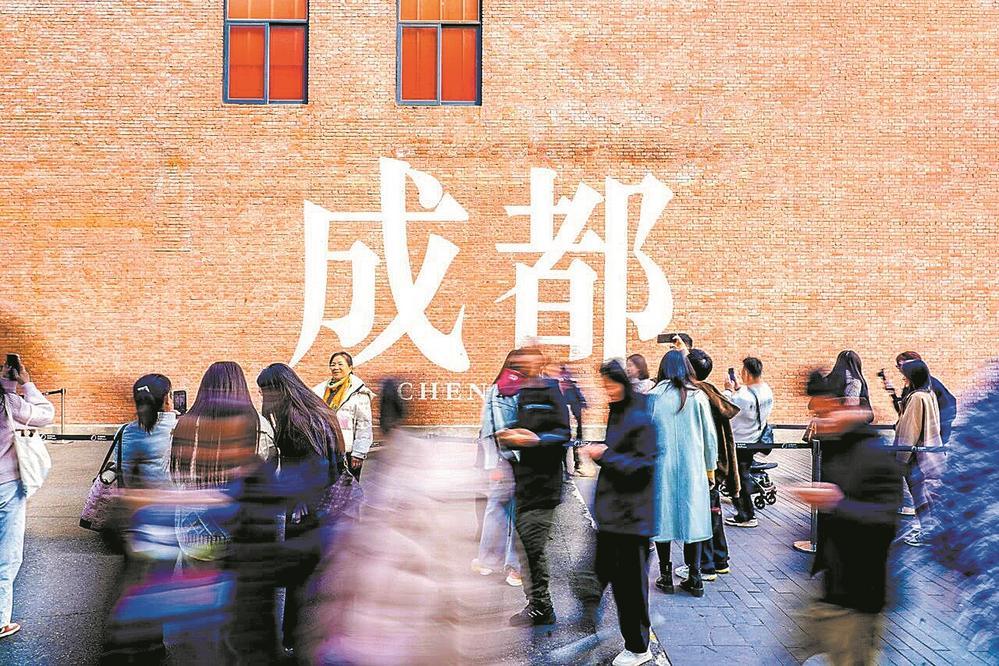
Core Insights - The article highlights the significant developments in the cultural and tourism sector in Sichuan, China, projecting a vibrant future for the industry by 2025, with a focus on innovative growth and cultural consumption [3][4][5]. Group 1: Cultural and Tourism Developments - Sichuan's cultural and tourism sector is set to witness major events in 2025, including the introduction of the first local regulations for ancient book protection and over 12,000 commercial performances [3]. - The retail sales in the cultural and leisure services category are expected to maintain double-digit growth, significantly outpacing the overall service retail growth [3]. - The integration of cultural and tourism resources is emphasized, with various regions exploring paths to deepen this integration, enhancing both industry and public service dimensions [8][9]. Group 2: Economic Impact and Consumer Behavior - The average spending of 1 yuan on concert tickets generates 4.8 yuan in surrounding consumption, indicating a robust economic chain linked to cultural events [5]. - In the first three quarters of the previous year, domestic travel reached 4.998 billion trips, reflecting an 18% year-on-year increase, while cultural and related industries saw a 7.9% revenue growth [5][6]. - The shift from material satisfaction to spiritual cultural consumption is noted as a key trend, showcasing the diverse vitality of the consumer market [3]. Group 3: Innovation and New Business Models - The rapid success of the Shanghai Lego Park, which welcomed over one million visitors in just four months, illustrates the potential of innovative and immersive experiences in attracting tourists [9][10]. - New cultural experiences and business models are emerging, driven by technology and creativity, which are reshaping the tourism landscape and enhancing consumer engagement [10][11]. - The cultural tourism sector is increasingly recognized for its role in economic development and improving quality of life, with a call for further integration of cultural values into economic strategies [10].

文化新观察·年度文化亮点丨文旅产业加速蝶变
Xin Hua Wang· 2025-12-29 11:04
Core Viewpoint - The cultural and tourism industry in China is undergoing a significant transformation, with a focus on deep integration of culture and tourism to enhance economic growth and social development [4][8][17]. Group 1: Cultural and Tourism Development - Huanggang Village in Guizhou has been recognized as a "Best Tourism Village" by the UN, leading to a surge in visitors, with 6.14 million tourists and a revenue of 6.403 billion yuan in 2023, marking a 14.97% and 10.26% increase respectively [4][3]. - The national statistics indicate a double-digit growth in retail sales of cultural and recreational services, reflecting a robust demand for service consumption [4][8]. - The integration of cultural heritage and tourism is becoming a key driver for local economies, as seen in regions like Ningxia and Liaoning, where cultural events and tourism routes are being developed to attract visitors [5][7]. Group 2: Economic Impact and Employment - The cultural tourism sector is becoming a major source of employment and entrepreneurship for young people, with significant visitor numbers and spending reported in regions like Xixia District, which welcomed 15.608 million tourists and generated 11.1 billion yuan in revenue [7][5]. - The report from the State Council highlights the mutual benefits of cultural and tourism industries, contributing to the optimization of industrial structures and creating new growth points for the national economy [8][9]. Group 3: Innovation and New Business Models - The rapid growth of new cultural and tourism experiences, such as the LEGO Land in Shanghai, which attracted over 1 million visitors in just four months, showcases the importance of innovative and immersive experiences in attracting tourists [14][16]. - The development of new cultural experiences and digital engagement is reshaping the tourism landscape, with a focus on personalized and diverse cultural leisure resources [16][12]. - The emphasis on cultural empowerment in economic development aims to foster new business models and growth points, enhancing the overall quality of life for citizens [17][13].