
人文经济

Search documents
发展人文经济 拓展消费新空间
Sou Hu Cai Jing· 2026-02-18 23:13
Core Insights - Consumption is a crucial engine for economic growth in China, and effectively stimulating domestic demand is vital for high-quality development during the 14th Five-Year Plan period [1] - The concept of "humanistic economics" proposed by President Xi Jinping emphasizes the deep integration of culture and economy, suggesting that cultural development can drive economic advancement [1] Group 1: Humanistic Economic Innovation - The current consumption market in China is shifting from "availability" to "quality," necessitating high-quality supply driven by cultural values [2] - Humanistic economics leverages traditional cultural resources and modern aesthetics to create innovative products and services, enhancing competitiveness and expanding high-quality consumption areas [2] - For instance, Zhejiang province has utilized digital technology and modern aesthetics to revitalize traditional crafts, resulting in culturally rich and aesthetically pleasing products [2] Group 2: Deepening Consumer Engagement - Humanistic economics aims to integrate profound cultural values into economic activities, transforming products and services into carriers of culture and emotion [3] - This transformation elevates consumer behavior from mere material acquisition to fulfilling spiritual and cultural needs, thereby enhancing purchasing intentions [3] - An example from Henan province illustrates how cultural products and educational experiences can foster deep emotional connections with national culture, stimulating new growth in cultural tourism consumption [3] Group 3: Creating Immersive Consumption Spaces - The construction of consumption spaces is essential for enhancing consumer experience and engagement, with humanistic economics focusing on infusing cultural themes into commercial environments [4] - Innovative technologies like AR and immersive experiences can create compelling cultural consumption scenarios that encourage longer consumer engagement and repeat visits [4] - Future developments should leverage cutting-edge technologies to transform commercial spaces into immersive cultural experience centers, enhancing their attractiveness [4] Group 4: Establishing a Supportive Cultural Ecosystem - A robust institutional framework is necessary to support the humanistic economy, including effective regulations, market oversight, and active industry organizations [5] - The development of a healthy cultural consumption environment is crucial for sustaining consumer engagement and protecting the rights of creators and consumers [6] - Henan's approach to cultural tourism development highlights the importance of regulatory improvements and promoting civilized tourism to ensure sustainable growth in cultural consumption [6]
人文经济激活消费新动能丨古韵与新潮交融——千年古都大同焕新记
Xin Hua She· 2026-02-10 23:07
Core Viewpoint - The ancient city of Datong is revitalizing its cultural economy through innovative dialogues between tradition and modernity, enhancing tourism and cultural experiences [1] Group 1: Cultural and Tourism Development - Datong's ancient city wall features a grand light display that integrates art and technology, showcasing themes like "Red Memory" and "Traditional Craftsmanship" through 3D reliefs and digital interactions [1] - During the New Year holiday, Datong's eight key monitored scenic spots received over 150,000 visitors, marking a year-on-year increase of 248.82% [1] - The upcoming Spring Festival will further transform historical cultural heritage into immersive holiday experiences, enriching the cultural tourism market [1] Group 2: Innovative Exhibitions and Experiences - The "Exploring Yungang" immersive digital light exhibition at the Yungang Grottoes has attracted approximately 27,000 visitors since its launch on July 6, 2025 [2] - Datong is actively developing its "Ice and Snow+" economy, with various winter sports and cultural events contributing to a projected revenue of about 2.233 million yuan from ten ice and snow tourism sites by 2025 [4] - The Southeast Yi historical and cultural district offers visitors unique experiences with local crafts and trendy food options, blending traditional and modern elements [4][5] Group 3: Performance and Engagement - The immersive performance "Dreaming Datong" allows audiences to experience the historical richness of the Northern Wei period, having attracted over 100,000 viewers in just over six months [7] - The integration of traditional performances with modern storytelling techniques enhances visitor engagement and promotes local cultural tourism [7]


以人文经济引领历史经典产业高质量发展
Xin Lang Cai Jing· 2026-02-01 22:24
Core Insights - The high-quality development of historical classic industries in Sichuan is centered around the creative transformation of deep cultural values, integrating cultural, social, and economic values for mutual enhancement [1][2][3] Group 1: Historical Classic Industries Definition and Importance - Historical classic industries are defined as those that carry deep historical culture, unique craftsmanship, and regional characteristics, with a focus on consumer goods [2] - The core asset of historical classic industries is their rich "cultural capital," which includes unique craftsmanship, brand stories, and emotional connections with consumers [3] Group 2: Sichuan's Unique Advantages - Sichuan has a rich and distinctive industrial lineage, with notable sectors such as the liquor industry represented by Sichuan liquor, and textile industries like Shu brocade and Shu embroidery, which embody the region's cultural heritage [4] - These industries serve as tangible expressions of Sichuan's culture and valuable economic resources, with high-quality development aimed at converting static cultural capital into dynamic economic value [4] Group 3: Opportunities and Challenges - The historical classic industries in Sichuan are experiencing a revival driven by strong cultural capital, emotional connections with consumers, and an improving policy environment [5] - However, there are challenges in transforming cultural narratives into engaging experiences, forming innovative ecosystems, and diversifying value creation models [6][7] Group 4: Development Strategies for the 14th Five-Year Plan - To achieve high-quality development, Sichuan must focus on deepening cultural value, upgrading brand narratives, and creating modern brand storytelling through various media [8] - Building a talent development framework that includes a diverse range of professionals is essential for fostering innovation and bridging traditional craftsmanship with modern design [9] - Expanding experiential boundaries and promoting deep integration of industries through immersive cultural experiences can enhance consumer engagement and value creation [10] - Strengthening the connection to local roots and ensuring sustainable development through community involvement and ecological preservation is crucial for the long-term success of these industries [11]
从“买商品”到“品文化” 更多中国品牌“圈粉”世界
Xin Hua She· 2026-01-31 11:32
Core Insights - The "Guochao" trend, which embodies Chinese cultural elements, is gaining global popularity, injecting new vitality into consumer markets and creating new business models and services [1][2][3] Group 1: Cultural Integration in Products - Products inspired by traditional Chinese culture, such as the "Ten Miles of Red Makeup" and "Thousand Angle Lantern," are successfully selling in over 100 countries, with the brand "Pinku" leading the 3D metal assembly toy market with over 90% global market share [2] - The cultural attributes of products enhance their appeal, providing consumers with aesthetic and emotional satisfaction, as noted by industry leaders [2][3] Group 2: Innovation and Consumer Experience - Chinese companies are improving design and craftsmanship to meet diverse international market demands, with some toy manufacturers reducing product development cycles from 15 days to 3 days using 3D printing technology [4] - The World Intellectual Property Organization's 2025 Global Innovation Index Report indicates that China has entered the top ten globally, reflecting the synergy of cultural creativity and efficient supply chains [4] Group 3: Economic Growth and Trade - Despite global economic challenges, China has maintained growth in imports and exports with over 190 countries and regions, showcasing the strength of Chinese manufacturing and cultural influence [5] - The development of a robust cultural economy is supported by government policies aimed at sustainable growth, with provinces like Zhejiang and Guangdong implementing specific plans to enhance consumer spending and domestic demand [6] Group 4: Future Challenges and Opportunities - The cultural economy faces challenges such as the homogenization of cultural IP and difficulties in connecting cultural resources with industrial transformation [6] - Future competition will focus on brand ecosystems rather than just products, emphasizing the need for local companies to invest in R&D and effectively communicate their cultural narratives [6]
人文经济激活消费新动能丨从“买商品”到“品文化” 更多中国品牌“圈粉”世界
Xin Hua Wang· 2026-01-30 13:29
Core Insights - The article discusses the rise of Chinese brands globally, emphasizing the integration of cultural elements into products, which enhances their appeal and marketability [1][2][3]. Group 1: Cultural Integration and Market Trends - The "Guochao" trend reflects a growing interest in Chinese cultural elements, with products like stationery featuring traditional designs gaining popularity among international consumers [2]. - Chinese brands are increasingly recognized for their cultural depth and innovative concepts, leading to significant sales growth in over 100 countries [2][3]. - The incorporation of cultural attributes into products not only enhances their aesthetic value but also aligns with global consumer demands for diverse and sustainable living [3]. Group 2: Innovation and Economic Impact - Chinese companies are leveraging technology, such as 3D printing, to shorten product development cycles and improve design, thereby enhancing their competitive edge [4]. - The World Intellectual Property Organization's report indicates that China has entered the top ten in global innovation rankings, highlighting the importance of cultural and creative industries in driving economic growth [4]. - Despite global economic challenges, China's trade with over 190 countries continues to grow, supported by robust infrastructure like the China-Europe Railway Express [5]. Group 3: Policy Support and Future Challenges - Recent policies aimed at promoting high-quality cultural development are fostering sustainable growth in the cultural economy, with provinces like Zhejiang and Guangdong implementing specific plans [6]. - Challenges such as cultural IP homogenization and the need for better integration of cultural resources into industry remain significant [6]. - The future of global competition will focus on brand ecosystems rather than just product offerings, necessitating increased investment in research and development by local companies [6].
人文经济激活消费新动能|在内蒙古嘎鲁图感受奶皮子的“七十二变”
Xin Hua Wang· 2026-01-29 09:43
Core Insights - The article highlights the transformation of Galu Tu, a town in Inner Mongolia, into a vibrant hub for dairy products, particularly focusing on the innovative use of "milk skin" in various culinary applications [1][2][3] Group 1: Industry Development - Galu Tu has initiated a dairy industry revitalization project since 2022, which includes planting over 4,000 acres of early-maturing oats and silage corn to provide stable and high-quality feed for more than 1,300 local herders [2] - The annual milk production in Galu Tu has surged from 817,000 kilograms in 2022 to nearly 5 million kilograms, ensuring a reliable supply of quality milk for the milk skin industry [2] - Modern dairy processing plants have been established, combining traditional craftsmanship with standardized production to enhance capacity and quality [2] Group 2: Innovation and Market Expansion - Galu Tu has embraced new consumer trends by hosting innovation competitions and selecting outstanding dairy artisans, turning the town into a "flavor laboratory" for diverse milk skin culinary creations [3] - Innovative products such as milk skin hot pot, coffee, pizza, and hawthorn-wrapped milk skin have emerged, meeting the modern consumer's demand for diverse and trendy dining options [3] - The integration of traditional dairy products with modern lifestyles has significantly increased the value of milk skin, benefiting local herders economically [3] Group 3: Future Goals - The local government aims to strengthen the entire dairy industry chain, focusing on cattle breeding, milk processing, milk skin sales, cultural tourism, and technological research [4] - The goal is to expand the market reach of Galu Tu's dairy products and ensure that more herders benefit from the industry's growth [4]
人文经济激活消费新动能丨市井书店漫游记
Xin Hua Wang· 2026-01-28 10:27
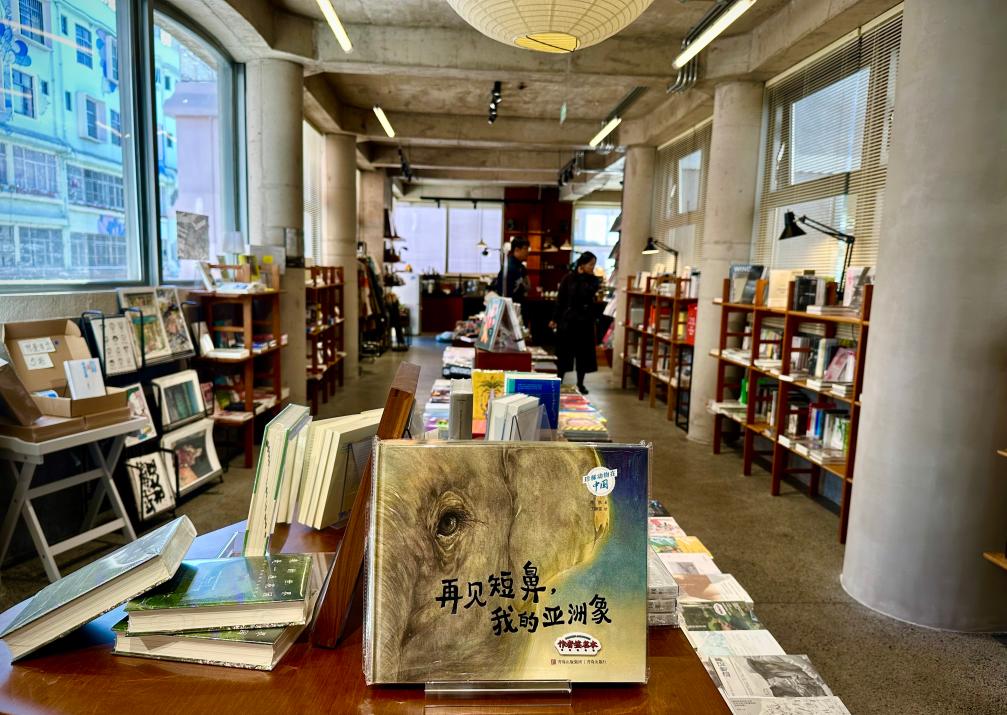
Core Viewpoint - The article highlights the emergence of unique bookstores in Yunnan, which are integrating into local communities and cultural landscapes, moving away from standardized commercial spaces to create more authentic and engaging environments for readers and visitors [1][3][5]. Group 1: Bookstore Characteristics - Dolphin Ade bookstore is described as a multi-functional space that combines a bookstore, art shop, exhibition area, and café, aligning with the atmosphere of the nearby flower market [3]. - Other similar "embedded" bookstores in Yunnan include Qilin Bookstore in a vegetable market and Pioneer Bookstore in the mountains, showcasing a trend of bookstores integrating into everyday life [3][5]. Group 2: Cultural and Community Impact - These bookstores provide a space for people to relax, read, and enjoy the sensory experiences of coffee, books, and local produce, blurring the lines between consumption and culture [5]. - The Oriental Bookstore, located in a bustling area, serves as a cultural landmark, attracting various visitors who seek a quiet place to read amidst the noise of the city [5][7]. Group 3: Reading Trends and Market Dynamics - Despite the rise of digital information, there remains a stable demand for physical books and reading spaces, as observed by industry professionals [7]. - Yunnan has been expanding new reading spaces, including 24-hour city libraries and community reading rooms, to cater to the increasing number of travelers seeking reading opportunities [7].
广东省政协委员陈筱棠:聚焦年轻消费群体,促进文旅市场繁荣
Sou Hu Cai Jing· 2026-01-25 13:51
Core Insights - The humanistic economy, as a new form of deep integration between culture and economy, is becoming a core engine for high-quality regional development [1] - The Guangdong-Hong Kong-Macao Greater Bay Area, known for its high level of openness and economic vitality, possesses unique advantages for developing a world-class humanistic economy due to its diverse cultural resources and large consumer base [1] Group 1: Cultural Consumption Trends - During the 2026 Guangdong Two Sessions, topics such as "humanistic economy" and "cultural consumption" gained significant attention from representatives and committee members [3] - Cultural consumption in the Greater Bay Area is transitioning from traditional sightseeing to deep experiential engagement, yet challenges such as insufficient resource integration, lack of innovation in business models, and weak brand influence remain [3] Group 2: Recommendations for Development - To establish the Greater Bay Area as an international consumption center and world-class tourism destination, systematic planning is necessary to unlock development potential [3] - There are discrepancies in cultural and tourism industry standards and management rules among the three regions, leading to insufficient inter-city collaboration and pronounced homogenization in competition [3] - Suggestions include exploring the core of Lingnan culture, developing intangible cultural heritage experiences, and revitalizing industrial heritage by transforming old factories and warehouses into creative parks and performance spaces [3][4] Group 3: Focus on Young Consumers - Emphasis on developing emerging business models such as premiere economy, national trend economy, and CityWalk, while promoting the integration of "culture + technology" to create unique cultural IPs [4] - Targeting young consumer groups is essential for boosting cultural and tourism consumption, with recommendations for employing youthful operational teams and utilizing social media and short video platforms for marketing [4] - Development of cultural tourism products that meet the needs of younger demographics, such as cultural heritage tours and trendy markets, is crucial for enhancing consumer repurchase rates [4]

解码江苏人文经济|常州:绘制智造名城的人文经济新图景
Xin Lang Cai Jing· 2026-01-24 14:28
Core Perspective - The article emphasizes the integration of humanistic economics into the modernization of cities in China, highlighting its role in sustainable urban development and the importance of a people-centered approach [1][2]. Group 1: Historical and Cultural Significance - Changzhou has a rich historical and cultural background, which has significantly influenced its economic development and identity over 2,500 years [2][3]. - The city is recognized as a birthplace of modern national industry in China, with notable enterprises emerging during the late Qing Dynasty, showcasing a spirit of innovation and self-reliance [3]. Group 2: Economic Development and Innovation - Changzhou's economic model, referred to as the "Changzhou Road," illustrates a successful transition from traditional industries to modern manufacturing, creating a "rare economic miracle" [3]. - The city has consistently prioritized manufacturing and quality, establishing a robust industrial system that supports its economic growth [6][7]. Group 3: Cultural and Moral Values - The unique spirit of Changzhou, characterized by innovation, pragmatism, and moral integrity, underpins its socio-economic development [4][6]. - The "Moral Lecture Hall" initiative promotes ethical values and community engagement, contributing to the city's moral fabric and social cohesion [8][9]. Group 4: Urban Development Strategies - Changzhou focuses on enhancing its urban brand and cultural identity, utilizing local resources to foster a distinctive humanistic economy [10][12]. - The revitalization of historical areas, such as the Sanbao Street, aims to blend cultural heritage with modern economic activities, attracting significant foot traffic and enhancing the night economy [12]. Group 5: Talent Attraction and Ecosystem - The city is building a sustainable talent ecosystem by promoting cultural recognition and reducing cultural adaptation costs for newcomers, thereby enhancing its attractiveness to talent [14].

新华时评:扎根人文沃土 催开经济“新枝”
Xin Hua She· 2026-01-23 03:26
Group 1 - The article highlights the emergence of unique cultural experiences during the Spring Festival, which enhance consumer engagement and stimulate economic activity [1] - Cultural products and new business models that blend traditional elements with modern aesthetics have become significant drivers of economic growth, as evidenced by the success of various cultural initiatives and events [1] - The need to optimize cultural supply and expand cultural consumption is emphasized, focusing on the creative transformation and innovative development of traditional culture to connect with contemporary life [1] Group 2 - The integration of cultural elements into various industries is crucial for fostering economic growth, as seen in the rise of the "Guochao" fashion market and the development of themed amusement parks [2] - The article discusses the importance of breaking down industry barriers to promote deep interaction between culture and diverse business sectors, leading to new cultural landscapes and economic momentum [2] - The infusion of cultural factors into traditional industries is expected to yield high-quality development and showcase a thriving interaction between culture and economy [2]