《荒野求生》

Search documents
谁在新闻里追更《荒野求生》……
Xin Jing Bao· 2025-12-03 12:30
Core Viewpoint - The article discusses the intersection of media coverage and reality TV, particularly focusing on the "Wilderness Survival" show and its impact on public perception and media dynamics [1][3]. Group 1: Media Influence on Reality TV - The "Wilderness Survival" show has gained immense popularity, with over 11 billion views by November 2025, showcasing its significant impact on both the location and participants involved [2]. - Media has transformed from merely reporting entertainment content to actively reshaping narratives around reality TV, creating a continuous stream of news that engages a wider audience [3][6]. Group 2: Audience Engagement and Media Strategy - The media's focus on popular reality shows is driven by the need to connect with younger audiences, as these shows represent a direct pathway to engage with current cultural conversations [9]. - The efficiency of reporting on trending topics is highlighted, as it offers a higher return on investment in terms of audience engagement compared to traditional investigative journalism [11][12]. Group 3: Blurring Lines Between News and Entertainment - The increasing prevalence of entertainment content in news raises questions about the criteria for newsworthiness, challenging the distinction between public interest information and trending topics [14][16]. - The shift towards entertainment-focused reporting may lead to a reduction in attention given to more complex societal issues, potentially diminishing the quality of public discourse [16].


挨饿能赢50万?“荒野求生”是风口还是风险
3 6 Ke· 2025-12-03 09:21
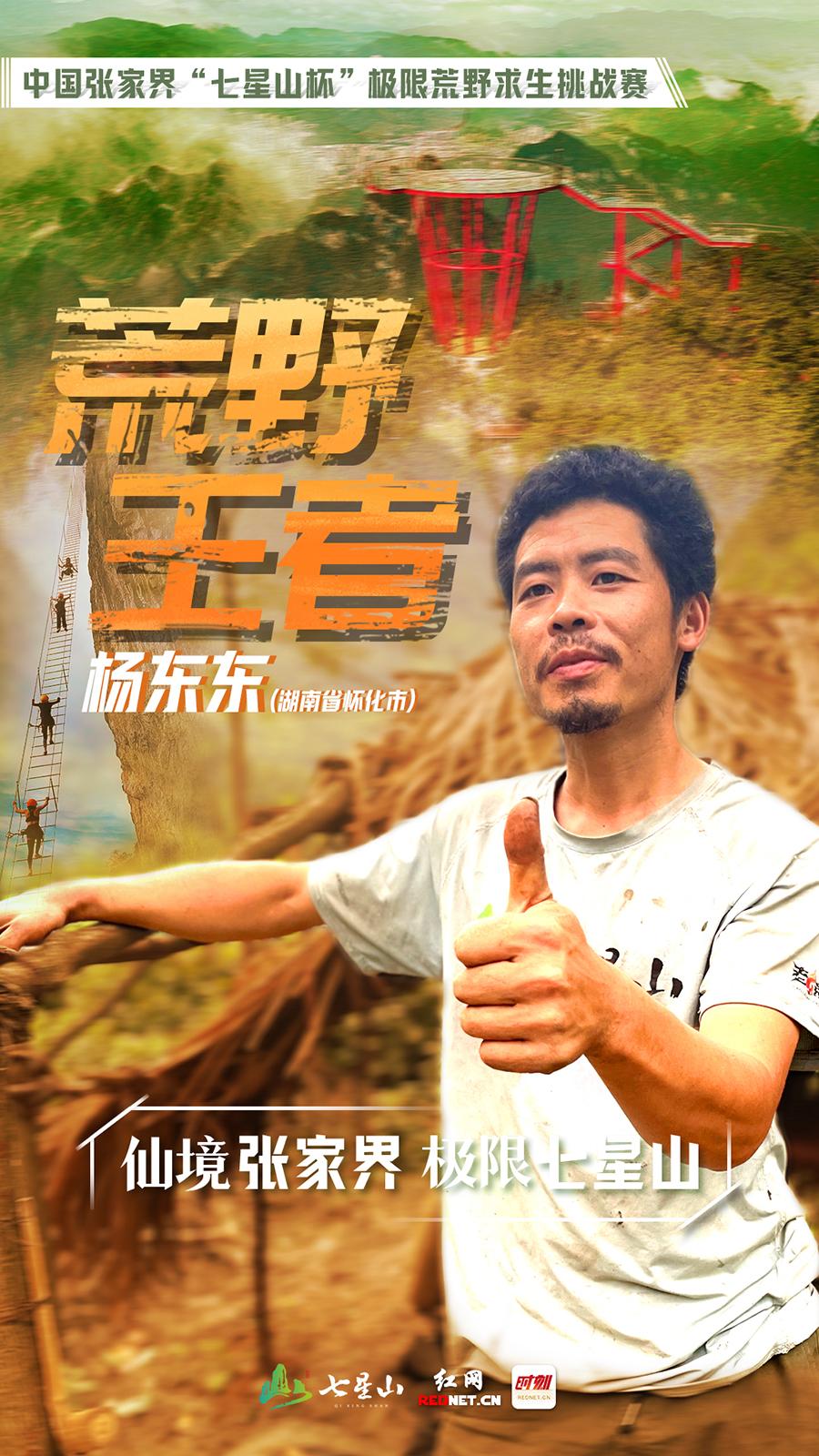
Core Viewpoint - The "Qixing Mountain Cup" extreme wilderness survival challenge in Zhangjiajie, China, has gained significant popularity, attracting attention on social media and generating substantial viewership, with over 5 billion views online [2][6][9]. Group 1: Event Overview - The "Qixing Mountain Cup" was initiated to differentiate the Qixing Mountain scenic area in a competitive tourism market, allowing participants to survive with minimal resources [3]. - The first season concluded with a champion, Yang Dongdong, who won a prize of 100,000 yuan after surviving on the mountain [3]. - The second season quickly followed, with the event gaining traction on social media platforms, leading to high engagement and viewership [6]. Group 2: Sponsorship and Economic Impact - The event has attracted sponsorship from outdoor brands, such as Camel, which saw a significant increase in product sales during the event [6]. - The scenic area has benefited from increased visibility and tourism, with plans for future seasons and potential prize increases to 500,000 yuan [9]. - The success of the event has inspired similar wilderness survival competitions across China, indicating a growing market for such events [9]. Group 3: Challenges and Limitations - The wilderness survival events face challenges due to safety regulations and the need to operate within environmental protections, limiting the authenticity of the survival experience [16]. - The high-risk nature of these competitions raises concerns about participant safety and the potential for negative consequences if accidents occur [16]. - The current state of wildlife protection in China restricts hunting, which impacts the survival conditions for participants [16].