《象棋的故事》

Search documents
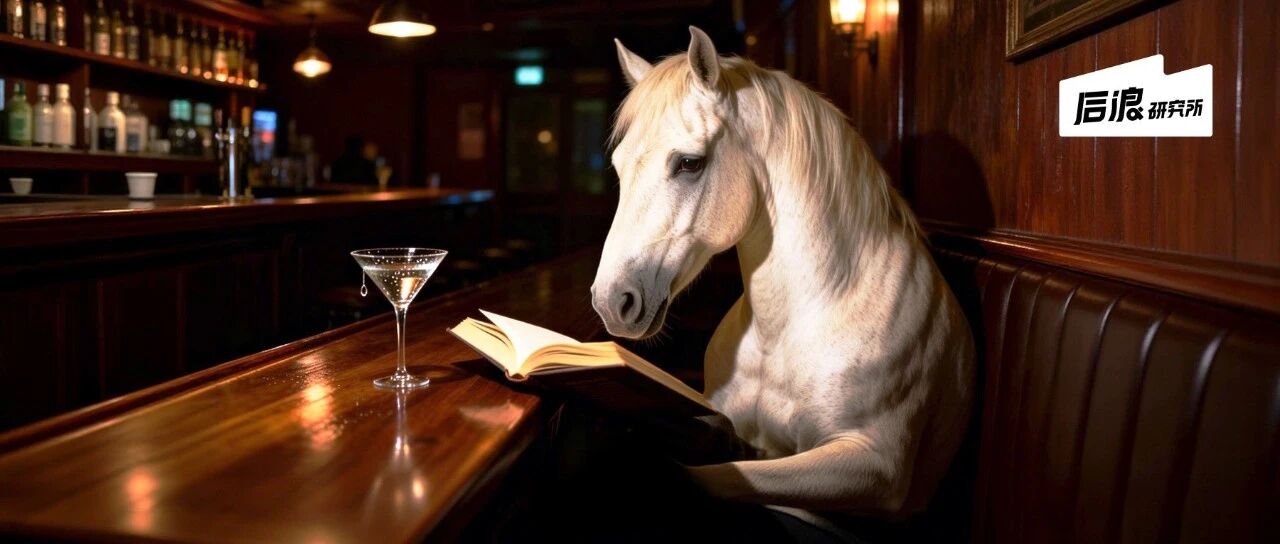
这是一份「含马量」极高的书单,赞美伟大的马
后浪研究所· 2026-02-11 08:22
Group 1 - The article emphasizes the significance of horses in civilization, highlighting their role in connecting war, trade, and power throughout history [9][11] - It presents a curated reading list themed around "horses," showcasing various books that explore the cultural, historical, and philosophical implications of horses [4][5] - The reading list includes diverse genres, from historical accounts to fictional narratives, illustrating the multifaceted relationship between humans and horses [3][4] Group 2 - The book "Horses and the Creation of Civilization" by David Chaffetz discusses how horses redefined human history and their importance as a strategic resource for empires [9] - "Longxi to the West, Rome to the East" by Edward Berman presents the Silk Road as a "horse road," emphasizing the strategic value of horses in the Tang Dynasty [11] - "The Litchi of Chang'an" by Ma Boyong narrates a thrilling story involving the transportation of litchis, showcasing the challenges faced by horses in ancient China [15] Group 3 - "The Disaster of No Cause" by Dick Francis, a suspense novel set in the horse racing world, reflects the author's deep understanding of the industry [14] - "Chinese Monsters" provides insights into mythical creatures, including horses, from Chinese folklore, appealing to readers interested in cultural heritage [19] - "The Story of Chess" by Stefan Zweig uses the metaphor of the horse in chess to explore deeper psychological themes [28] Group 4 - "The Count of Monte Cristo" by Alexandre Dumas is highlighted as a classic novel that intertwines themes of revenge and redemption, featuring a protagonist with a strong connection to horses [42] - "The Principles" by Ray Dalio, while a success guide, is rooted in the author's personal failures, offering valuable lessons applicable to various fields [59] - "The Great Failure" by Wu Xiaobo chronicles the stories of once-thriving companies that faced downfall, providing insights into the business landscape [55]

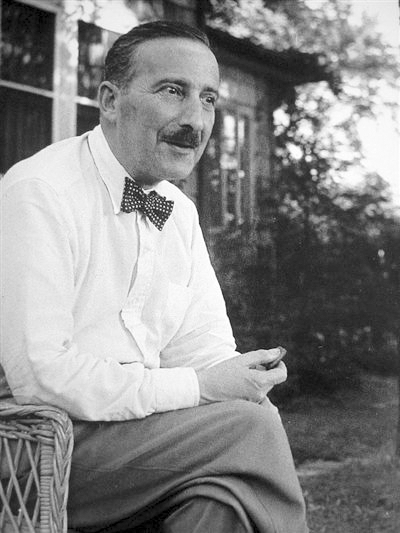
茨威格之死:“愿地球有一条安全的皱褶,容得人类宁静生存”
Xin Jing Bao· 2025-11-14 08:30
Core Points - The article discusses the life and struggles of Stefan Zweig, an Austrian writer, during his time in Brazil, highlighting his emotional turmoil and creative endeavors amidst the backdrop of World War II [4][5][6][7][15]. Group 1: Zweig's Impressions and Challenges in Brazil - Upon arriving in Brazil, Zweig's initial positive impressions were soon marred by controversies surrounding his work "Brazil: A Land of the Future," which faced criticism and rumors regarding his motivations for writing it [4][5]. - The political climate under President Vargas's dictatorship added to Zweig's discomfort, leading him to retreat into his work as a coping mechanism [5][6]. Group 2: Creative Output and Personal Life - Zweig found solace in writing, completing his autobiography "The World of Yesterday" and working on various literary projects, including a novel and a biography of Montaigne [6][7][14]. - His wife, Lotte, played a crucial role in supporting his writing and helping him cope with depression, although she also faced her own challenges in adapting to their new life [6][7][12]. Group 3: Emotional Decline and Final Days - As the war escalated, Zweig's emotional state deteriorated, leading him to contemplate the futility of his situation and the impossibility of returning home [15][21]. - In February 1942, Zweig and Lotte tragically took their own lives, leaving behind letters that expressed their despair and gratitude towards Brazil for its hospitality [19][20][21].