
一体压铸技术

Search documents
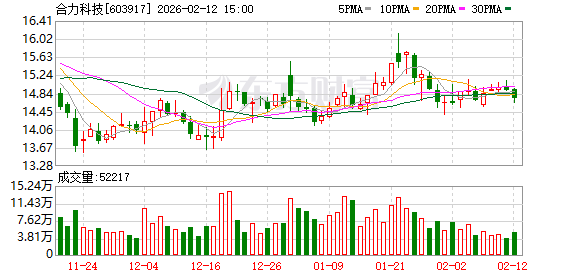
合力科技:公司一体压铸技术没有在人形机器人领域应用
Zheng Quan Ri Bao· 2026-02-12 10:10
Core Viewpoint - Helit Technology has not yet applied its die-casting technology in the humanoid robot sector as of the latest investor interaction on February 12 [2] Group 1 - The company confirmed that its one-piece die-casting technology is currently not utilized in the humanoid robot field [2]


一体铸造是画饼还是大趋势?大家吵得不可开交
3 6 Ke· 2025-12-29 01:28
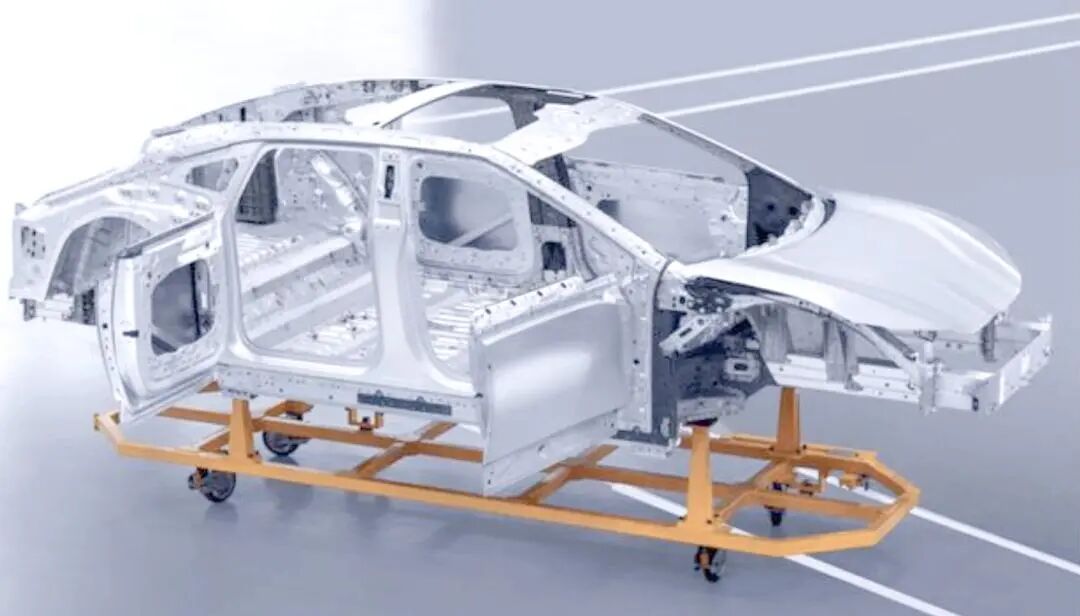
Core Viewpoint - The debate surrounding "integrated die-casting" technology in the automotive industry highlights a divide between traditional automakers focusing on lifecycle costs and new players emphasizing manufacturing efficiency and product performance [3][10]. Group 1: Integrated Die-Casting Technology - Integrated die-casting technology was popularized by Tesla's CEO Elon Musk in September 2020, announcing its use in the Model Y to replace over 370 traditional stamped and welded parts with 2-3 large castings, reducing manufacturing costs by approximately 40% [3][4]. - The technology significantly reduces the number of parts, leading to lower production line requirements and costs, while also simplifying the manufacturing process to just a few minutes [4][6]. - The lightweight nature of aluminum castings allows for a weight reduction of over 10% in the Model Y, directly enhancing electric vehicle range and improving vehicle rigidity and safety [4][6]. Group 2: Industry Response and Adoption - Following Tesla's lead, several Chinese automakers, including Li Auto and Xiaomi, have adopted integrated die-casting, emphasizing its benefits in production efficiency and vehicle performance [6][10]. - Traditional automakers are divided in their approach, with some, like Great Wall Motors, expressing skepticism about the technology's high repair costs and economic viability, while others, including Volvo and Volkswagen, are embracing it for future electric vehicle models [10][11]. Group 3: Challenges and Considerations - The high repair costs associated with aluminum components, which are difficult to repair after significant damage, pose a challenge for consumer acceptance and insurance costs [7][10]. - The initial investment in integrated die-casting technology is substantial, with equipment costs exceeding 50 million to 100 million yuan, making it a significant barrier for automakers with lower production volumes [8][10]. - The debate reflects a broader industry discussion on the balance between technological advancement and market acceptance, with integrated die-casting emerging as a key technology for high-end electric vehicles while other diverse manufacturing approaches remain relevant [11][13].



长城汽车为什么不用一体压铸?魏建军回应:成本高 维修性差
Feng Huang Wang· 2025-12-16 12:47
Core Viewpoint - The chairman of Great Wall Motors, Wei Jianjun, discussed the reasons for not adopting integrated die-casting technology, citing high costs and poor repairability of aluminum, which could lead to increased insurance premiums. He emphasized that traditional automakers have also avoided this technology [1] Group 1: Company Insights - Great Wall Motors has chosen not to implement integrated die-casting technology due to its high costs and the poor repairability of aluminum, which is recognized by insurance companies [1] - The company plans to enhance communication with users by actively researching their needs and identifying potential risks, rather than waiting for standards to improve [1] Group 2: Industry Perspectives - Wei Jianjun highlighted a prevailing issue in the industry where some companies mislead users and engage in excessive promotion [1] - He proposed that automakers should act as "technical translators" and risk "advisors" for users, indicating a shift towards more transparent communication [1] - The company intends to upgrade its internal "Anti-Deception Guide" for car purchases into a dynamic "Technical Value Assessment System," which will be integrated into the sales training program [1]
