一口姜黄饮

Search documents
“超级食物”还没走,“白人中药”又来了
Xin Lang Cai Jing· 2025-12-21 03:08
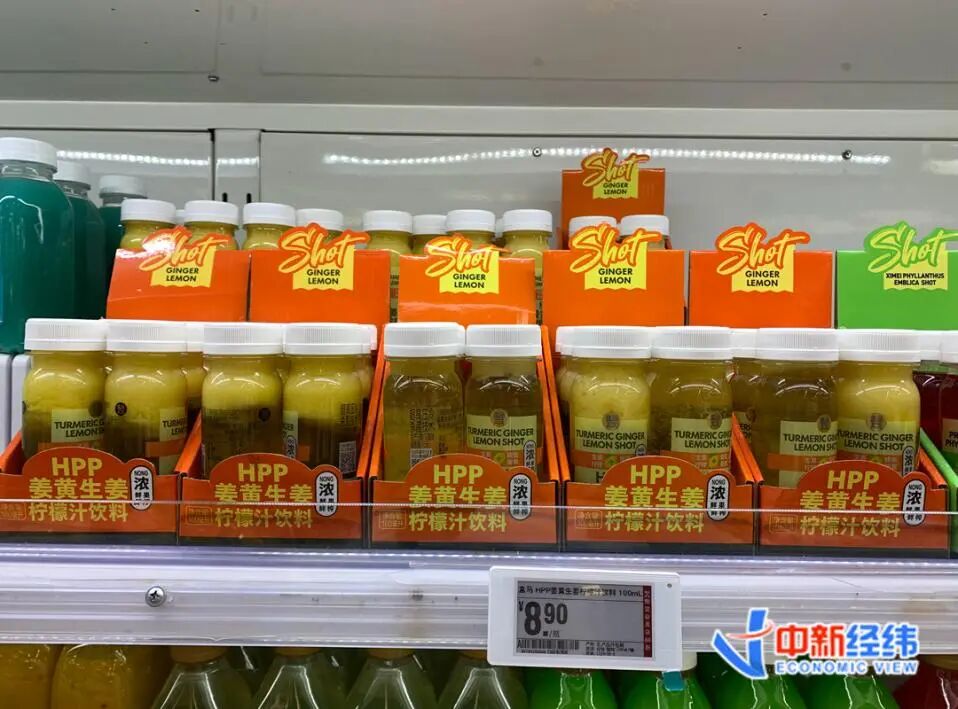
Core Viewpoint - The rise of turmeric drinks, referred to as "white people's medicine," is gaining popularity among health-conscious consumers, particularly the younger generation, despite mixed reviews on taste and effectiveness [1][2][3]. Group 1: Product Popularity and Market Trends - The "HPP Turmeric Ginger Lemon Juice" launched by Hema attracted over 3,000 purchases in its first month and became the top-selling refrigerated drink within a month, with over 20,000 orders [3][5]. - The global functional beverage market is projected to grow from $8.997 billion in 2024 to $31.919 billion by 2033, with a compound annual growth rate of 15.3% from 2025 to 2033, driven by increasing health awareness and demand for convenient products [14]. - The introduction of turmeric drinks by major retailers like Hema and Sam's Club has significantly contributed to the product's popularity, with sales figures indicating a strong market response [13][14]. Group 2: Consumer Behavior and Health Perception - Young consumers are willing to overlook the unpleasant taste of turmeric drinks for perceived health benefits, often driven by social media trends and health anxieties [2][24]. - The concept of "superfoods" is appealing to consumers, with over 60% of Generation Z focusing on health management, leading to a surge in demand for products like turmeric drinks [24][26]. - Despite the marketing of turmeric drinks as health-enhancing, nutritionists caution that the actual health benefits may be overstated, and the high sugar content could negate potential advantages [20][21][26]. Group 3: Nutritional Concerns and Product Composition - Many turmeric drinks contain high sugar levels, with Hema's drink having 445 kJ per 100 ml, which is significantly higher than regular soft drinks [19][20]. - The effective absorption of curcumin, the active ingredient in turmeric, is questioned, as many products do not provide sufficient amounts for health benefits, and the presence of sugar may further complicate this issue [20][21]. - The use of High Pressure Processing (HPP) technology in turmeric drinks helps retain nutrients but also contributes to higher production costs, making these drinks more expensive than regular juices [16][18].

这种辣嗓子的饮料遭“疯抢”,怎么火起来的?
3 6 Ke· 2025-12-04 07:30
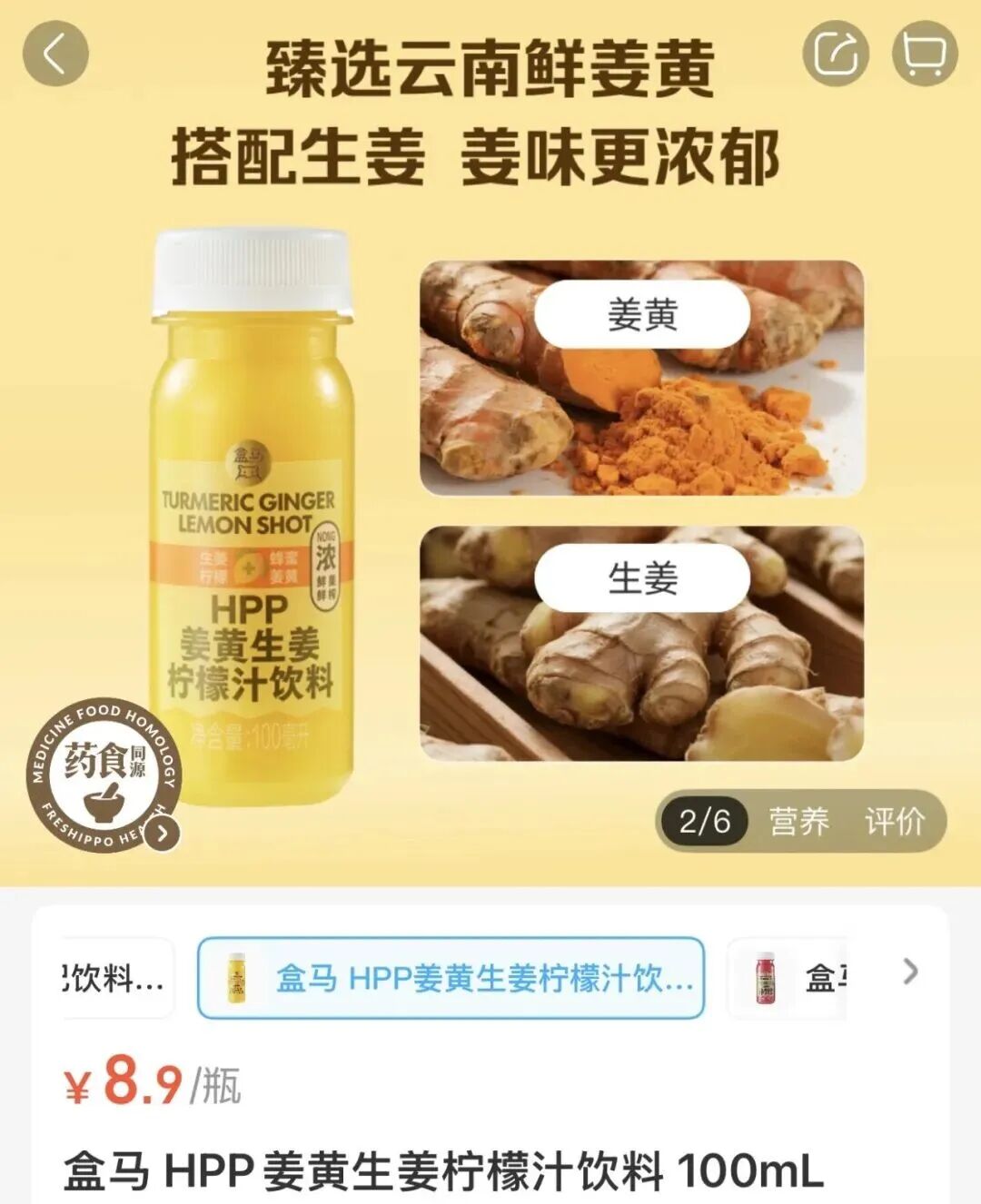
Core Insights - The rising popularity of turmeric-based products, particularly turmeric drinks and powders, is driven by health-conscious consumers seeking anti-inflammatory benefits and wellness solutions [11][12][13] Group 1: Product Trends - Turmeric drinks, such as "One Sip Turmeric Drink," have seen a significant sales increase, with a 14-fold growth since the start of the Double 11 shopping festival [6][11] - The HPP turmeric ginger lemon juice, priced at 8.9 yuan for 100ml, is positioned as a premium product, reflecting a trend towards higher-priced health beverages [3][4] - The market for turmeric powder is also expanding, with a primary consumer demographic aged 25-35, indicating a shift towards "new-style health" products [6][11] Group 2: Consumer Behavior - Consumers are increasingly attracted to turmeric products due to their perceived health benefits, including anti-inflammatory properties and overall wellness support [11][12] - The convenience of mini-sized packaging for turmeric drinks caters to modern lifestyles, allowing for easy consumption on-the-go [7][11] - The appeal of turmeric as a "food and medicine" ingredient aligns with the growing acceptance of traditional Chinese medicine among younger consumers [12][13] Group 3: Market Dynamics - The success of turmeric products is attributed to innovative marketing strategies that highlight their health benefits and unique flavors [11][15] - Companies are leveraging the trend of "food as medicine" to position turmeric products as essential for health management, tapping into the wellness market [11][12] - The competitive landscape includes various brands, each offering unique formulations and pricing strategies to capture consumer interest [5][6][11]