一部奇幻人文艺术图鉴(绘本)

Search documents
AI生成图片竟成人像摄影指南 出版物的AI标识该如何规范
Xin Lang Cai Jing· 2026-01-17 19:45
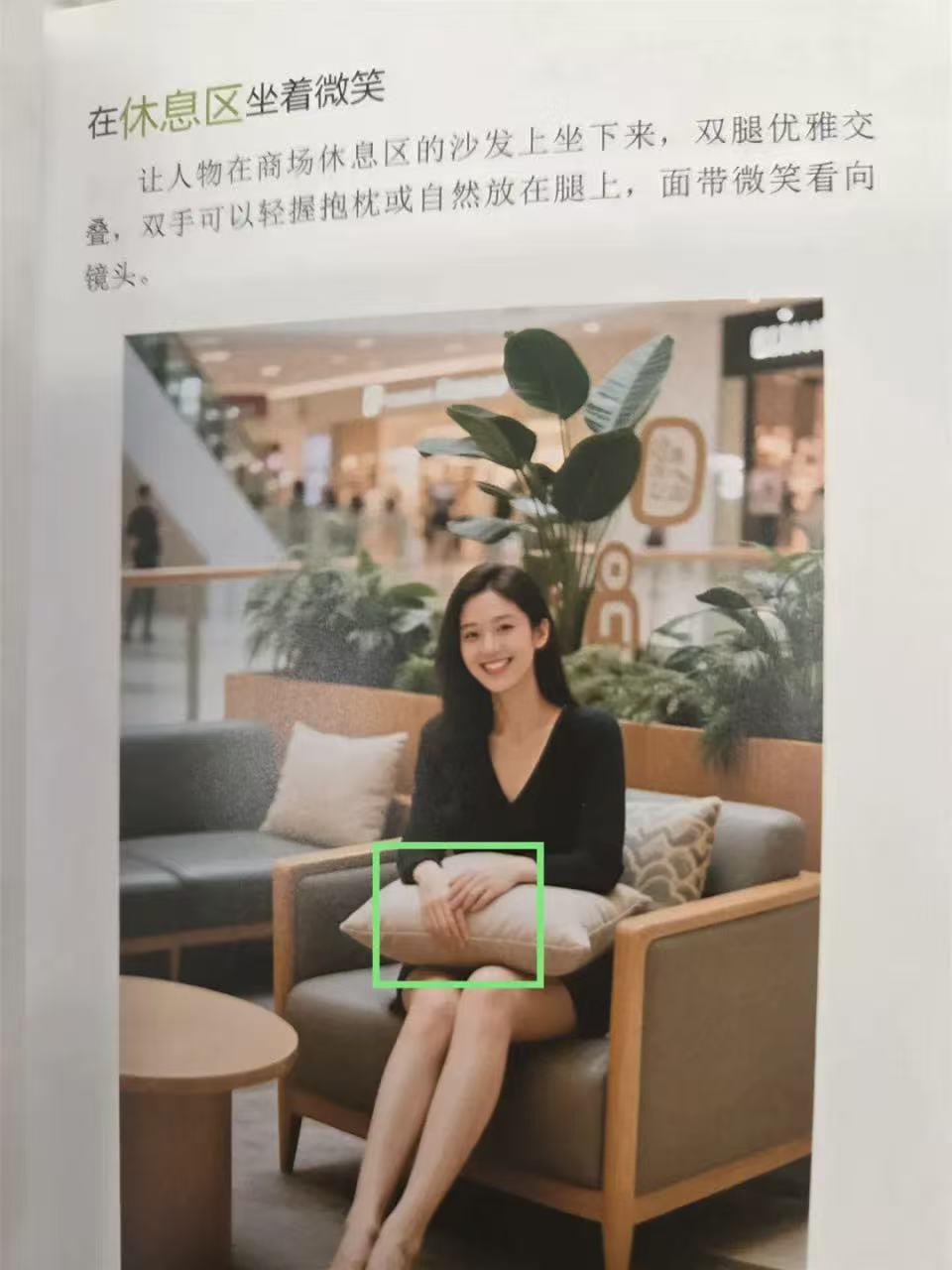
Core Viewpoint - The emergence of AI-generated content in published materials raises concerns about quality and authenticity, particularly in educational books where accuracy is crucial [3][7][8] Group 1: Issues with AI-Generated Content - A reader reported that a photography book contained AI-generated images with multiple flaws, including models with six fingers and distorted body parts, leading to a response from the publisher offering unconditional refunds [3][5] - Another book, described as a "fantasy humanistic art atlas," was criticized for lacking logical human creativity, featuring over 240 non-existent "fantasy species" without proper disclosure of AI involvement [5][7] Group 2: Legal and Ethical Considerations - Experts emphasize that the use of AI content in educational materials should be approached with caution, as it can mislead consumers who expect human-created works [7][8] - According to intellectual property lawyers, publishers have a responsibility to ensure transparency regarding AI-generated content, and failure to do so could be considered deceptive under consumer protection laws [8][9] Group 3: Regulatory Framework - The "Artificial Intelligence Generated Synthetic Content Identification Measures" implemented in September 2022 mandates that AI-generated content must be clearly labeled [5][9] - Publishers are encouraged to adopt both visible and hidden identification methods for AI-generated images to maintain consumer trust and uphold the integrity of the publishing industry [9]