
万科物业智选

Search documents
一线城市,物业费降了!
21世纪经济报道· 2025-04-24 05:44
Core Viewpoint - The trend of property fee reduction is intensifying, spreading from second-tier cities to first-tier cities, reflecting homeowners' higher expectations for the balance between service quality and pricing [1][3]. Group 1: Property Fee Reduction Trends - Major cities like Shenzhen and Shanghai are witnessing negotiations for property fee reductions, with decreases reaching up to 3 yuan per square meter [1]. - Since 2024, property fee reductions have primarily occurred in second and third-tier cities, with overall reductions ranging from 10% to 40% in cities that have implemented price limit policies [1][3]. - Homeowners are actively negotiating with property companies to achieve a balance between service and fees, indicating a shift in expectations regarding service quality [1][2]. Group 2: Competitive Landscape for Property Companies - The increasing marketization of the property industry has led to a new competitive landscape where service quality is crucial for retaining clients [2]. - Property companies are recognizing the need to adjust pricing to meet homeowner demands, as failing to do so could result in losing contracts [2][5]. - The pressure on property companies is exacerbated by declining revenues and profits, with the average gross profit of the top 100 property service companies in China decreasing by 1.34% year-on-year in 2024 [7]. Group 3: Service Quality and Pricing Strategies - Property companies are adopting "optional menu-style services" to cater to personalized needs while reducing costs [2]. - The average gross margin for property service companies has dropped to 19.87%, with net profit margins falling below 5% for the first time [7]. - Companies like Vanke Property are introducing flexible pricing models that allow homeowners to choose services based on their needs, which may become a trend among other property firms [8][9]. Group 4: Recommendations for Industry Development - The property industry should focus on enhancing service quality and brand value rather than engaging in price wars [9]. - Companies are encouraged to improve operational efficiency and optimize cost structures to enhance market competitiveness [9].

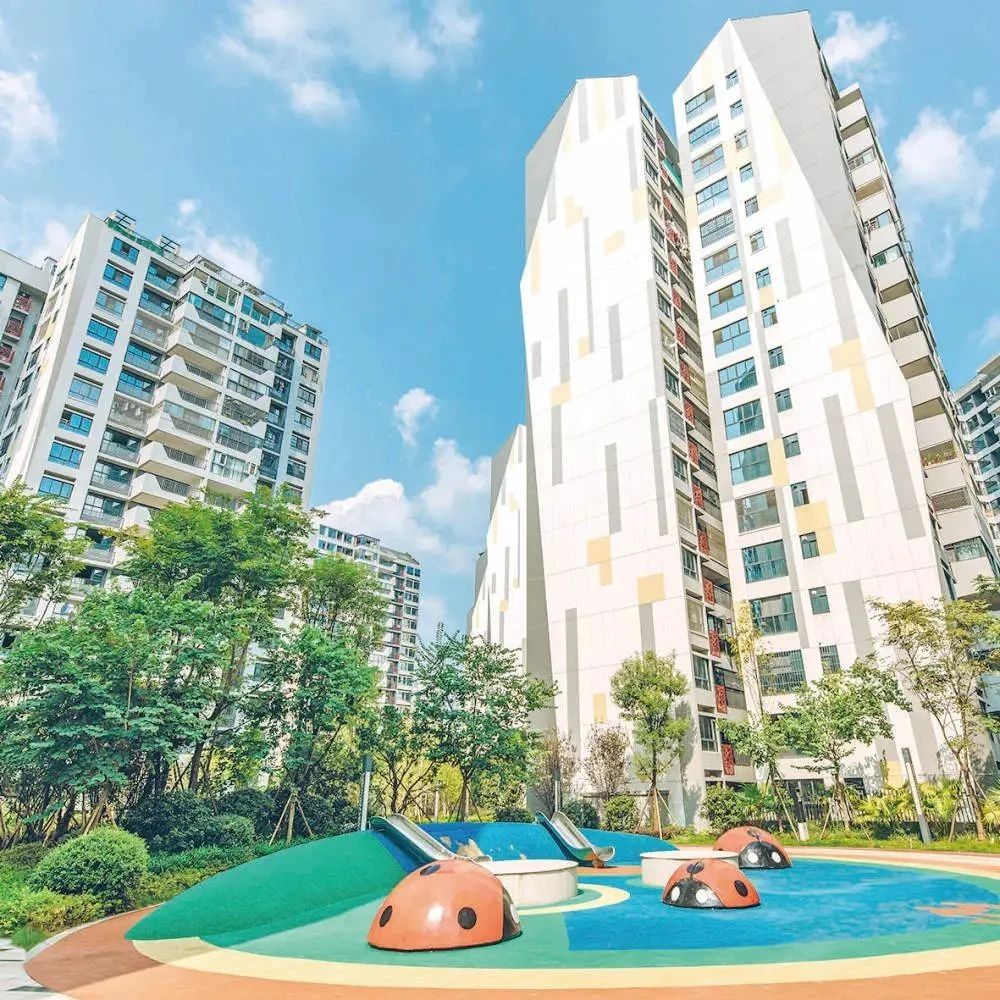
一线城市物业费也在下降,物业企业左手守项目右手保利润
2 1 Shi Ji Jing Ji Bao Dao· 2025-04-23 12:52
Core Viewpoint - The trend of reducing property management fees is intensifying, spreading from second-tier cities to first-tier cities, reflecting homeowners' expectations for better service quality relative to costs [1][2]. Group 1: Fee Reduction Trends - Major cities like Shenzhen and Shanghai are negotiating property fee reductions, with decreases reaching up to 3 yuan per square meter [1]. - Over a hundred properties in second-tier cities such as Chongqing and Wuhan have successfully lowered their management fees, with reductions ranging from 10% to 40% [1]. - Homeowners are increasingly sensitive to property fees due to significant adjustments in housing prices and rents, leading to negotiations with property management companies [2]. Group 2: Impact on Property Management Companies - Property management companies are facing continuous pressure on revenue and profits due to widespread fee reductions [2]. - The average gross profit of the top 100 property service companies in China decreased by 1.34% year-on-year, with net profit down by 4.71% [5]. - The overall profit margins for property companies are declining, with gross margins averaging 19.87% and net margins falling below 5% for the first time [5]. Group 3: Service Quality and Homeowner Expectations - Homeowners are demanding fee reductions when the quality of services does not match the fees charged, leading to disputes and arbitration cases [3]. - Property companies are recognizing the need to balance service costs with homeowner demands, as declining payment rates can significantly increase operational pressures [3][4]. - Many property companies are opting to compromise on fee reductions to maintain contracts and avoid losing projects to competitors [4]. Group 4: Innovative Service Models - Some property companies are introducing customizable service options to meet individual homeowner needs while reducing costs [2][6]. - Vanke Property has launched a "flexible pricing" model, allowing homeowners to choose from a range of services, which may be adopted by other companies in the future [6][7]. - The industry is encouraged to focus on enhancing service quality and brand value rather than engaging in price wars, promoting a healthier competitive environment [7].
万物云:应收账款规模及关联方业务占比双降,弹性定价模式上半年将向全行业开源
Peng Pai Xin Wen· 2025-03-26 08:52
Core Viewpoint - The company reported a revenue of 36.22 billion yuan for 2024, representing a year-on-year growth of 9.2%, with core circular business revenue reaching 30.79 billion yuan, up 15.5%, accounting for 85% of total revenue [1][2] Financial Performance - The company achieved a core net profit of 2.23 billion yuan in 2024, a decrease of 4.8% year-on-year, while operating cash flow was 1.92 billion yuan and cash equivalents totaled 13.43 billion yuan [1] - The net profit for the period was 1.26 billion yuan, down 38.3% year-on-year, attributed to a decline in developer business and accounts receivable [2] Business Operations - The proportion of revenue from developer business and accounts receivable both decreased in 2024, with related transactions accounting for 9.5% of total revenue, down 4 percentage points [2] - The company recorded a credit impairment loss of 610 million yuan due to risks associated with accounts receivable amid industry fluctuations [2] Innovation and Market Strategy - The company introduced an elastic pricing model called "Vanke Property Smart Choice," allowing property companies to set service baselines and customers to choose services based on needs, with plans to expand this model industry-wide by mid-2025 [2][3] - Over the past three months, there has been significant interest in the elastic pricing product, with 64 cities and 160 clients engaged, and contract amounts reaching 620 million yuan [3] Dividend Policy - The company proposed a dividend policy consistent with its mid-term strategy, planning to distribute 100% of core net profit as dividends, amounting to 1.9 yuan per share, resulting in a dividend yield of 9.3% based on the closing price at the end of 2024 [3]