
万能遥控器

Search documents
提个醒:不当使用“万能遥控器”或涉嫌违法
Xin Lang Cai Jing· 2025-10-27 03:27
Core Viewpoint - The emergence of "universal remote controls" for gate barriers raises concerns about security and legality, as these devices can potentially bypass access control systems, leading to unauthorized entry into residential areas and other secured locations [1][3]. Group 1: Product Overview - "Universal remote controls," also known as "gate-lifting devices," can replicate signals to control various access points, including residential gates and parking barriers [1][3]. - These devices are sold online at prices ranging from a few yuan to over a hundred yuan, with some listings indicating high sales volumes and user comments suggesting their use for unauthorized access [3]. Group 2: Functionality and Limitations - Testing revealed that these remotes are not truly "universal" as they require on-site signal copying and can only operate on specific frequency bands, making them ineffective against more advanced systems like license plate recognition [3][4]. Group 3: Legal Implications - The legality of producing and selling these remotes hinges on the "technological neutrality" principle; if designed to bypass security systems, they may violate laws [4][5]. - Producers face legal risks related to intellectual property infringement and liability for damages caused by unauthorized access facilitated by their products [5][6]. Group 4: Responsibilities of E-commerce Platforms - E-commerce platforms are legally obligated to monitor and take action against the sale of products that may endanger public safety, and cannot evade responsibility by claiming to be mere intermediaries [5][6]. - Disclaimers from sellers claiming that their products are intended for legitimate use do not absolve them of liability if the products are inherently illegal [5][6]. Group 5: Recommendations for Stakeholders - Manufacturers should enhance legal awareness and refrain from producing devices with illegal functionalities, while sellers must verify the legitimacy of their products [6]. - E-commerce platforms should actively enforce regulations to prevent the sale of such devices, and technology providers should improve security measures to prevent signal replication [6].

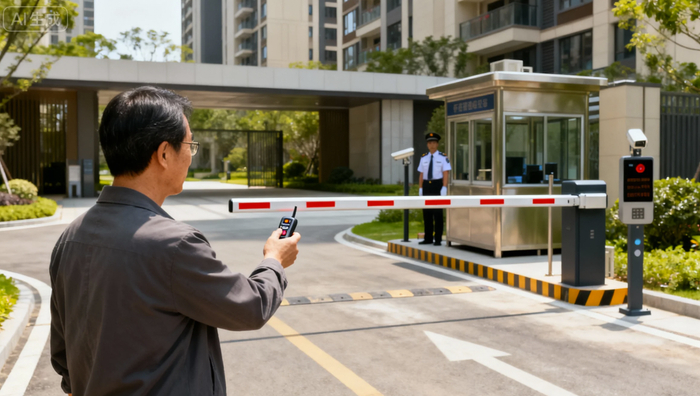
不当使用“万能遥控器”或涉嫌违法(百姓关注)
Ren Min Ri Bao· 2025-10-26 22:19
Core Viewpoint - The article discusses the emergence and implications of "universal remote controls" that can bypass security systems in residential areas, raising concerns about security and legality [1][2][4]. Group 1: Product Description and Functionality - The "universal remote control" can replicate signals to control various access points like gates and doors, allowing unauthorized access to restricted areas [1][2]. - These remotes are sold online at prices ranging from a few yuan to hundreds, with some listings indicating high sales volumes and user comments suggesting their use for bypassing security [1][2]. Group 2: Legal and Ethical Concerns - The legality of producing and selling these remotes is questioned, particularly if their design is intended to circumvent security measures, which could violate intellectual property laws [2][3]. - Sellers and e-commerce platforms may face legal responsibilities if they knowingly sell products that compromise safety or violate consumer rights [3][4]. Group 3: Recommendations and Responsibilities - Producers should enhance legal awareness and refrain from selling products with illegal functionalities, while sellers must verify the legitimacy of their products and cannot rely solely on disclaimers for protection [4]. - E-commerce platforms are urged to fulfill their regulatory obligations by monitoring and removing illegal products from their listings [4].