三只松鼠夏威夷果

Search documents
韩国游客扎堆上海商超“扫货”,零售端抢抓入境游红利
Zhong Guo Jin Rong Xin Xi Wang· 2026-01-12 11:03
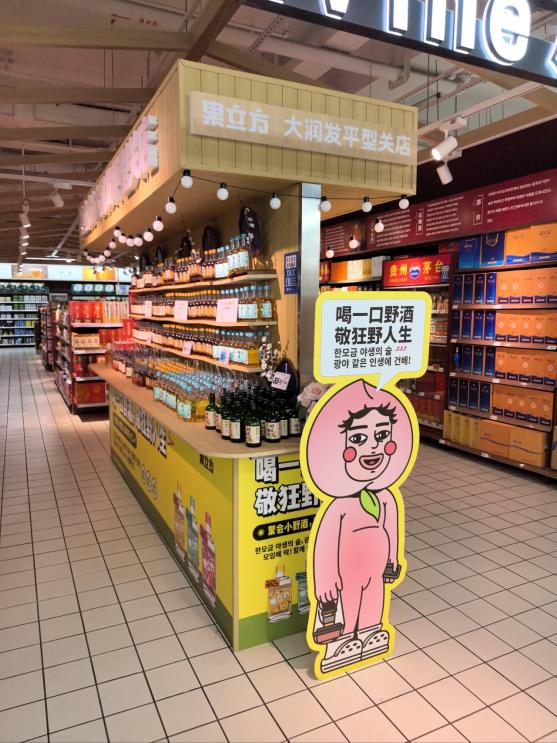
Core Insights - The implementation of the visa-free policy between China and South Korea has significantly increased the enthusiasm of South Korean tourists to visit China, with Shanghai emerging as a preferred destination due to its unique blend of international and local consumer experiences [1][2] Group 1: Tourist Trends - The Da Run Fa Pingxingguan store has become a popular spot for South Korean tourists, receiving an average of 200-300 visitors daily, with weekend peaks exceeding 500 [1] - The surge in popularity is attributed to social media sharing, where tourists highlighted the store's competitive pricing on nut products, leading to a chain reaction of interest [1][2] Group 2: Consumer Behavior - The store has adapted its services to cater to South Korean tourists, including bilingual signage and a curated list of 13 popular products for easy identification [2] - Special checkout lanes and payment options, including Kakao Pay and UnionPay, have been introduced to enhance the shopping experience, along with a promotional offer of 25 yuan off for purchases over 300 yuan [1][2] Group 3: Product Popularity - Popular items among South Korean tourists include small bottles of Jiangxiaobai liquor, Hawaii macadamia nuts, and themed souvenirs like "I Love Shanghai" T-shirts, which have seen monthly sales exceeding 800 units [2][3] - The store's unique offerings and services have made it a standout in the Shanghai retail sector, particularly with the introduction of an immediate tax refund service for foreign tourists [3] Group 4: Industry Response - Other retail companies, such as Bailian Group and Hangzhou Jiebai, are following suit by launching similar tax refund services to capitalize on the influx of foreign tourists [3] - Industry experts recommend that retail businesses further explore local product resources, enhance multilingual services, and integrate shopping experiences into tourism itineraries to foster sustainable growth in consumer spending [3]

平价新鲜、品质好,全市“独一份”……沪上这些人气超市,热闹之后,能红多久?
Sou Hu Cai Jing· 2025-12-24 23:08
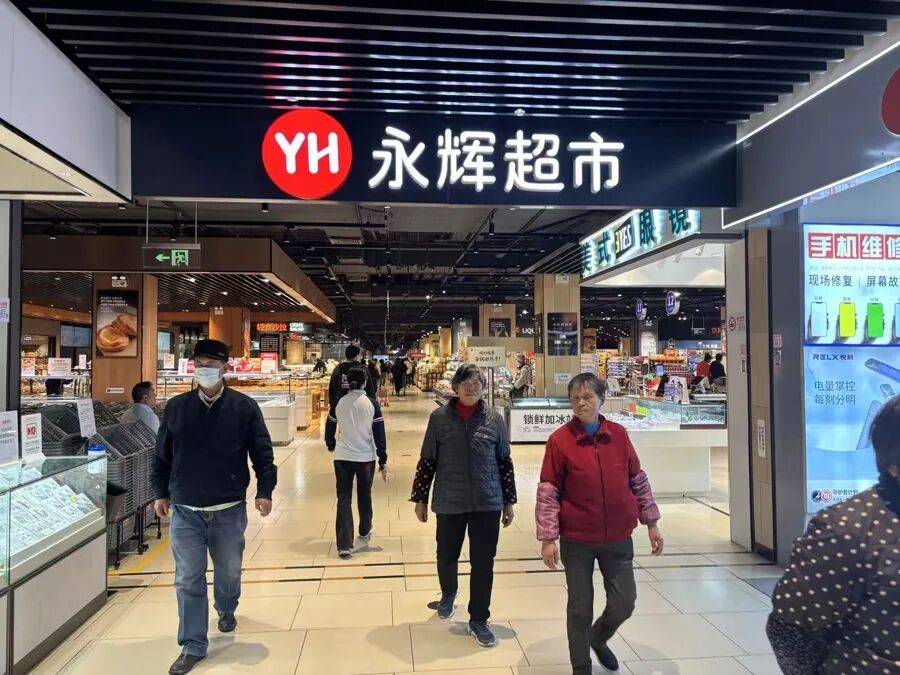
Core Insights - The Shanghai supermarket industry is undergoing a transformation characterized by intense competition and innovation, with various players adopting unique strategies to attract consumers and sustain growth [1][30]. Group 1: YH Supermarket (永辉超市) - YH Supermarket launched its first "Fat Reform" store in Shanghai's Jinshan Wanda Plaza, attracting significant consumer interest on its opening day, with 11 stores undergoing similar upgrades across the city [2][4]. - Despite initial popularity, the store's customer traffic has decreased significantly, with shoppers primarily focusing on daily necessities, indicating a need for sustained engagement beyond the initial novelty [4][9]. - The store has introduced various affordable products and services, including a dedicated area for low-priced baked goods and free tasting samples, but faces challenges in maintaining customer interest and adapting to local tastes [6][9]. Group 2: Qingmei Group (清美集团) - Qingmei Group's "Pin Shang Life" supermarket opened in July 2025, quickly attracting local residents and achieving over 1 million yuan in sales on its first day, leveraging its comprehensive supply chain for fresh produce [10][12]. - The store emphasizes local flavors and fresh, affordable products, catering to the preferences of Shanghai's consumers, particularly older demographics [10][12]. - While the store has received positive feedback for its offerings, there are concerns about the variety of products available, suggesting a need for continuous innovation in its product range [12][14]. Group 3: Aoleqi (奥乐齐) - Aoleqi has rapidly ascended in the supermarket rankings, achieving a 100% growth rate and launching new private label brands to enhance its competitive edge [15][19]. - The store attracts a diverse customer base, particularly younger consumers, with a focus on high-quality, low-priced products that resonate with local tastes [17][19]. - Aoleqi's strategy includes maintaining a high percentage of private label products, which allows for better price control and quality assurance, but faces challenges in balancing low prices with brand trust [20][19]. Group 4: RT-Mart (大润发) - RT-Mart's Pingxingguan store has become a popular destination for Korean tourists, leveraging its unique offerings and Korean language services to enhance the shopping experience [21][29]. - The store has adapted its product displays and services to cater specifically to Korean visitors, resulting in increased foot traffic and sales, particularly in snack and beverage categories [24][26]. - Despite the influx of tourists, RT-Mart remains committed to its community supermarket model, ensuring that local residents continue to receive quality service and products [29][21]. Group 5: Industry Trends - The Shanghai supermarket sector is witnessing a wave of innovation and transformation, with established players and new entrants alike striving to meet evolving consumer demands [30][31]. - There is a growing emphasis on integrating local culture and community needs into supermarket offerings, moving beyond traditional retail models to create unique shopping experiences [30][31]. - The competition in the supermarket industry is intensifying, with a focus on quality, service, and local adaptation becoming critical for long-term success [32][30].