三唑仑

Search documents
依托咪酯、美托咪酯、曲马多……这些医疗用麻精药品具有毒品属性,千万别滥用!
Xin Lang Cai Jing· 2026-02-02 14:55
Core Viewpoint - The Supreme People's Court has proposed strengthening the regulatory framework for medical narcotic drugs in response to rising abuse and trafficking issues, prompting the National Health Commission to take decisive actions to address these problems [1][3]. Group 1: Regulatory Actions - The Supreme People's Court has sent judicial recommendations to the National Health Commission to enhance the regulatory system for medical narcotic drugs [1]. - The National Health Commission is drafting relevant regulations to combat the misuse of narcotic drugs [1]. Group 2: Abuse and Trafficking Issues - Various narcotic drugs, including etomidate, methohexital, tramadol, dextromethorphan, and synthetic cannabinoids, are being abused and sold illegally [1]. - Some hospitals, clinics, and pharmacies have become channels for the illegal distribution of narcotic drugs, with certain medical personnel exploiting their positions for profit [1]. - There is a noted increase in new drug cases as illegal substances are being marketed as alternatives to traditional drugs [1]. Group 3: Public Awareness and Compliance - Patients and their families often resell leftover narcotic drugs due to a lack of understanding of regulations, convenience, or financial reasons, which can lead to legal repercussions [3]. - The Supreme People's Court emphasizes the importance of adhering to medical advice regarding narcotic drugs and properly disposing of any leftover medication to prevent legal issues [3].

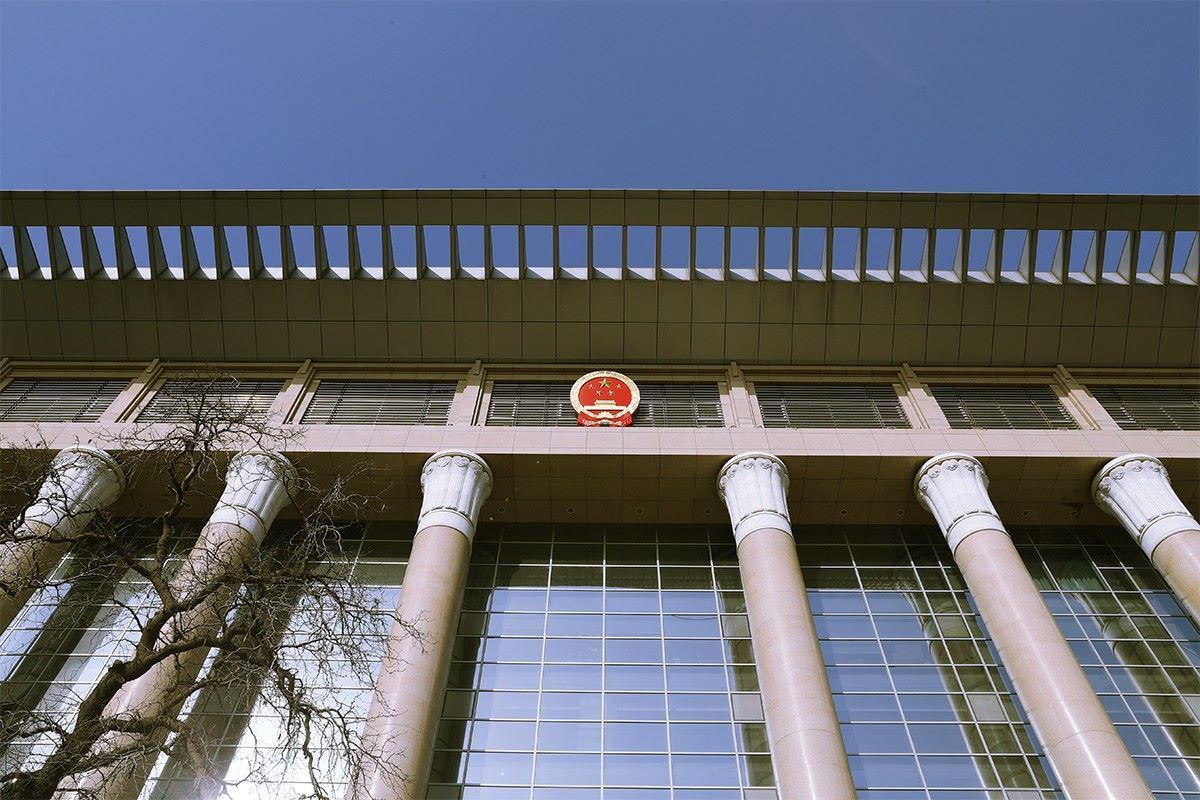
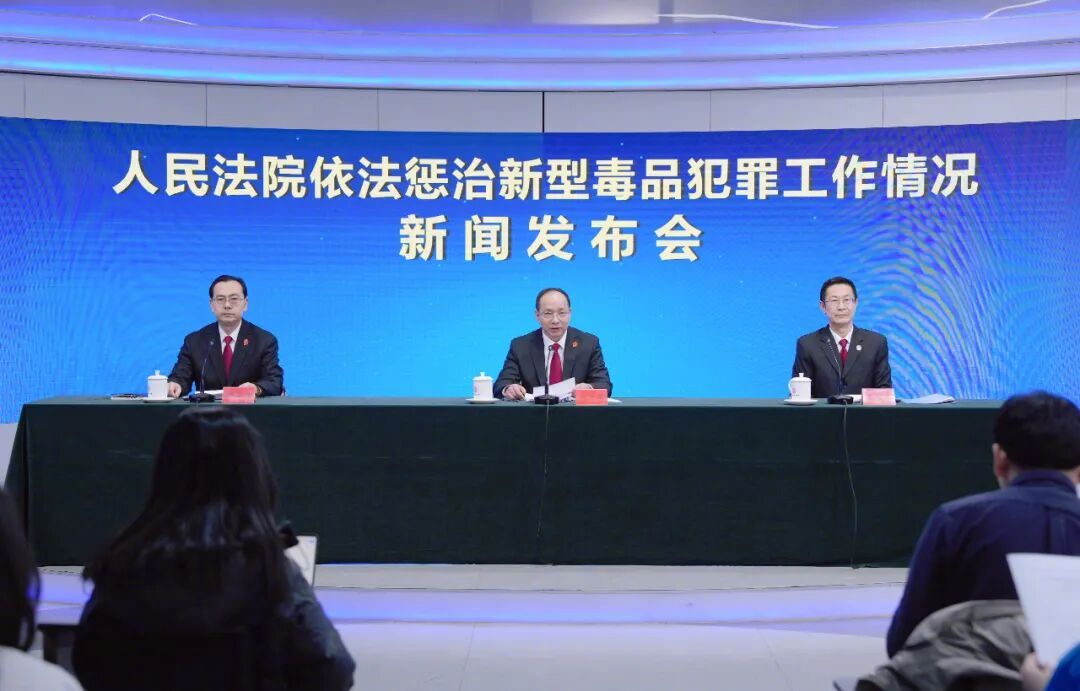
最高法举行“人民法院依法惩治新型毒品犯罪工作情况”新闻发布会
Xin Lang Cai Jing· 2026-02-02 12:49
Core Viewpoint - The Supreme People's Court of China is actively addressing the issue of new drug crimes in preparation for the upcoming National People's Congress, highlighting the importance of strict and fair judicial practices in combating drug-related offenses and ensuring public safety and welfare [1][4]. Group 1: Current Situation of New Drug Crimes - The number of drug cases in China has significantly decreased, with 23,732 drug cases concluded in 2025, marking an 82.93% decline from the peak in 2015 [4]. - New drug crimes are on the rise, with approximately 4,000 new drug cases concluded in 2023, and this number is expected to surge to about 14,000 in 2024, accounting for 39.1% of all drug cases [5]. - The structure of drug abuse is changing, with new drugs like etomidate surpassing traditional drugs like heroin in some provinces, indicating a shift in drug consumption patterns [5]. Group 2: Characteristics of New Drug Crimes - New drug cases are characterized by fluctuating growth and an increasing proportion of total drug cases, with new drugs becoming more prevalent as traditional drugs are effectively curtailed [5]. - The sources of involved substances are diverse, including smuggling from abroad and illegal production within the country, with medical institutions also being a source of abused drugs [6]. - New drugs often have strong concealment and disguise features, being sold in forms that resemble everyday products, which complicates enforcement efforts [6]. Group 3: Judicial Measures and Achievements - From 2023 to 2025, courts concluded 93,000 drug cases, with 133,000 defendants sentenced, including 27,000 receiving prison terms of five years or more, reflecting a strict approach to drug crime [10]. - The courts are implementing a dual approach of strict punishment and precise targeting, focusing on serious offenses such as trafficking and manufacturing new drugs [10]. - The Supreme People's Court has issued guidelines and case studies to enhance judicial responses to new drug crimes, ensuring consistent application of laws [12][13]. Group 4: Prevention and Governance - The courts are emphasizing a combination of punishment and prevention, issuing judicial recommendations to improve the regulation of medical drugs and enhance public awareness [14][15]. - Collaborative efforts with various departments are being strengthened to create a comprehensive governance model for drug-related issues, including initiatives to improve postal safety against drug trafficking [16].
石家庄机场海关查获国家管制第一类精神药品三唑仑100粒
Zhong Guo Xin Wen Wang· 2025-09-15 08:41
Core Viewpoint - The article reports the seizure of 100 pills of the controlled substance Triazolam at Shijiazhuang Airport Customs, highlighting the enforcement of drug control laws in China [1] Group 1: Incident Details - Shijiazhuang Airport Customs discovered a suspicious package declared as "nutritional supplements" during mail inspection, leading to the seizure of Triazolam [1] - The total quantity of the seized substance is 100 pills [1] Group 2: Legal Framework - The article references the Criminal Law and the Anti-Drug Law of the People's Republic of China, which classify controlled narcotics and psychotropic substances as drugs [1] - It emphasizes that smuggling, selling, transporting, or manufacturing drugs, regardless of quantity, is subject to criminal liability and punishment [1]
男子利用口令红包收取漂洗毒资被判刑 最高检发布典型案例
Nan Fang Du Shi Bao· 2025-06-25 06:34
Core Viewpoint - The article highlights a case of drug trafficking and money laundering involving the use of social media platforms and new payment methods, emphasizing the legal consequences faced by the accused [1][3][4] Group 1: Case Details - The accused, Ye Mou Bin, born in 2005 and unemployed, was involved in selling controlled substances via a foreign social media platform [3] - Ye Mou Bin sold 10 pills of the controlled substance triazolam to a buyer in Beijing, using a third-party payment tool in the form of a password-protected red envelope for payment [3] - The transaction involved multiple steps, including sending a password to an overseas contact who then generated a new password for Ye Mou Bin to collect the payment [3] Group 2: Legal Proceedings - On September 27, 2024, the Beijing Chaoyang District People's Procuratorate filed charges against Ye Mou Bin for drug trafficking and money laundering [3] - On October 28, 2024, the Beijing Chaoyang District People's Court sentenced Ye Mou Bin to one year and three months in prison and imposed a fine of 20,000 yuan [3] - Ye Mou Bin did not appeal the verdict, which has since become effective [3] Group 3: Investigative Insights - The case illustrates the use of mobile payment tools in drug-related crimes and money laundering, prompting proactive involvement from the Beijing Chaoyang District People's Procuratorate [4] - Investigators collected evidence from domestic and foreign platforms, including communication records and payment transaction logs, to build a comprehensive case against Ye Mou Bin [4] - The Supreme People's Procuratorate emphasized the need for strict legal accountability in cases involving cross-border drug trafficking and money laundering, advocating for thorough evidence collection and prosecution [4]