三里屯太古里灯光艺术活动

Search documents
2026北京夜经济新地图来了,又有新玩法
3 6 Ke· 2025-12-09 22:21
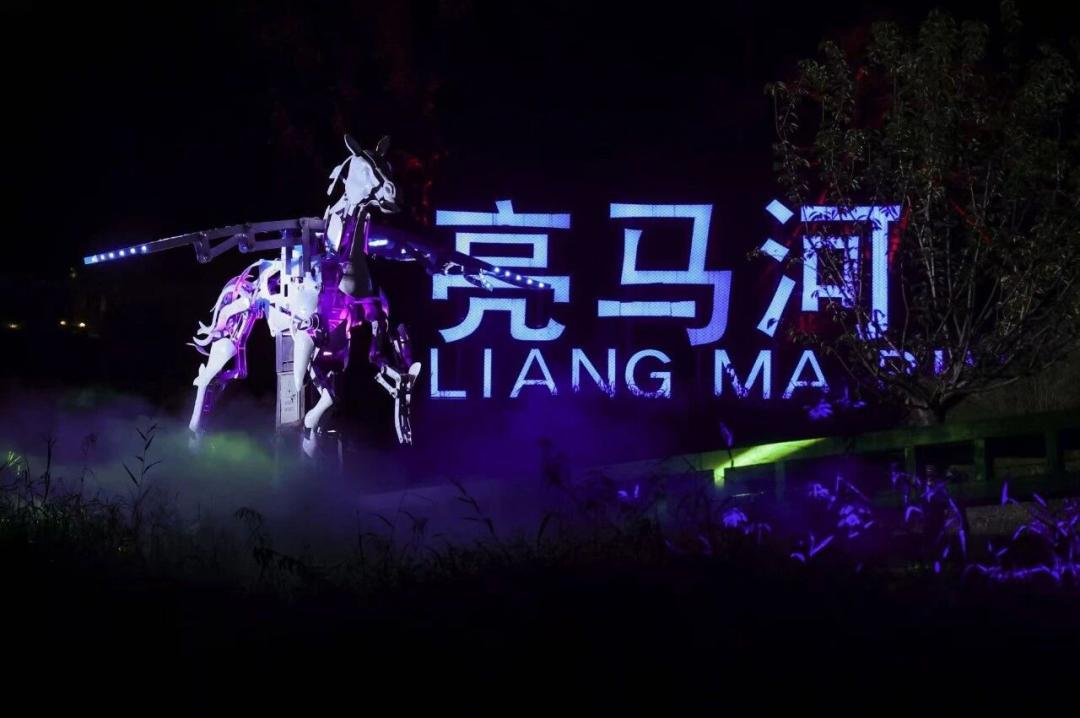
Core Insights - The transformation of urban consumption logic in Beijing is shifting from "convenient consumption" during the day to "purposeful visits" at night, indicating a growing focus on high-quality night economy projects that enhance the appeal of destinations [1] - Night economy is not merely about food and drinks; it aims to create unique experiences that attract consumers specifically for nighttime activities, thus becoming a key indicator of a city's commercial charm and quality of life [1] - The prosperity of the night economy allows individual commercial entities to evolve from mere consumption points to destinations worth visiting, opening up imaginative growth opportunities for urban consumption [1] Scene Specialization - Nighttime is characterized as a prime time for "emotion-driven consumption," contrasting with daytime's focus on functional needs, thus creating a unique appeal that can convert casual passersby into dedicated visitors [2] - Exclusive nighttime scenes serve as a crucial tool to overcome homogenization in commercial competition, enhancing user engagement and allowing businesses to become integral participants in defining urban nightlife culture [2] Nighttime Attractions - The collaboration between Liangma River International Style Waterfront and Blue Harbor exemplifies a successful night economy model, transforming daytime perceptions into a romantic nighttime experience with light shows and outdoor dining [3][5] - The Blue Harbor, positioned as an "international consumption-friendly business district," features over 400 international fashion and lifestyle brands, catering to diverse consumer needs and hosting annual cultural events [5] Performance Metrics - During the 2025 Beijing Chaoyang International Light Consumption Season, the number of visitors to Liangma River's boat tours increased by 8%, with revenue rising by 20.5%, while Blue Harbor saw a 20% increase in foot traffic and over 10% in sales [6] Business Model Innovation - The integration of multiple business formats is essential for enhancing repurchase rates and creating a "one-stop" nighttime consumption experience, which is vital for both emerging and established commercial projects [7] - Sanlitun Taikoo Li has become a key player in Beijing's nighttime economy, continuously adjusting its business offerings and hosting artistic light displays that attract visitors [8][10] Event-Driven Engagement - Huaxi LIVE at Wukesong has established itself as a vibrant hub for nighttime activities, hosting over 80 large-scale events annually and attracting more than 20 million visitors, thus redefining the nightlife experience in the region [12][14] Cross-Industry Collaboration - The 21 District BLOCK at Chaoyang He Sheng Hui has successfully transformed nighttime foot traffic into robust consumer spending through a diverse mix of dining and entertainment options, including themed events and immersive experiences [15][17] Marketing and Policy Support - The growth of Beijing's night economy is significantly supported by policy initiatives and comprehensive marketing strategies, combining "policy + scene + marketing" to enhance nighttime consumer engagement [18] - The "Night Capital 2.0" initiative, launched in 2025, aims to promote nighttime hotspots through digital platforms and special events, further enriching the nighttime consumption landscape [19] Thematic Activities - Various districts in Beijing are launching unique nighttime economic activities, such as themed street events and light festivals, to invigorate nighttime consumer engagement and enhance the overall appeal of the city [20] Future Developments - The upcoming Bayli Tingyun Town is expected to contribute significantly to Beijing's night economy by offering a multifaceted lifestyle destination that combines dining, entertainment, and cultural experiences [22][24] - The integration of technology and culture is anticipated to unlock new opportunities for the night economy, enhancing the attractiveness and warmth of nighttime consumption in Beijing [25]