
中山装

Search documents
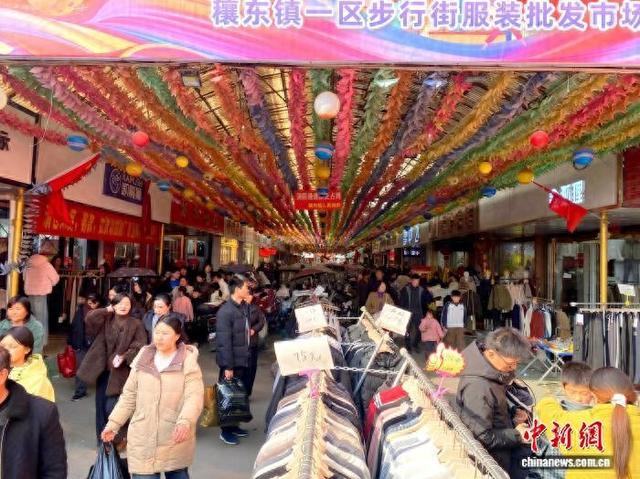
(新春见闻)“过年穿新衣” 穰东服装热销海内外
Xin Lang Cai Jing· 2026-02-13 10:07
Core Insights - The clothing market in Yangdong Town, Nanyang, Henan, is experiencing a surge in activity as the Lunar New Year approaches, with significant sales reported, particularly in traditional garments like the Zhongshan suit [1][4] - The local clothing industry has evolved from a focus on OEM (Original Equipment Manufacturer) to a more structured production model, with standardized factories and a comprehensive division of labor [4][5] Industry Overview - Yangdong Town has a rich history in clothing production, being recognized as a major hub for pants manufacturing since the 1980s, and is now aiming to become a "Chinese Clothing Town" with a projected industry cluster worth over 10 billion [3][5] - The local clothing industry generates an annual output value of 12.7 billion yuan, with over 460 garment processing enterprises and 1,700 village-level workshops, exporting to more than 110 domestic cities and over 10 countries in Europe and America [4][5] Market Dynamics - The competitive pricing of Yangdong's clothing is highlighted, with local products being 40% cheaper than similar items in retail stores after discounts, showcasing a strong value proposition for consumers [4] - The local government is actively promoting vocational training, having trained over 6,000 villagers in the past year to support the growing demand for skilled labor in the clothing sector [5]

“中山百货进上海”活动两大展区集结近八百款产品 感受“广货”盛宴 重温粤沪温情
Jie Fang Ri Bao· 2026-02-01 02:02
Group 1 - The event "Guanghuo Xing Tianxia: Zhongshan Goods Enter Shanghai" was launched, featuring nearly 800 products from around 300 Zhongshan enterprises, including high-tech companies like Gree, TCL, and Galanz [1][2] - The event aims to promote cultural exchange and business opportunities between Zhongshan and Shanghai, showcasing products such as smart robots, lighting, and specialty foods [1] - The event is part of a broader initiative by the Guangdong Provincial Government to promote local products and enhance the city image of Zhongshan [2] Group 2 - The event includes a public call for contributions related to the history of Zhongshan residents in Shanghai, aiming to collect written records and images reflecting the cultural ties between the two cities [2] - The event is guided by the Guangdong Provincial Party Committee and the Guangdong Provincial Department of Industry and Information Technology, indicating strong governmental support [2]
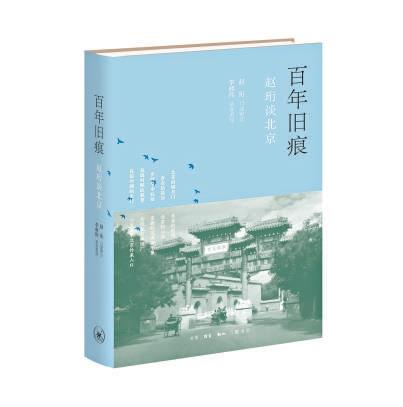
《百年旧痕》:穿衣的政治
Xin Lang Cai Jing· 2025-12-28 14:15
Core Viewpoint - The evolution of clothing in China over the past century reflects significant social and political changes, with specific styles indicating class distinctions and societal norms [5][6][7]. Group 1: Historical Changes in Clothing - The major shift in clothing styles began after 1911, moving away from the Manchu attire to more diverse forms of dress, particularly in men's clothing [5]. - Before 1911, men's clothing was largely uniform, with distinctions primarily based on rank rather than ethnicity, while women's clothing showed clear differences between Han and Manchu styles [5][6]. - The Republic of China era saw a rejection of traditional Manchu garments, leading to the adoption of long gowns and the removal of specific features like the horse-hoof sleeves [6]. Group 2: Introduction of New Styles - The introduction of the Zhongshan suit (also known as the Sun Yat-sen suit) marked a significant change in men's fashion, with its design evolving from a stand-collar to a lapel style in the early 1920s [7]. - Western-style suits began to gain popularity in China during the late Qing Dynasty, with the fashion evolving to match European styles by the 1920s, leading to a peak in the 1930s [8]. - Despite the rise of Western fashion, traditional long gowns remained prevalent, especially among certain social classes, indicating a blend of styles during this period [9]. Group 3: Cultural Significance of Clothing - Clothing in Chinese society is not merely functional but serves as a reflection of social values, etiquette, and cultural identity [5][6]. - The story of a young man who wore a long gown with a subtle design illustrates the importance of understated elegance and cultural expression in clothing choices [10][11]. - The emphasis on subtlety and craftsmanship in clothing design highlights a cultural preference for nuanced expression over ostentation [11].
一袭中山装,有藏在针线里的革新气度|岭南衣·秀新疆⑥
Nan Fang Nong Cun Bao· 2025-08-13 09:00
Core Viewpoint - The article highlights the significance of the Zhongshan suit as a cultural and historical symbol in China, emphasizing its innovative design and the blend of traditional and modern elements in its evolution [10][12][25]. Group 1: Historical Context - The Zhongshan suit, named after Sun Yat-sen, was designed to reflect the needs of the Chinese people and to signify a break from traditional clothing styles [10][11]. - Sun Yat-sen believed that Western suits were unsuitable for Chinese life, and traditional garments were outdated, leading to the creation of the Zhongshan suit as a revolutionary garment [11][12]. - The suit represents a shift towards clothing equality and the integration of Western tailoring techniques with Chinese design elements [14][16]. Group 2: Design and Craftsmanship - The Zhongshan suit underwent nearly 20 years of development, combining Chinese and Western design principles, such as the upright collar and tailored fit [16][18]. - The production of a traditional Zhongshan suit involves over 20 major processes and more than 100 minor processes, often taking a week to complete [19][20]. - Its design features, such as the four symmetrical pockets and the button arrangement, symbolize moral values and political ideals [22][24]. Group 3: Modern Adaptations - Contemporary designers are innovating the Zhongshan suit by using lighter fabrics and incorporating regional elements like Cantonese embroidery, adapting it for various occasions [26][27]. - The craftsmanship of the Zhongshan suit has been recognized as part of the intangible cultural heritage in Zhongshan City, which boasts a complete textile industry chain with around 4,000 market entities and 600 supporting companies [30][31]. Group 4: Cultural Significance - The Zhongshan suit continues to evolve, symbolizing the fusion of tradition and modernity, and is poised to engage with diverse cultural expressions along the Silk Road [33].
