长衫

Search documents
《百年旧痕》:穿衣的政治
Xin Lang Cai Jing· 2025-12-28 14:15
Core Viewpoint - The evolution of clothing in China over the past century reflects significant social and political changes, with specific styles indicating class distinctions and societal norms [5][6][7]. Group 1: Historical Changes in Clothing - The major shift in clothing styles began after 1911, moving away from the Manchu attire to more diverse forms of dress, particularly in men's clothing [5]. - Before 1911, men's clothing was largely uniform, with distinctions primarily based on rank rather than ethnicity, while women's clothing showed clear differences between Han and Manchu styles [5][6]. - The Republic of China era saw a rejection of traditional Manchu garments, leading to the adoption of long gowns and the removal of specific features like the horse-hoof sleeves [6]. Group 2: Introduction of New Styles - The introduction of the Zhongshan suit (also known as the Sun Yat-sen suit) marked a significant change in men's fashion, with its design evolving from a stand-collar to a lapel style in the early 1920s [7]. - Western-style suits began to gain popularity in China during the late Qing Dynasty, with the fashion evolving to match European styles by the 1920s, leading to a peak in the 1930s [8]. - Despite the rise of Western fashion, traditional long gowns remained prevalent, especially among certain social classes, indicating a blend of styles during this period [9]. Group 3: Cultural Significance of Clothing - Clothing in Chinese society is not merely functional but serves as a reflection of social values, etiquette, and cultural identity [5][6]. - The story of a young man who wore a long gown with a subtle design illustrates the importance of understated elegance and cultural expression in clothing choices [10][11]. - The emphasis on subtlety and craftsmanship in clothing design highlights a cultural preference for nuanced expression over ostentation [11].

在“酱园弄”邂逅裁缝、面馆店主和老街主理人,揭秘他们的生意经
第一财经· 2025-06-22 09:48
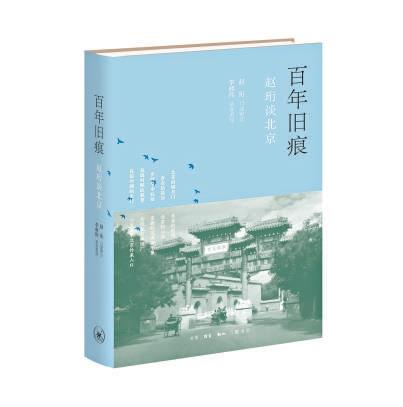
Core Viewpoint - The article discusses the economic opportunities arising from the film "Jiangyuanlong: Suspense" and its impact on the local culture and tourism industry in Shanghai, particularly in the Zhapu Road Film and Television Street, where the film was shot [1]. Group 1: Film and Cultural Impact - The film "Jiangyuanlong: Suspense" has generated significant social attention and tourism interest, especially after its official release on June 21 [1]. - The filming location, Zhapu Road Film and Television Street, has become a tourist attraction, with many visitors coming to experience the historical ambiance of the area [1]. - The film's production has led to the establishment of related businesses, such as traditional craft shops, aiming to merge traditional culture with micro-films to create a new cultural tourism industry chain [1]. Group 2: Business Development - A tailor shop owned by a traditional craftsman, Lv Fang, has adapted its business model to include costume rentals for film-related events, promoting traditional Chinese clothing like long gowns and qipaos [3][5]. - Lv Fang has transitioned from a focus on custom suits to promoting traditional attire, having created over 1,000 pieces of traditional clothing and establishing a rental service for events [5][7]. - The shop has also engaged in the "ticket root economy," offering discounts to customers who present tickets from the film festival, thus increasing foot traffic and customer interaction [8]. Group 3: Restaurant Business - A restaurant named "Chunfangyuan" has been opened by Yu Jian, who was involved in the film's production, leveraging his experience in the restaurant industry and the film's popularity to attract customers [10][12]. - The restaurant has seen a daily customer flow of approximately 300, with plans to enhance evening business by promoting night market activities [13]. Group 4: Future Development Plans - The main operator of Zhapu Road Film and Television Street, Shen Bin, aims to develop the area into a cultural and tourism hub by integrating various business types, including restaurants, retail, and film-related services [16][18]. - Shen Bin has plans to enhance the cinema experience by hosting events and performances, thus creating a multifunctional space that combines film and cultural activities [19].
他们的故事|在“酱园弄”邂逅裁缝、面馆店主和老街主理人,揭秘他们的生意经
Di Yi Cai Jing· 2025-06-22 06:44
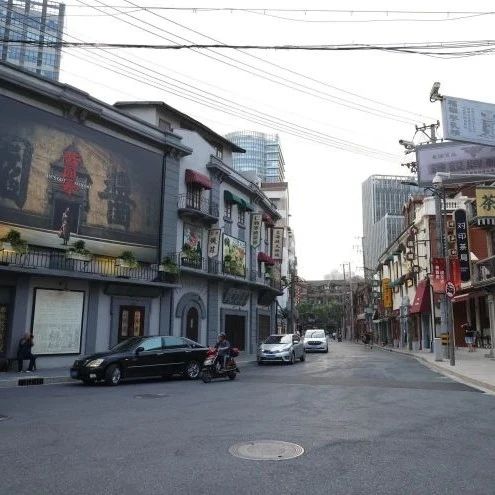
Core Viewpoint - The release of the film "Jiangyuan Alley: The Suspense Case" has significantly increased tourist traffic to Shanghai's Zhapu Road Film and Television Street, inspiring local tailors and shop owners to integrate film elements with traditional industries, exploring new opportunities for cultural tourism integration [1][4][11]. Group 1: Film Impact on Local Economy - The film's official release on June 21 has attracted numerous visitors to Zhapu Road, a street that showcases the historical aesthetics of 80 years ago [4]. - Local artisans, including tailors, are leveraging the film's popularity to extend related industries, with some traditional craftsmen opening shops to combine traditional culture with micro-films [4][10]. - The film's production has led to the preservation of props and settings in Zhapu Road, which has become a hub for film-related tourism and activities [10][20]. Group 2: Tailoring Business Transformation - Tailor Lü Fang, a red-collared tailor, has shifted his business focus from custom suits to promoting traditional Chinese clothing, creating over 1,000 pieces of long gowns and qipaos [6][7]. - Lü Fang's shop now offers costume rentals for film-related events, enhancing his business model by catering to both individual and corporate clients [8][10]. - The integration of film elements into his business has led to the idea of creating immersive micro-films for customers, further expanding his service offerings [10][11]. Group 3: Restaurant Business Development - Restaurant owner Yu Jian, who participated in the film's production, opened a noodle shop that incorporates film memorabilia and offers discounts to movie ticket holders [14][16]. - The restaurant experiences a daily foot traffic of approximately 300 customers, with plans to enhance evening business by developing a night market [16]. - Yu Jian's venture reflects the broader trend of integrating film culture into local dining experiences, capitalizing on the film's popularity [16][20]. Group 4: Film and Cultural Tourism Integration - Shen Bin, the producer of "Jiangyuan Alley: The Suspense Case," is focused on developing Zhapu Road Film and Television Street as a cultural tourism destination, incorporating various business models such as restaurants, tailoring shops, and prop rentals [18][20]. - The street has seen a surge in visitors due to promotional activities linked to the film, including discounts for ticket holders and themed events [20][23]. - Future plans include expanding the cinema's role to host cultural events and performances, further blending film with tourism and local culture [23].