中证全指建筑材料指数(931009)

Search documents
机构资金抢筹布局!标的指数展现高Beta弹性,建材ETF(159745)布局行业核心标的
Xin Lang Cai Jing· 2026-02-13 07:07
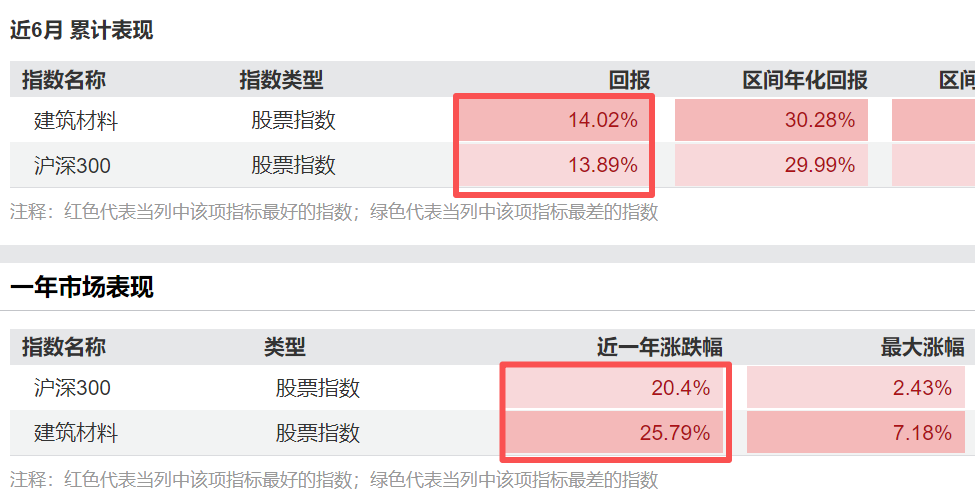
Core Viewpoint - The building materials sector is experiencing a strategic configuration window for upward resonance in both prosperity and valuation, driven by the deepening "anti-involution" policies, alleviation of cost pressures, and recovery expectations in the real estate chain [1] Policy and Industry Dynamics - The "Building Materials Industry Stabilization Growth Work Plan (2025-2026)" aims to regulate low-price disorderly competition and promote the orderly exit of backward production capacity [1] - The cement industry is transitioning from "capacity replacement" to "actual capacity and registered capacity unification," with actual clinker capacity expected to decrease from 2.1 billion tons to 1.6 billion tons, leading to a 10-15 percentage point increase in capacity utilization [1] - By April 2025, approximately 31.65 million tons of capacity had exited the national cement industry, with a net exit of 12.2 million tons, and capacity clearance is expected to accelerate by 2026 [1] Demand Recovery - A January 2026 article in "Qiushi" magazine emphasized the need to "improve and stabilize real estate market expectations," with multiple cities relaxing purchase restrictions, resulting in a 16% month-on-month and 33% year-on-year increase in second-hand housing transaction area [1] - Although new housing development is slowing, the demand for renovation, secondary decoration, and old housing transformation is increasing, prompting building material companies to shift from B-end real estate procurement to C-end retail, which offers stable cash flow and high gross margins [1] Performance of Building Materials Index - The CSI All Share Building Materials Index (931009) has shown significant advantages over mainstream broad-based indices like the CSI 300 in terms of industry exposure, cyclical elasticity, valuation cost-effectiveness, and policy sensitivity, especially as the market approaches a cyclical turning point [2] - The building materials index has outperformed the CSI 300 in both the last six months and the past year, benefiting from high beta elasticity during the economic recovery cycle [2] - The building materials index is highly sensitive to industrial policies, with actual clinker capacity reduced from 2.1 billion tons to 1.6 billion tons, while the CSI 300 lacks sufficient cyclical stock representation to reflect this supply-side change [2] Valuation and Dividend Yield - The current price-to-book ratio of the CSI All Share Building Materials Index is only 1.15%, below the 25th percentile of the past decade, with some leading cement companies' price-to-book ratios falling below 0.8, indicating that market valuations may have overly reflected pessimistic expectations [4] - The building materials index has a dividend yield exceeding 4%, significantly higher than the CSI 300's approximately 3%, with leading companies expected to continue increasing their dividend payout ratios as the "stable price and profit" framework takes shape [6] Fund Flows and Market Sentiment - Institutional consensus on left-side allocation to the building materials sector is evidenced by a gradual increase in the proportion of active equity funds held in the building materials industry since Q2 2025 [6] - Following late January 2026, there has been a noticeable increase in net inflows into the CSI All Share Building Materials Index, with the fund size tracking this index rising from 1.426 billion at the end of 2025 to 3.151 billion within two months [6] - This transition from active institutional allocation to passive market fund resonance indicates a systemic improvement in the liquidity environment for the sector [6] ETF and Investment Opportunities - The Building Materials ETF (159745) tracks the CSI All Share Building Materials Index, covering leading companies across the entire building materials industry chain, providing an efficient tool for investors to gain exposure to the sector [8] - The top ten holdings in the ETF include leading companies in various segments, reflecting a high concentration in the industry [10] - The building materials sector is positioned as a core cyclical investment, supported by demand recovery, supply optimization, and profit restoration, making it attractive for investors looking to capitalize on low valuations and high dividends [10]

跨越短周期扰动,拥抱长周期拐点!借道建材ETF(159745) 捕获"量增价稳"甜蜜期
Sou Hu Cai Jing· 2026-02-11 07:02
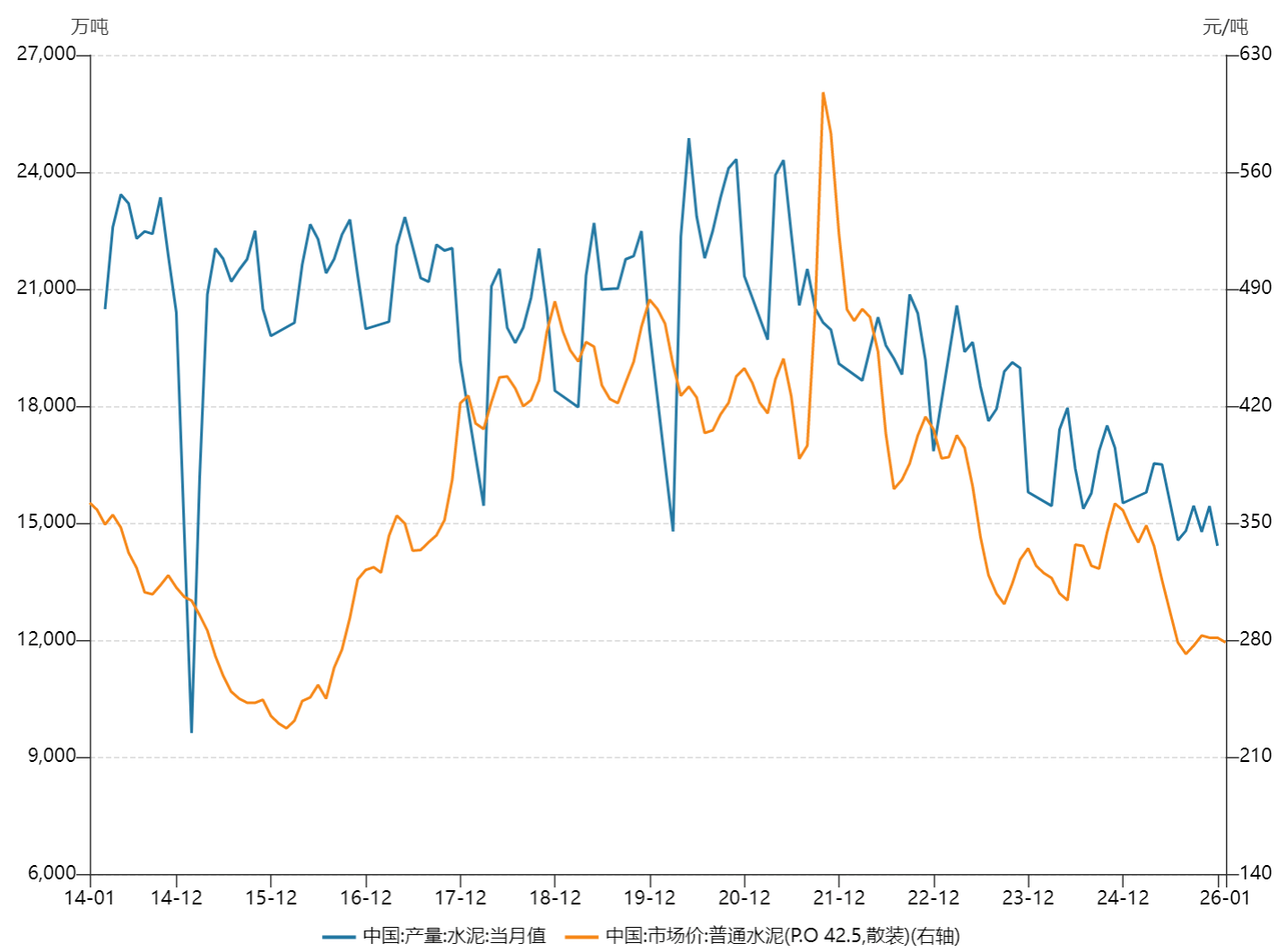
Group 1: Industry Overview - The building materials industry is a typical early-cycle sector, with its recovery often leading macroeconomic recovery confirmations. Current infrastructure investment and marginal improvements in real estate completions are driving demand, while raw material costs remain manageable, suggesting a potential "volume increase and price stability" period for the industry [1] - The cement industry is facing short-term challenges due to cold weather, which can lead to reduced production. Extreme low temperatures increase energy costs and affect equipment safety, while logistics are hindered by snow, leading to physical supply constraints [2][5] - The implementation of strict "peak-shifting production" policies in the cement industry, particularly in northern regions, results in production halts of 4-5 months during winter, with limits on production capacity exceeding 60% during the heating season [2][5] Group 2: Long-term Trends - The supply-side reform 2.0 and market restructuring are expected to benefit the building materials sector. The previous supply-side reforms from 2016-2018 reduced excess capacity, while the current market-driven clearing process is more thorough, leading to a significant increase in industry concentration [6] - The building materials industry is transitioning from "incremental competition" to "stock game," with capacity utilization rates recovering from lows, while capital expenditures remain restrained. This combination suggests stronger price elasticity and longer profit sustainability during the next upturn [6] - The inventory cycle has adjusted over three years, with both cement clinker inventory ratios and finished product inventories in the renovation and building materials sector at historically low levels, indicating that demand improvements will quickly translate to price increases [6] Group 3: Financial Metrics - The median debt-to-asset ratio for the renovation and building materials sector was 48.7% in Q3 2025, significantly lower than the real estate development sector's 72.3%, indicating stronger debt resilience and financial flexibility for building materials companies [7][10] - The financial structure of renovation and building materials companies is characterized by "light assets and low debt," providing a safety net and risk protection during economic cycles [10] Group 4: Investment Opportunities - The building materials sector has numerous sub-sectors (cement, glass, fiberglass, pipes, waterproofing, coatings), making individual stock research complex. Investing in the Building Materials ETF (159745) allows for effective risk diversification and captures overall valuation recovery in the sector [10][12] - The ETF tracks the CSI All Share Building Materials Index, covering leading companies across the entire industry chain, reflecting both cyclical elasticity and growth attributes of renovation materials, making it a convenient tool for investors looking to capitalize on cyclical trends [12] - The top ten holdings in the ETF include leading companies across various segments, indicating a concentrated representation of the industry [12]
周期底部已现,政策东风劲吹!借道建材ETF(159745)把握顺周期修复红利
Sou Hu Cai Jing· 2026-02-10 07:09
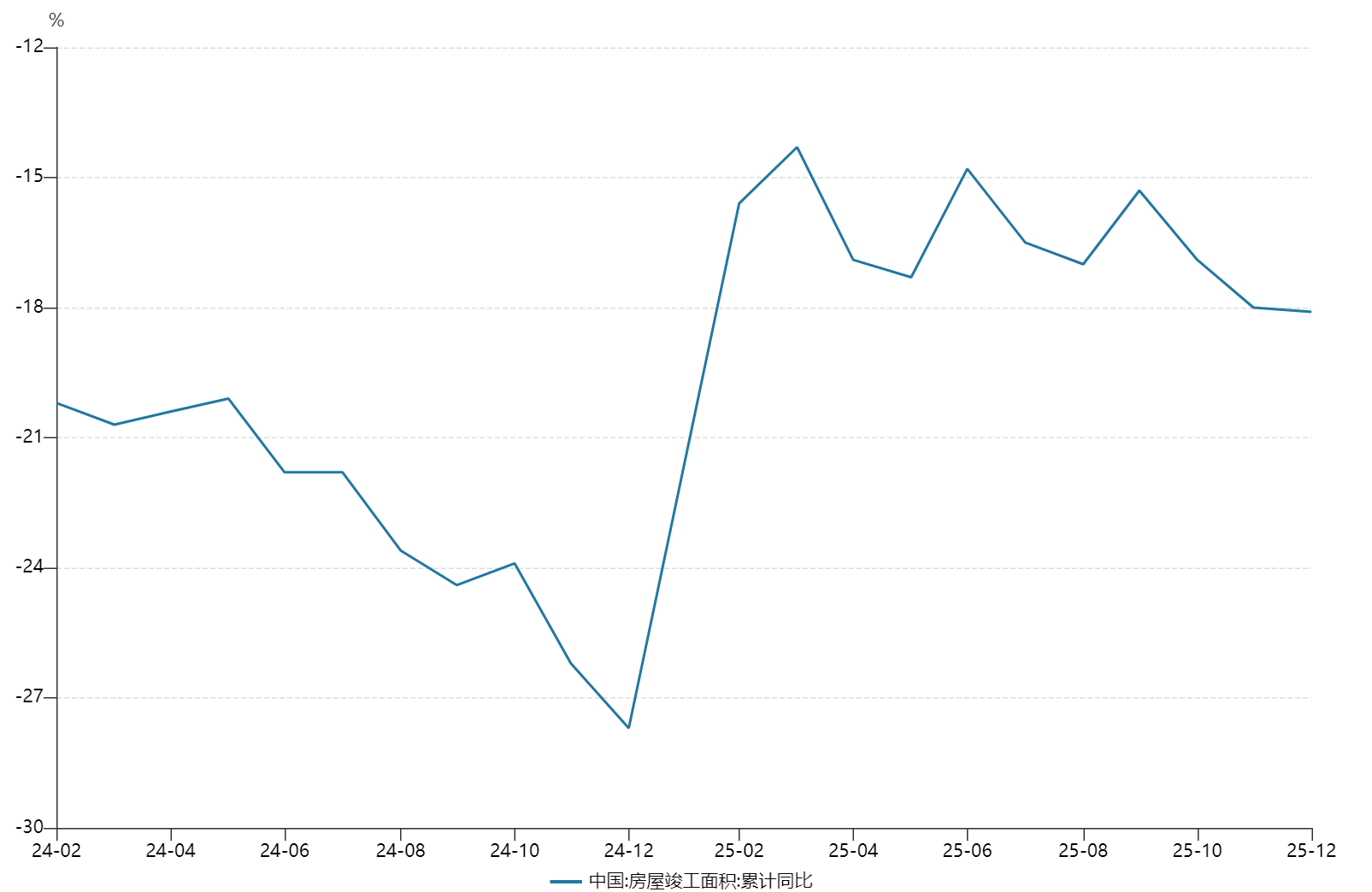
当前宏观经济运行呈现企稳复苏态势,顺周期板块正迎来估值修复的重要窗口。作为典型的早周期行业,建材板块与基建投资、房地产竣工周期及制造业资 本开支高度相关,在经济预期改善与政策组合拳的双重驱动下,其顺周期属性愈发凸显,板块配置价值值得期待。 从宏观政策基调看,2025年以来稳增长政策持续加码,财政前置发力特征明显。专项债发行提速带动基建实物工作量落地,1-2月数据显示水泥出货率已呈 现季节性回暖,显著优于去年同期水平。 更重要的是,房地产政策已从"防风险"向"促企稳"转变,各地限购限贷政策持续优化,保交楼专项资金加速投放推动竣工端回暖。由于建材需求中约60%与 地产后周期相关,竣工端修复将直接拉动玻璃、消费建材等品类需求回升。 与此同时,"三大工程"(保障性住房建设、城中村改造、"平急两用"公共基础设施建设)进入实质推进阶段,为建筑管材、防水材料等细分赛道提供增量需 求空间,有效对冲传统地产新开工的下行压力。 尤其是保交楼项目,截至2025年初,全国保交楼专项借款及白名单项目授信规模突破4万亿元,累计交付逾期项目超过300万套,交付率较政策初期提升逾40 个百分点。这一庞大存量工程的持续消化,正为建材板块构筑起 ...