
主题研学课程

Search documents
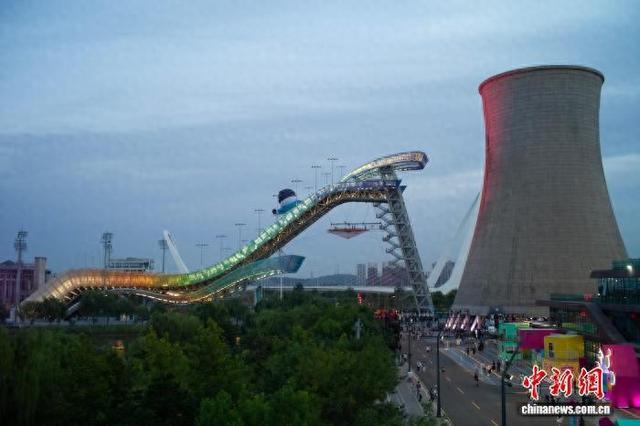
从首钢园到中轴线 “老景点”如何逛出新体验?
Zhong Guo Xin Wen Wang· 2026-01-30 09:00
Group 1 - The Beijing government aims to enhance the influence of the national cultural center by enriching the supply of quality culture and promoting the systematic protection of cultural heritage [1] - The 15th Five-Year Plan emphasizes the collaborative development of three major red cultural theme areas related to the founding of the Communist Party, the War of Resistance, and the establishment of New China [2] - There is a call for better planning and innovative exhibition methods to develop experiential projects and premium tourism routes that highlight the historical and emotional value of socialist revolutionary and construction periods [2][3] Group 2 - The focus on creating cultural theme areas should emphasize the contributions and lives of ordinary workers, scientists, and intellectuals, making history relatable and tangible [3] - The Shougang Park is recognized as a popular destination with potential for sci-fi IP development, suggesting the creation of an immersive experience corridor that transforms quality IP into light shows, themed courses, and cultural products [3] - The government report highlights the need for systematic protection of cultural heritage, proposing the creation of a national cultural relic protection demonstration zone along the central axis of Beijing [6] - There are suggestions to enhance the southern section of the central axis by integrating cultural resources and improving public services to boost urban vitality [6][7]

“蓝色引擎”加速发力 海洋旅游经济破浪前行
Zheng Quan Ri Bao· 2025-10-28 00:07
Core Insights - The article highlights the rapid growth of China's marine tourism economy, driven by policy support and industry innovation, with a focus on the opening of Qingdao Xiaoguan Island as a representative case of this trend [1][2]. Policy Coordination - The Chinese government has implemented various policies to support the marine tourism industry, including tax reductions and land use guarantees, which aim to unlock the potential of coastal tourism and promote new business models [2][3]. - Local governments are also actively developing unique marine tourism strategies, such as Shandong's focus on cruise and yacht tourism and Zhejiang's establishment of a provincial marine economy development office [3]. Regional Collaboration - Collaborative efforts among regions have enhanced the effectiveness of marine tourism development, as seen in Shandong's joint initiative to create a maritime tourism brand and Fujian's establishment of a cultural tourism circle [3][4]. - Guangdong is leveraging its extensive coastline to develop a world-class tourism destination, focusing on marine cultural heritage and diverse tourism products [3]. "Marine+" Model - The "Marine+" model is emerging as a mainstream approach, integrating various sectors to enhance visitor experiences, such as high-end customized packages and cultural experiences [6][7]. - Companies are expanding their business boundaries by creating comprehensive marine tourism offerings, combining leisure activities with cultural and educational experiences [7][8]. Addressing Development Challenges - Despite the growth, challenges such as ecological protection, infrastructure deficits, and talent shortages are hindering the transition to high-quality sustainable development in marine tourism [9][10]. - The industry faces issues of overdevelopment and insufficient ecological investment, necessitating a balance between tourism growth and environmental conservation [9][11]. Recommendations for Improvement - Experts suggest that the industry should focus on policy refinement, standardization, and mechanism enhancement to address existing challenges, including establishing a unified ecological compensation system and improving infrastructure collaboration [11][12]. - The development of a national standard for marine tourism services is recommended to elevate overall service quality and address the talent gap in the industry [11].