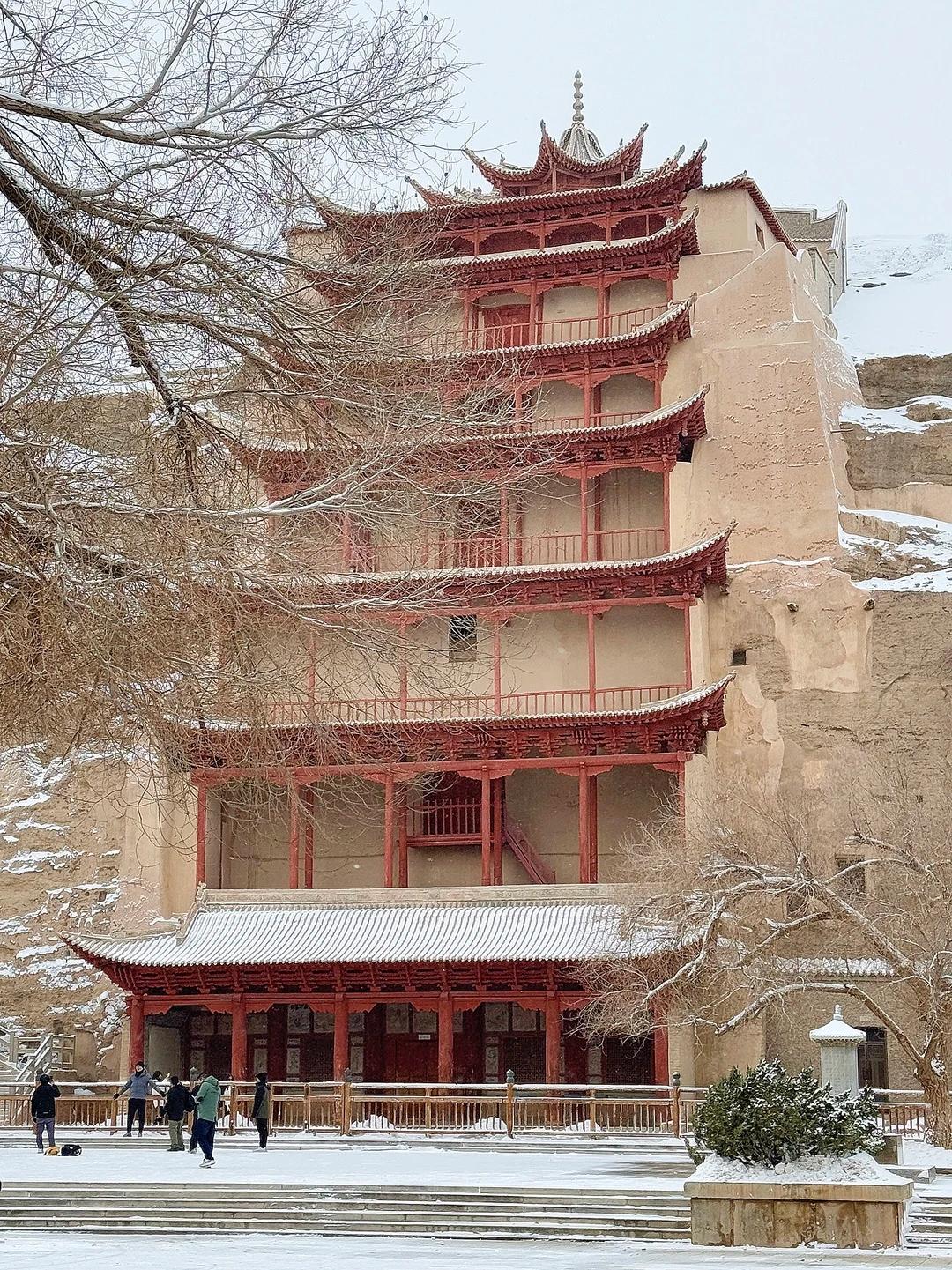
丽思卡尔顿隐世酒店

Search documents
顶奢酒店攻入下沉市场
21世纪经济报道· 2026-01-10 09:51
Core Viewpoint - The luxury hotel market in major cities like Beijing, Shanghai, Guangzhou, and Shenzhen is becoming saturated, prompting capital to shift towards less saturated markets with rich historical narratives and cultural heritage, such as Dunhuang [1]. Group 1: Market Dynamics - The investment firm, Wanzhong Holdings, has partnered with international hotel brands like Hilton and Marriott to establish luxury hotels in the northwest region of China, including brands like Waldorf, Four Seasons, and Mandarin Oriental [1][3]. - The luxury hotel segment is increasingly focusing on unique cultural experiences and natural endowments in second and third-tier cities, as evidenced by the opening of Ritz-Carlton in Dunhuang, which will be the second of its kind in China [5][8]. Group 2: Financial Performance - International hotel brands are facing challenges in the Chinese market, with Marriott reporting a 5% year-on-year revenue growth globally, but a decline in RevPAR in the Greater China region [7]. - InterContinental Hotels Group also reported a decline in RevPAR, ADR, and occupancy rates in the Greater China region, indicating a broader trend of underperformance in this market [7]. - In contrast, Hilton's global revenue increased by 6%, but recovery in the Asia-Pacific region, particularly China, has been slow [7]. Group 3: Strategic Shifts - The collaboration between local capital and international brands is becoming a clear strategy to capture scarce resources and mitigate investment risks, especially as the luxury hotel market shifts from scale and speed to boutique, destination-focused, and differentiated branding [8][9]. - The focus on culturally rich or naturally unique locations for luxury hotel projects aims to attract high-net-worth individuals seeking distinctive experiences, which may drive the next phase of growth in the industry [8].

陕西最豪高奢酒店业主,在敦煌投了我国第二家隐世
3 6 Ke· 2025-12-25 02:57
Core Insights - The article discusses the signing of a luxury hotel project, the Ritz-Carlton Reserve in Dunhuang, by Marriott and Shaanxi Wanzhong Holding Group, marking the first privately-owned Ritz-Carlton Reserve in Greater China and Wanzhong's first luxury hotel project outside Shaanxi [1][5][16]. Group 1: Project Details - The Ritz-Carlton Reserve will be located near the Mingsha Mountain and Crescent Spring scenic area, approximately 15 kilometers from the Mogao Caves, a UNESCO World Heritage site [2]. - The hotel will cover around 200 acres with a total construction area of approximately 30,000 square meters, featuring 69 luxury villas, each with a private courtyard, and three distinct dining venues [4]. - The first Ritz-Carlton Reserve in China is located near Jiuzhaigou, with starting room rates at 10,600 yuan [5]. Group 2: Company Background - Wanzhong Group is a real estate company based in Xi'an, known for its high-end hotel projects, including the Westin Hotel in Xi'an, which has 385 rooms and opened in 2018 [6][7]. - The group has plans to expand its luxury hotel portfolio, having recently signed agreements for a Mandarin Oriental hotel in Xi'an and a self-owned brand hotel called "Songjian" in Tongguan County [8][9]. Group 3: Market Trends - The luxury hotel sector is experiencing a shift, with state-owned and central enterprises becoming the main players in new high-end hotel projects, contrasting with the previous dominance of real estate companies [27][30]. - The investment focus in luxury hotels is transitioning from real estate-driven projects to cultural tourism and destination cities, reflecting changing market demands [31]. Group 4: Strategic Implications - Wanzhong Group's investment in the Dunhuang luxury hotel project signifies a strategic move to explore opportunities in the northwest region of China, indicating a proactive approach by Shaanxi capital [16][21]. - The group's commitment to high-end hotel development aligns with a broader trend of significant capital investment in luxury hospitality, which is seen as a stable long-term investment [20][22].