云南普洱

Search documents
“宁夏枸杞”“云南普洱”“阳澄湖大闸蟹”……原产地为何成“金字招牌”?
Jing Ji Ri Bao· 2025-12-28 09:29
Core Insights - The article emphasizes the importance of origin labels in enhancing product value, as consumers are often willing to pay a premium for products that highlight their unique geographical and cultural backgrounds [1][2][3] - The establishment of a robust traceability system and strict quality standards allows products to escape low-price competition, leading to a positive cycle of recognition, supply chain upgrades, and economic growth in the origin areas [2][3] Group 1 - Unique geographical advantages, such as climate and soil conditions, contribute to the distinctiveness of products like Yantai apples and Wuyi rock tea, which enhances their market identity [1] - Traditional craftsmanship and techniques, such as the curing methods of Jinhua ham and the fermentation secrets of Pixian bean paste, serve as core competitive advantages for these products [1] - A rigorous traceability system, including geographical indication product certification, ensures that the concept of "origin" is clear and verifiable, reinforcing quality commitments [1][2] Group 2 - The recognition of high-quality products like Ningxia goji berries and Yunnan Pu-erh tea helps to promote the names of these regions, leading to industry upgrades and improved agricultural infrastructure [2][3] - The economic benefits from market recognition can lead to sustainable funding returns, fostering related industries such as rural tourism and deep processing of agricultural products [2] - The mutual reinforcement between local products and their origins creates a strong value connection, enhancing both economic and cultural significance for the regions involved [3]
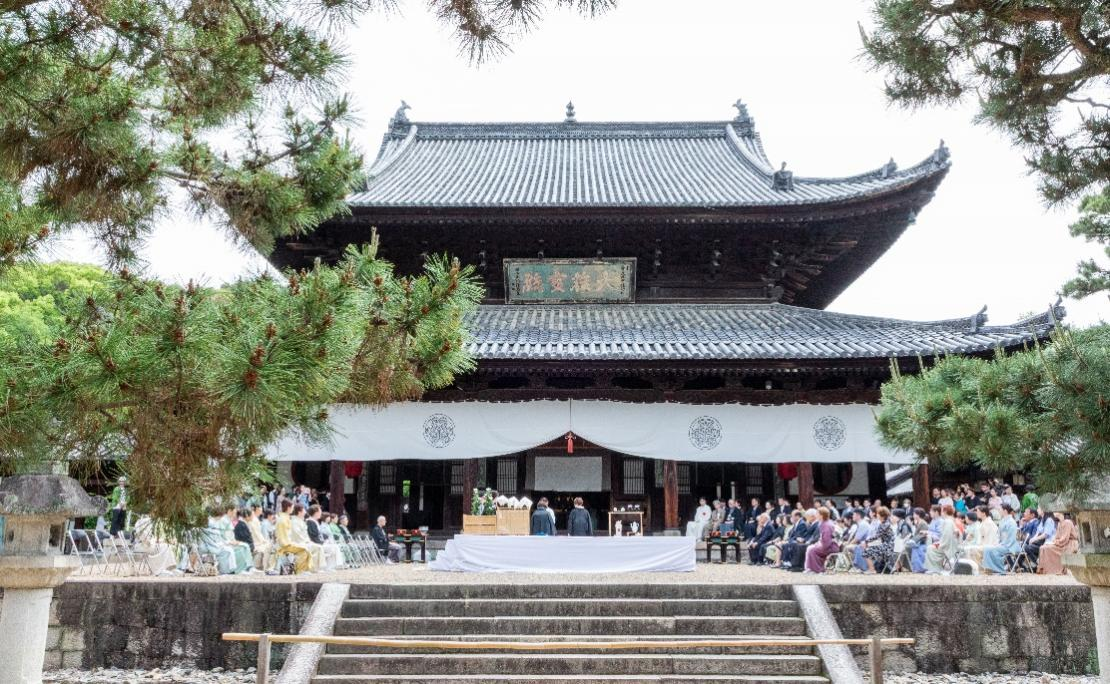
“茶和天下·雅集”走进京都万福寺
人民网-国际频道 原创稿· 2025-05-19 09:13
Core Viewpoint - The "Tea and the World: Elegant Gathering" event successfully took place at the historic Obaku Mountain Manpuku-ji Temple in Kyoto, Japan, coinciding with the annual Japanese Sencha Association conference, showcasing a cross-cultural exchange centered around tea [1][12]. Group 1: Event Overview - The event featured various sencha schools setting up tea stations within the temple, highlighting the unique art of sencha [1]. - A special "Chinese Tea Experience Exhibition Area" was established, where tea masters demonstrated the brewing of high-quality teas from different regions of China, inviting Japanese guests to immerse themselves in the diverse tea cultures [2]. - The exhibition included a "Tea and the World Boutique Travel Routes" display, showcasing 14 classic tea travel routes in China, connecting tea culture with natural scenery [3]. Group 2: Audience Engagement - Promotional materials such as the "Tea and the World" travel brochure and Chinese tourism maps were distributed, generating significant interest among Japanese attendees who expressed a desire to explore Chinese tea culture [5]. - An ancient Chinese game, "Touhu," was set up for guests to experience, attracting participation from both adults and children, creating a lively atmosphere [6][9]. - A team from Luoyang, Henan, performed a captivating dance titled "Dragon Gate King," which drew attention and showcased the blend of strength and grace [8]. Group 3: Cultural Exchange - The event featured a presentation of 14 replica court tea utensils based on artifacts unearthed from the Famen Temple, demonstrating ancient tea preparation methods as described in Lu Yu's "The Classic of Tea" [11]. - The gathering aimed to deepen connections with the Japanese tea community and promote Chinese tea culture through a multifaceted cultural event that included tea tasting, art appreciation, and travel promotion [12][13].