
金华火腿

Search documents
年货市场持续升温“拉满”新春氛围感 特色活动“文化味”浓打造视听盛宴
Yang Shi Wang· 2026-02-13 03:49
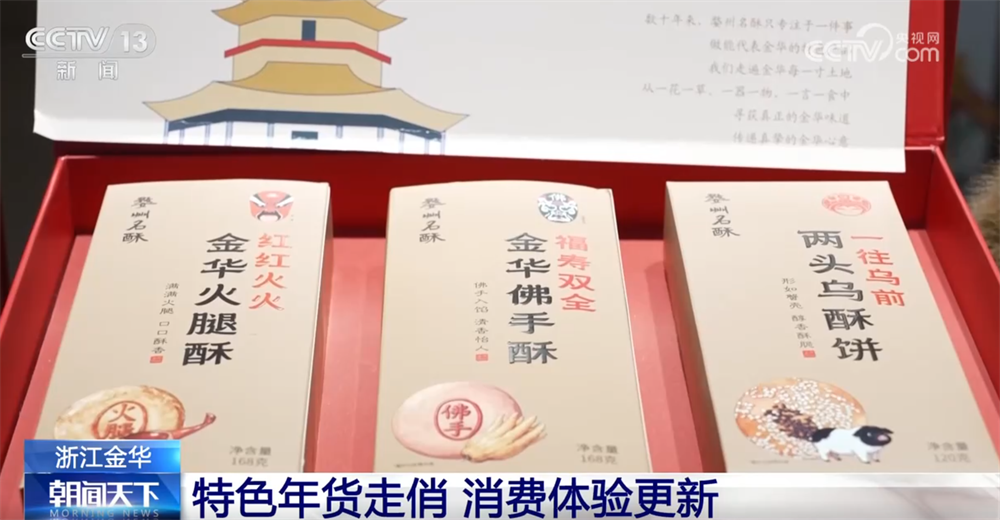
Group 1 - The annual goods market in Zhejiang is experiencing a surge in sales, particularly in Jinhua, where specialty products like crispy pastries and ham are popular among consumers, especially themed gift boxes for the Year of the Horse [1][3][4] - Jinhua ham is a preferred choice for many citizens and tourists during the New Year shopping season, with special Year of the Horse cultural-themed gift boxes attracting significant consumer interest [4] Group 2 - In Tangshan, Hebei, the Daodi Market has officially opened, offering not only popular New Year goods but also interactive experiences such as a humanoid robot writing the character "Fu" [5][10] - The market features a dedicated area for local agricultural products, showcasing items like sweet potatoes and double-yolk eggs, which have gained consumer favor [8] - The market also includes cultural performances such as dragon and lion dances, enhancing the festive atmosphere [10] Group 3 - In Beijing, various municipal parks have completed their New Year decorations, with the Temple of Heaven Park featuring numerous festive displays and a creative market selling handmade and cultural products [11][14] - The parks have installed nearly 40,000 lanterns and set up 64 themed displays, along with launching 51 new cultural products for the New Year [14] - During the Spring Festival, Beijing parks plan to host over 100 themed activities, inviting citizens and tourists to celebrate the New Year together [17] Group 4 - On the G3754 train from Hangzhou to Hohhot East, cultural performances are being held to enhance the festive spirit for travelers, including traditional music and dance [18][20] - The train is decorated with festive items like "Fu" characters and couplets, contributing to a celebratory atmosphere [18] - The cultural performances are part of a broader initiative by the Ulan Muqi troupe to deliver New Year blessings to travelers during peak travel times [20]

京东年货消费观察:浙江特产、山东特产、辽宁特产热度高
Sou Hu Cai Jing· 2026-02-11 16:27
Core Insights - The article highlights the significant increase in cross-regional orders for traditional Chinese New Year goods, with overall sales growth of nearly 200% since the start of the festival season [2][5]. Group 1: Cross-Regional Trends - The flow of New Year goods across regions has accelerated, with cities like Guangzhou, Beijing, and Shanghai being major sources of orders, while cities like Hefei and Jinan are key receiving locations [2][8]. - Products such as gift boxes, health supplements, and smart devices are becoming popular, with sales of smart toilets and watch gift boxes increasing over tenfold [3][9]. Group 2: Local Specialty Products - Local specialties have seen a remarkable sales increase of over 140%, with Zhejiang specialties leading at a 571% growth rate [10][12]. - Consumers are increasingly purchasing local specialties from different regions, indicating a strong cross-regional consumption pattern [10][12]. Group 3: Consumer Preferences - Consumers prioritize unique flavors and authenticity when selecting local specialties, with 56.6% valuing distinctive taste as the top consideration [4][13]. - The trend shows a shift towards products with clear geographical identification and cultural significance, reflecting a deeper emotional connection to the items purchased [4][13]. Group 4: Traditional Brands - Traditional brands are experiencing a revival, with products from well-known brands like Huang Shang Huang and Tao Tao Ju becoming popular choices for New Year gifts [14][15]. - Emotional connections and nostalgia play a significant role in consumer choices, with many seeking to recreate childhood memories through traditional foods [17].

京东消费观察看“流动的年货”:异地年货订单同比增长近2倍,合肥、济南、东莞等地收到更多外省包裹
Zhong Jin Zai Xian· 2026-02-11 09:22
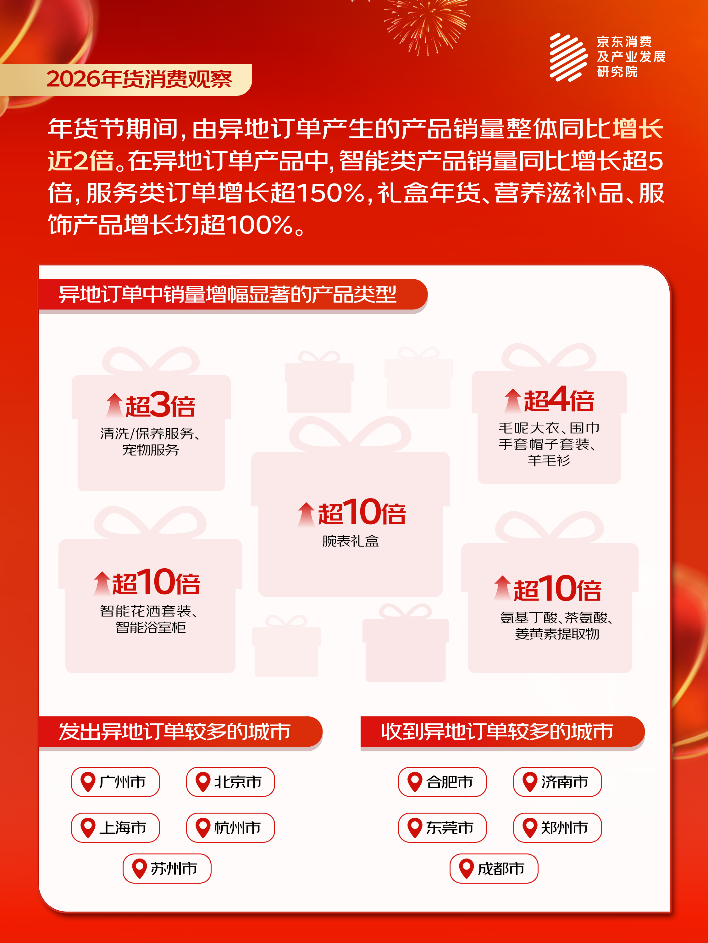
Core Insights - The article highlights the significant increase in cross-regional orders for traditional Chinese New Year goods, with overall sales growth of nearly 200% since the start of the festival season [4][6] - The trend reflects a shift in consumer behavior, where younger generations are sending not only traditional foods but also modern products and services to their families, indicating a blend of cultural heritage and contemporary lifestyle [2][8] Group 1: Cross-Regional Order Trends - Cross-regional orders have seen a nearly 200% increase in product sales, with specific regions like Tibet, Xinjiang, and Yunnan experiencing over 300% growth in order volume [4][6] - Major cities such as Guangzhou, Beijing, and Shanghai are the primary sources of these orders, while cities like Hefei, Jinan, and Zhengzhou are the main recipients [6][9] Group 2: Product Categories and Consumer Preferences - The diversity of products in cross-regional orders has expanded from traditional foods to include smart products and health supplements, with smart toilets and watch gift boxes seeing sales growth exceeding 1000% [2][8] - Local specialties have also gained traction, with overall sales growth of over 140%, particularly in Zhejiang, which saw a 571% increase [9][12] Group 3: Consumer Motivations and Cultural Significance - Consumers prioritize unique flavors and authenticity when selecting local specialties, with 56.6% emphasizing the importance of "authentic taste" [3][11] - The emotional connection to traditional foods and the desire to share these experiences with family are significant motivators for purchasing [15]
不囤肉、找特产 肉品年货迎来新需求
Xin Jing Bao· 2026-02-11 08:44
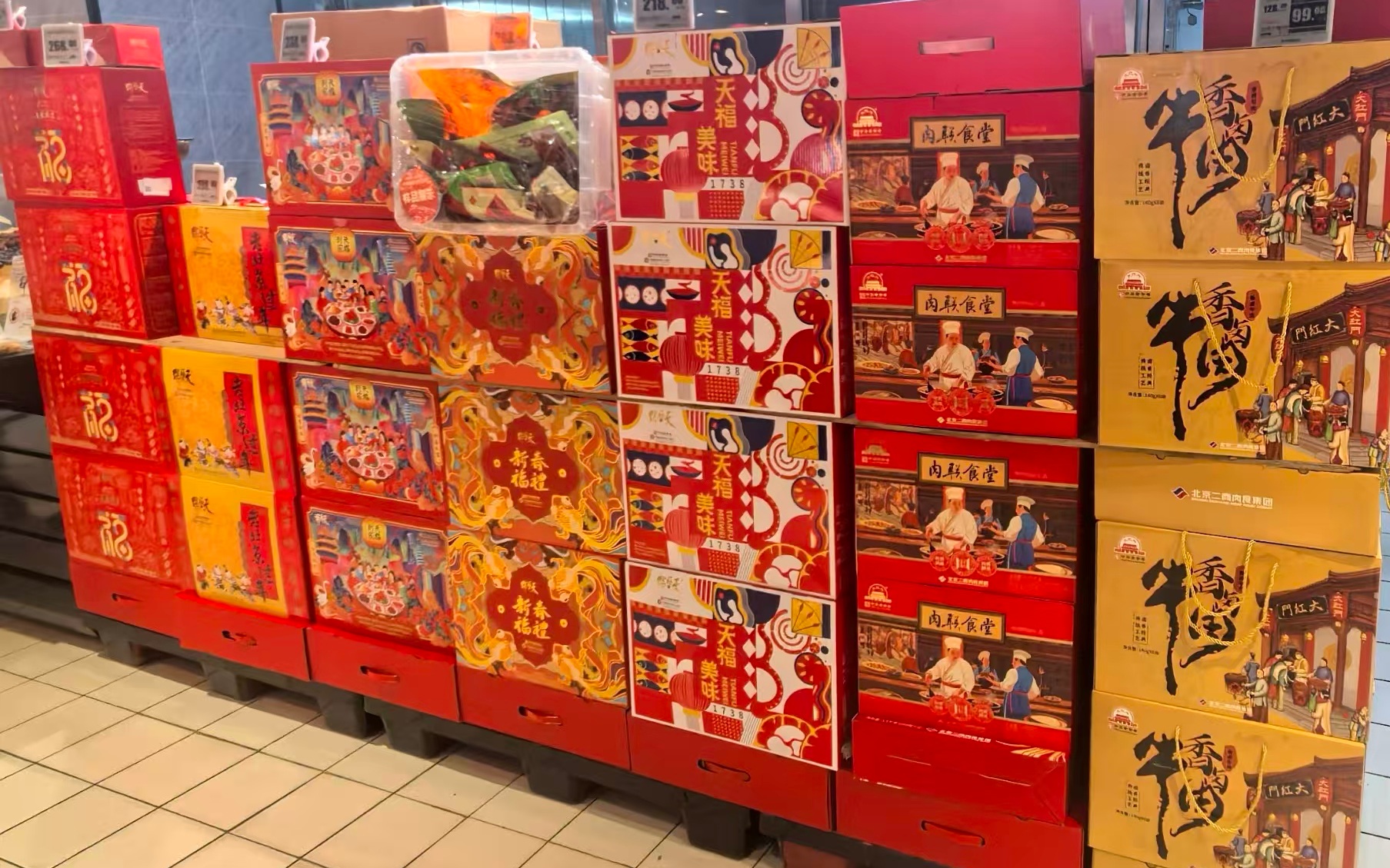
Core Insights - The meat product market for the upcoming Spring Festival is undergoing significant changes, with a shift towards regional specialties and a focus on fresh consumption rather than bulk buying, particularly among the younger generation [1][2][3] Group 1: Consumer Behavior - The younger generation, particularly those born after 2000, is moving away from bulk purchasing of meat products, opting instead for fresh, immediate consumption [2][3] - Consumers are reassessing the "preparation cost" associated with the Spring Festival, leading to a preference for purchasing only what is needed for the short holiday period [2][3] - The trend of not stockpiling is supported by stable supply channels, allowing consumers to buy quality meat products as needed [3] Group 2: Supply Chain and Retail Strategies - Tyson Foods has prepared for the traditional sales peak before the Spring Festival by doubling its inventory across the country, particularly in East China [3] - Retailers like Shouheng Group and Wumart have activated supply assurance systems and promotional activities to ensure a steady supply of goods during the holiday [3][4] - Wumart's promotional activities, such as "Crazy 4:30," cater to consumer needs for fresh ingredients and holiday supplies, enhancing convenience and efficiency [4] Group 3: Product Trends and Preferences - There is a growing consumer interest in regional specialties and traceability in food products, with a focus on freshness and quality control [5][6] - The demand for unique and high-quality regional products is driving brands to collaborate with suppliers that have verified quality standards [6][7] - Meat snack gift boxes are increasingly emphasizing auspicious themes, with packaging designed to convey good fortune, reflecting a shift in consumer preferences towards meaningful gifting [8][9] Group 4: Market Competition and Brand Strategy - The competition in the meat product market has shifted from price wars to value-driven strategies, where brands need to establish flavor differentiation and cultural resonance [9] - Brands are focusing on emotional communication through product design and marketing narratives to enhance customer loyalty and repeat purchase intentions [9]
不囤肉、找特产 肉品年货迎来新需求丨年货新趋势
Bei Ke Cai Jing· 2026-02-11 08:42
Core Insights - The meat product market for the upcoming Spring Festival is undergoing significant changes, with a shift towards regional specialties and a focus on fresh consumption rather than bulk buying, particularly among the younger generation [1][5][19] Group 1: Consumer Behavior - Younger consumers, particularly those born after 2000, are moving away from bulk purchasing of meat products, opting instead for fresh purchases as needed, reflecting a more rational consumption approach [5][6] - The trend of not stockpiling is supported by stable supply channels, with companies like Tyson Foods preparing for the peak sales period by doubling inventory levels [6][9] - Consumers are increasingly evaluating the "preparation costs" associated with stockpiling, leading to a preference for fresh purchases during the short holiday period [5][10] Group 2: Market Trends - The demand for regional specialties and traceability in food products is rising, with consumers showing interest in the origin and quality of meat products [9][12] - The packaging of meat snacks is increasingly emphasizing auspicious themes, with "wealth" becoming a popular concept in product design, reflecting cultural significance [13][19] - Sales of meat gift boxes featuring "wealth" themes have surged, with transaction volumes increasing by 90% year-on-year, indicating a shift in consumer preferences towards products that convey good fortune [19][20] Group 3: Company Strategies - Companies like Shouheng Group and Wumart have activated supply assurance systems and promotional activities well in advance of the festival to ensure stable prices and abundant supplies [7][8] - Brands are focusing on creating unique product offerings that resonate with cultural values, moving from price competition to value competition, enhancing brand loyalty and consumer engagement [20]
把更多产业链变成致富链
Xin Lang Cai Jing· 2026-02-09 22:25
Core Insights - The concept of "quality and price" is emphasized as a means to encourage consumers to pay a premium for quality and uniqueness, rather than merely increasing prices [2][5] - The agricultural sector is experiencing a significant increase in income for farmers, with rural residents' per capita disposable income projected to reach 24,456 yuan in 2025, reflecting a 6.0% growth [3] - Successful agricultural models in provinces like Zhejiang and Guangdong focus on enhancing brand value and expanding market reach, moving beyond traditional farming practices [4][5] Group 1: Agricultural Income and Models - Jiangxi Province's agricultural leader, Ling Jihua, distributed 21.29 million yuan as year-end bonuses to farmers, showcasing a successful model that combines high yield and low cost [2] - The average annual income increase for farmers during the "14th Five-Year Plan" period is approximately 1,500 yuan, marking it as a peak period for income growth [3] - The income growth rate for farmers has slowed from around 10% to approximately 6%, indicating a need for new strategies to sustain growth [3] Group 2: Regional Agricultural Strategies - Zhejiang's "土特产富" initiative aims to enhance the value of local specialties through a comprehensive development approach, exemplified by the successful two-headed black pig industry chain [4] - Guangdong's innovation in agricultural products, such as the development of frozen lychee, demonstrates the potential of technology to enhance product value and marketability [5] - Both provinces are focusing on restructuring the value of local specialties through brand development, market alignment, and industry integration, creating a seamless value chain from production to consumption [5]

中国蓝观察丨中央一号文件中的浙江元素
Xin Lang Cai Jing· 2026-02-04 12:21
Core Viewpoint - The 2026 Central Document emphasizes the importance of agricultural modernization and rural revitalization, highlighting the "Ten Thousand Projects" as a guiding experience for national strategy [1][4][30]. Group 1: Ten Thousand Projects - The "Ten Thousand Projects" has been included in the Central Document for three consecutive years, reflecting the Party's strong commitment to rural revitalization [4][29]. - The essence of the "Ten Thousand Projects" lies in localized, gradual, and systematic governance, which has been reiterated in the 2026 document [5][30]. - Originating in Zhejiang, the "Ten Thousand Projects" has evolved from environmental improvement to comprehensive rural revitalization over the past 20 years [7][32]. Group 2: County-Level Industries - The 2026 Central Document calls for the cultivation and expansion of county-level industries to enhance rural prosperity, aligning with Zhejiang's "local specialty wealth" model [11][36]. - It emphasizes the integration of technology, green agriculture, quality agriculture, and brand agriculture to promote deep integration of rural industries [11][36]. Group 3: Agricultural Entrepreneurs - The term "agricultural entrepreneurs" appears for the first time in the 2026 document, highlighting the need to cultivate local industry leaders and governance talents [16][41]. - Since 2015, Zhejiang has focused on nurturing a young, professional, and knowledgeable workforce of agricultural entrepreneurs, with over 108,000 trained by 2025 [18][43]. - The next steps include deepening the training of agricultural entrepreneurs to facilitate resource flow and contribute to common prosperity [20][45]. Group 4: Fengqiao Experience - The "Fengqiao Experience," a grassroots governance model originating in Zhejiang, has been incorporated into the Central Document, signifying its elevation to national policy [21][46]. - This model emphasizes resolving conflicts locally and has become a significant experience in China's grassroots governance [22][49]. - The inclusion of the "Fengqiao Experience" in the 2026 document reflects its ongoing relevance and integration into the broader goals of a "Safe China" and "Rule of Law China" [25][50]. Group 5: Overall Implications - The Central Document serves as a comprehensive policy guide, reflecting the evolution of rural revitalization strategies from local initiatives to national policies [27][52]. - The experiences from Zhejiang are expected to provide valuable insights and sustained momentum for China's agricultural modernization efforts [27][52].

“金名片” 培育近万亿元“大产业”
Xin Lang Cai Jing· 2026-01-29 18:45
Core Insights - The geographical indication (GI) products in China have reached an annual output value close to 1 trillion yuan, marking five consecutive years of growth [1] - By the end of October 2025, China will have recognized a total of 5,066 GI products and approved over 52,000 entities to use GI special marks [1] Group 1: Brand Effect - GI certification provides a national "identity card" for local products, protecting brands and helping them access broader markets [1] - The brand value of "Zengcheng Simao Rice" in Guangdong has exceeded 5 billion yuan, with over 150 GI-related trademarks registered in the province [2] Group 2: Technology-Driven - Various regions are leveraging technology to enhance GI products, including mechanized sowing, green planting techniques, and smart production lines [3] - The "Ruichang Black Sesame" in Jiangxi has implemented a "technology courtyard" in collaboration with agricultural experts to improve yield and develop innovative products [3] Group 3: Expanding Beyond Raw Materials - Regions are moving from merely selling raw materials to extending the industrial chain, integrating cultural tourism and deep processing to create higher added value [4] - For instance, "Baoshan Small Grain Coffee" in Yunnan has developed coffee estates and processing workshops, promoting a "coffee + cultural tourism" model [4] Group 4: Economic Development - GI products are recognized as a "golden business card" for distinctive industries, effectively contributing to regional economic development [5] - The National Intellectual Property Administration plans to establish national GI protection demonstration zones and implement strategies to promote trademark branding and GI utilization [5]
地理标志“金名片”培育近万亿元“大产业”
Xin Lang Cai Jing· 2026-01-23 22:57
Core Insights - The geographical indication (GI) products in China have reached an annual output value close to 1 trillion yuan, marking five consecutive years of growth [1] - By the end of October 2025, China is expected to have recognized a total of 5,066 GI products and approved over 52,000 entities to use GI special marks [1] Group 1: Brand Development - The brand value of "Zengcheng Simao Rice" in Guangzhou has exceeded 5 billion yuan, showcasing the potential of GI products to transform local specialties into major brands [2] - More than 150 GI products have been registered as certification and collective trademarks in Guangdong province, facilitating their entry into markets across the Guangdong-Hong Kong-Macao Greater Bay Area and beyond [2] Group 2: Technological Innovation - Various regions are leveraging technology to enhance GI products, with advancements such as mechanized sowing, green planting techniques, and smart production lines improving efficiency and sustainability [3] - The establishment of "technology courtyards" and digital management systems in regions like Ruichang City and West Lake Dragon Well is driving modernization and traceability in production processes [3] Group 3: Value Chain Expansion - Many regions are moving beyond merely selling raw materials to extending their value chains through integration with tourism, deep processing, and cross-industry innovation [4] - For instance, the "Baoshan Small Grain Coffee" GI product in Yunnan has led to the development of coffee estates and processing workshops, promoting a "coffee + tourism" model [4] - The "Enshi Potato" in Hubei has diversified into high-end raw materials, while Fujian's "Fuding White Tea" has introduced innovative product combinations to meet new consumer demands [4]
五连增!地理标志“金名片”培育近万亿元“大产业”
Zhong Guo Jin Rong Xin Xi Wang· 2026-01-23 12:19
Core Insights - China's geographical indication products have reached an annual output value close to 1 trillion yuan, marking five consecutive years of growth [1] - By the end of 2025, China is expected to have recognized 5,066 geographical indication products and approved over 52,000 entities to use geographical indication trademarks [1] Group 1: Brand Effect - Geographical indication certification provides a national "identity card" for local products, protecting brands and helping them access broader markets [1] - The brand value of "Zengcheng Simao Rice" has exceeded 5 billion yuan, showcasing the potential of geographical indication products [2] Group 2: Technological Innovation - Various regions are leveraging technology to enhance geographical indication products, including mechanized sowing, green planting techniques, and smart production lines [3] - The "Ruichang Black Sesame" production process has become increasingly technology-driven, with collaborations for scientific breeding and innovative product development [3] Group 3: Industry Chain Expansion - Regions are moving beyond merely selling raw materials to extending into the entire industry chain, creating higher added value through integration with tourism and deep processing [4] - The "Baoshan Small Grain Coffee" geographical indication product has led to the development of coffee estates and processing workshops, promoting a "coffee + tourism" model [4] - The "Enshi Potato" has diversified into high-end raw materials, while "Fuding White Tea" companies have introduced new product combinations to meet changing consumer demands [4]