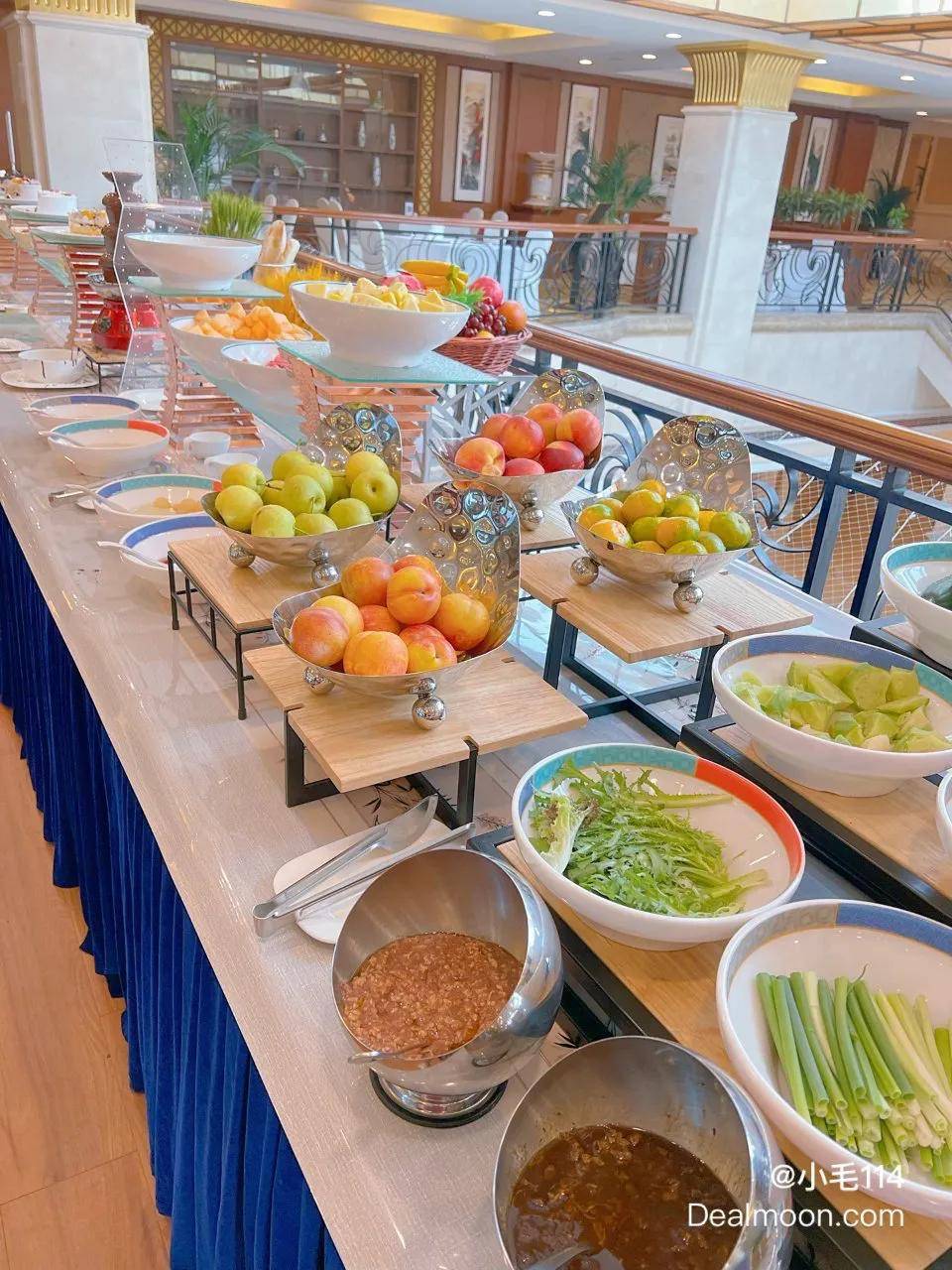
五星级酒店剩菜盲盒

Search documents
高端酒店集体“下凡”:一顿剩菜揭开消费降级真相
Sou Hu Cai Jing· 2025-12-12 15:25
Group 1 - The core point of the article highlights the trend of five-star hotels selling leftover food in blind boxes, reflecting a significant shift in consumer behavior and the hospitality industry's struggle for survival amid economic downturns [1][19][21] - The number of five-star hotels in China has decreased from 845 to 736 between 2019 and 2024, a decline of nearly 13%, with high-end hotels facing closures or ownership changes [3][21] - The rise of budget hotels has been notable, with 23,000 new hotels and 1 million rooms opening in the first half of 2024, indicating a shift towards more affordable accommodation options [3][21] Group 2 - The operational costs for five-star hotels remain high despite declining patronage, including expenses for renovation, rent, labor, and ingredients, leading to financial strain [4][17] - The self-service buffet model has become unsustainable, with food waste rates reaching 25-30% in high-end hotels, prompting the need to sell leftovers to mitigate losses [6][7][8] - The blind box sales, priced between 79 to 99 yuan, are a response to decreased demand for traditional dining experiences, indicating a broader trend of consumer downgrading [10][12][14] Group 3 - The increasing popularity of blind boxes suggests that fewer customers are willing to pay full price for dining experiences, highlighting a shift in consumer spending habits [13][14] - The phenomenon of five-star hotels selling leftovers is seen as a dilution of brand value, with potential long-term implications for the luxury hospitality sector [17][21] - The article emphasizes that the current situation is not just a problem for individual hotels but reflects a societal trend towards reduced spending and a more pragmatic approach to luxury [19][23]

颜廷利教授解读:五星级酒店40元剩菜盲盒背后的消费逻辑与时代隐喻
Sou Hu Cai Jing· 2025-11-11 16:40
Core Insights - The emergence of blind box dining experiences, such as the 40 yuan dinner box at Hangzhou Guoshou Junlan Hotel, reflects a deeper transformation in contemporary Chinese consumer society, representing a marketing breakthrough and a social experiment in "value reconstruction" [1][2] Group 1: Blind Box Economy - The traditional blind box economy, centered around "unknown surprises," has evolved into a paradigm shift from entertainment consumption to survival wisdom, as evidenced by the 40 yuan blind box containing high-end food items like hairy crabs and roasted ducks [2][5] - The data indicates that over 200 blind boxes were sold in the first week of the promotion, with 65% of buyers being young white-collar workers aged 25-35, who are forming a unique subculture of "smart consumers" on social media [2][4] Group 2: Surplus Value and Environmental Ethics - The concept of "surplus" has transformed from an economic term to a practice of environmental ethics, with the hotel converting an 18% food waste rate into sellable products, reducing carbon emissions by 2.57 kg per box, equivalent to saving 250 disposable chopsticks [5][6] - The Hilton Hotel in Shenzhen exemplifies this with a 79 yuan blind box containing a 200 yuan buffet, utilizing a strict time window for collection to ensure freshness and create scarcity, merging environmental actions with consumer enjoyment [5][6] Group 3: Spatial Politics - The introduction of blind boxes is reshaping the spatial politics of high-end hotels, compressing traditional hierarchical consumption into a more accessible format, as seen in the 28 yuan lunch box at Shanghai Hongqiao Accor Hotel, allowing consumers to mix and match dishes [5][6] - The Zhengzhou Yonghe Earl International Hotel's 19.9 yuan lunch box allows consumers to maximize food within limited space, representing a micro-practice of spatial justice that is more persuasive than political declarations [6] Group 4: Consumer Revolution - The blind box phenomenon is part of an ongoing consumer revolution in China, challenging traditional consumption values and prompting a re-examination of the essence of value in a materially abundant society [6]