人工智能气象模型

Search documents
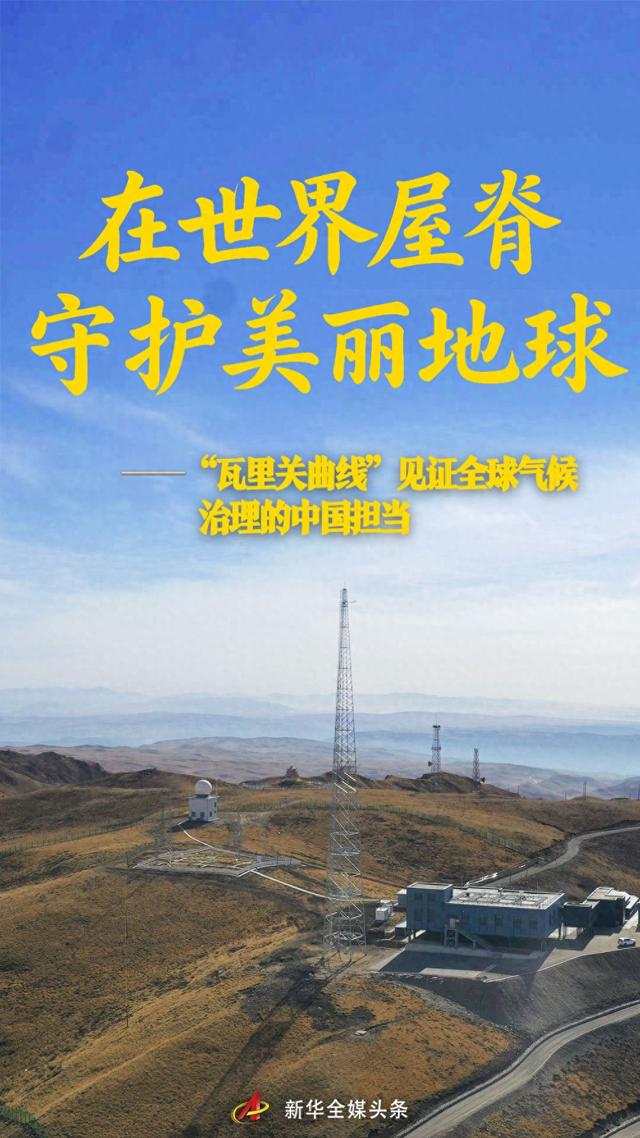
“瓦里关曲线”见证全球气候治理的中国担当
Xin Hua She· 2026-02-03 02:03
Core Viewpoint - The Wari Pass Global Atmospheric Background Station, located at an altitude of 3,816 meters on the Tibetan Plateau, has been operational for over 30 years, providing crucial data for global climate change research and is now protected by local regulations effective February 1, 2026 [3][10]. Group 1: Scientific Value and Observations - The Wari Pass Station has accumulated long-term atmospheric CO2 concentration data, creating the "Wari Pass Curve," which aligns closely with observations from the Mauna Loa Observatory in Hawaii, indicating a consistent rise in greenhouse gas concentrations globally [4][7]. - The station's establishment in the 1990s filled a critical gap in the global atmospheric observation network, particularly for inland areas, and has since become a key site for greenhouse gas monitoring in China [5][7]. Group 2: Environmental Protection and Sustainability - To ensure the accuracy and sustainability of observations, Qinghai Province has implemented protective measures around the Wari Pass Station, including the establishment of an 80-acre protection zone to control potential pollution sources [10]. - The new regulations will integrate meteorological environment protection into land use planning, reinforcing the commitment to ecological preservation while supporting the station's operations [10]. Group 3: Contribution to Climate Governance - The Wari Pass Station is part of a broader national network of atmospheric observation stations in China, which includes one global background station and over 120 greenhouse gas monitoring stations, contributing to the "China Greenhouse Gas Bulletin" [13]. - China's carbon emissions increased by approximately 0.6% in 2024, a slower growth rate compared to the global average of 0.8%, indicating progress in managing emissions [13]. - The station's data is vital for assessing China's climate action effectiveness and supports international climate governance efforts, with China actively participating in global climate discussions and initiatives [19].

在世界屋脊守护美丽地球
Xin Lang Cai Jing· 2026-01-31 18:30
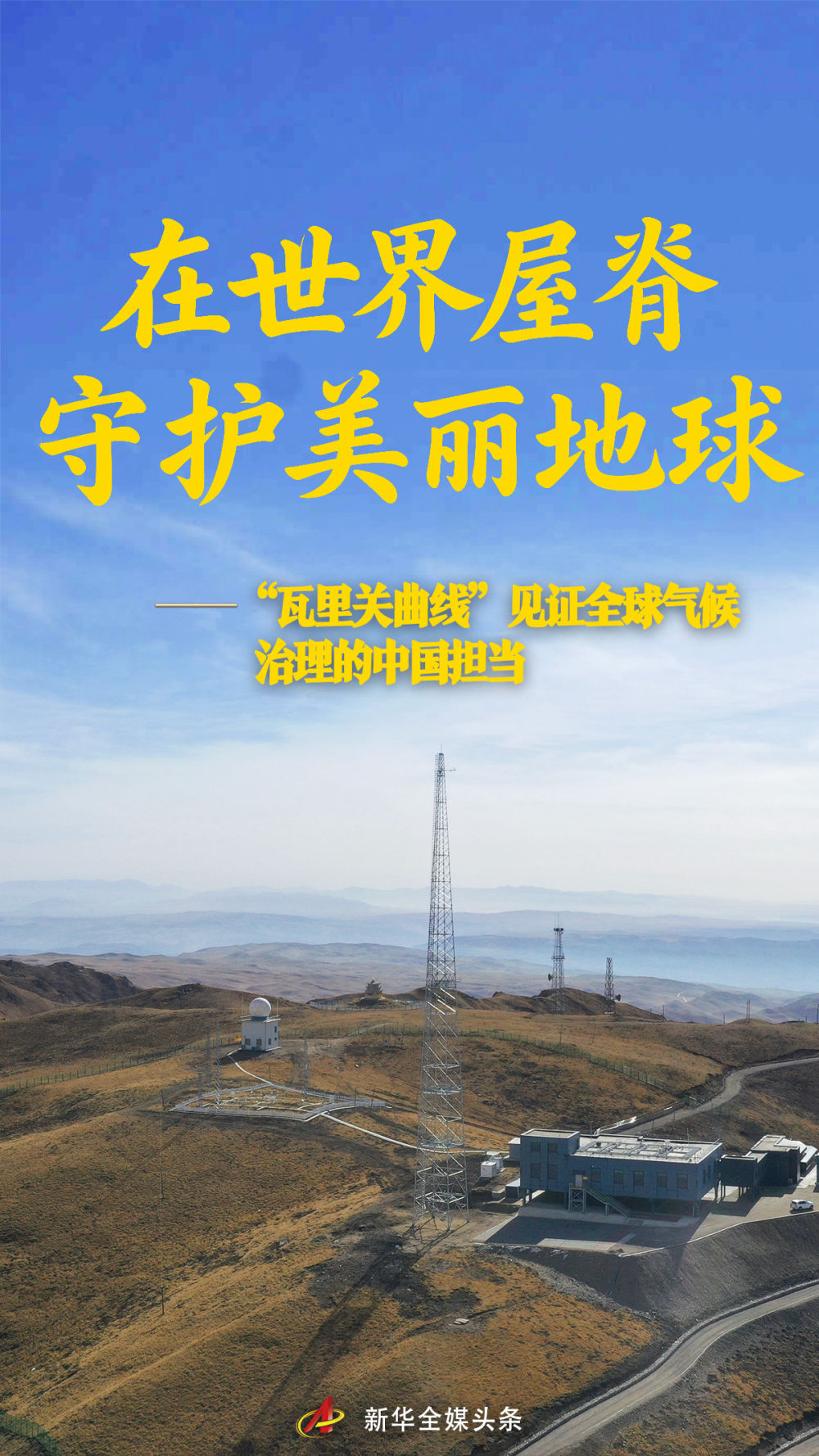
Core Viewpoint - The Wari Pass Global Atmospheric Background Station in Qinghai Province plays a crucial role in monitoring greenhouse gas concentrations and contributes significantly to global climate change research through its long-term observational data [3][4][10]. Group 1: Importance of Wari Pass Station - The Wari Pass Station has been operational for over 30 years, providing continuous and high-precision observations of atmospheric carbon dioxide concentrations, which are critical for understanding global climate trends [3][4]. - The data from Wari Pass, known as the "Wari Pass Curve," aligns closely with observations from the Mauna Loa Observatory in Hawaii, demonstrating a consistent increase in greenhouse gas concentrations globally [3][4]. - The establishment of the Wari Pass Station filled a significant observational gap for continental atmospheric monitoring, contributing to the global atmospheric observation network [3][4]. Group 2: Environmental Protection Measures - To ensure the accuracy and reliability of observations, Qinghai has implemented protective measures around the Wari Pass Station, including the establishment of an 80-acre protection zone to control potential pollution sources [9]. - New regulations effective from February 1, 2026, will provide a legal framework for the protection of the Wari Pass Station, integrating environmental protection into land use planning [9]. - The station's operational environment is maintained with strict protocols to minimize human interference, which is essential for the continuity and comparability of the data collected [7][9]. Group 3: Contribution to Climate Change Mitigation - The data generated by the Wari Pass Station is vital for assessing China's efforts in combating climate change, with the 2024 report indicating a 0.6% increase in human carbon emissions, lower than the global average of 0.8% [11]. - The station serves as a foundation for a national network of atmospheric observation stations, enhancing China's capacity to contribute to global climate governance [10]. - China's commitment to improving its technological support for climate change initiatives is evident, as it aims to lead in global climate governance and sustainable development [12][13].
在世界屋脊守护美丽地球——“瓦里关曲线”见证全球气候治理的中国担当
Xin Lang Cai Jing· 2026-01-31 14:19
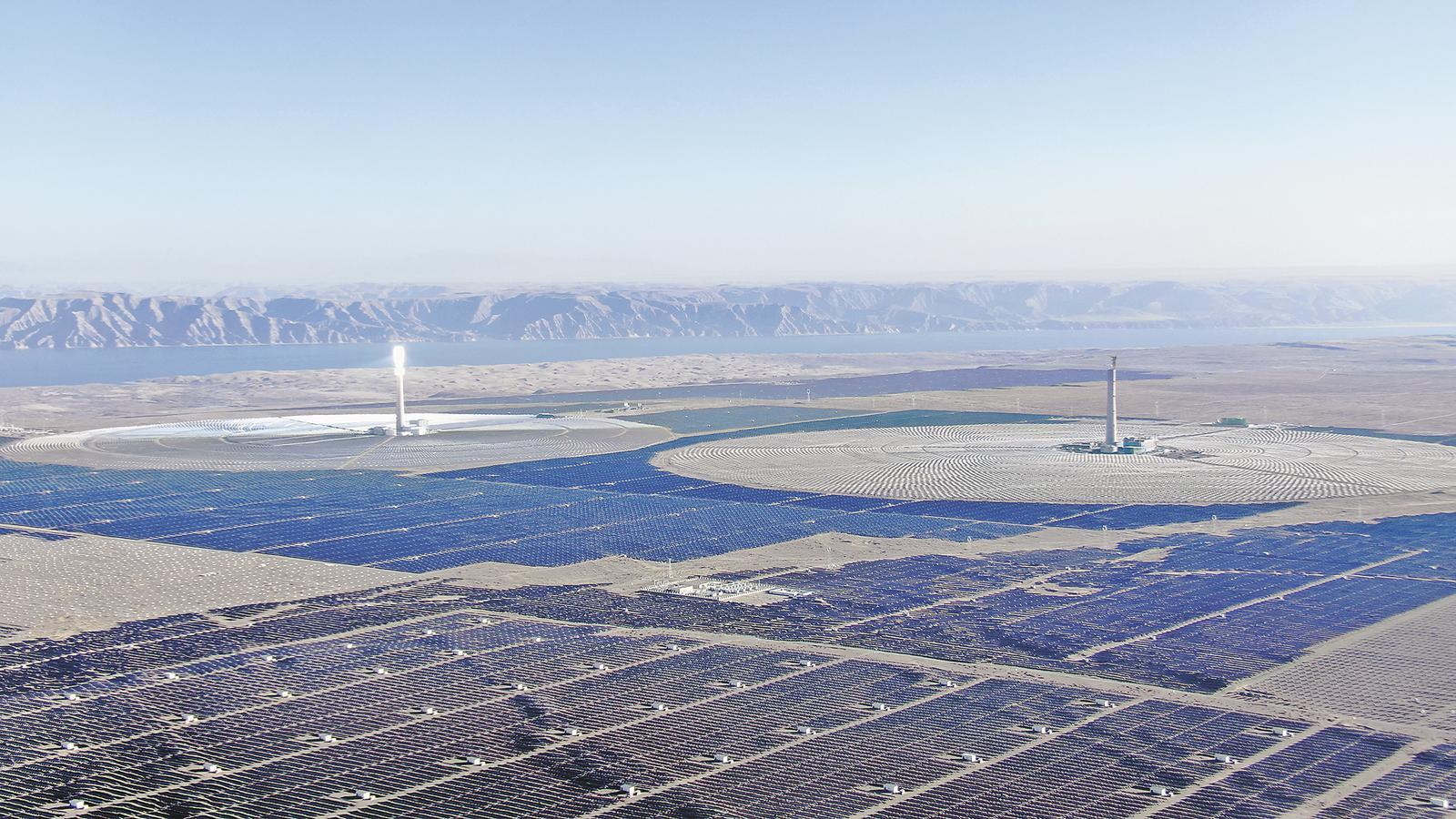
Core Viewpoint - The Wari Pass Global Atmospheric Background Station, located at an altitude of 3,816 meters on the Tibetan Plateau, has been operational for over 30 years, providing crucial data for global climate change research and contributing to the understanding of greenhouse gas trends [2][3][7]. Group 1: Scientific Value and Observations - The Wari Pass Station has accumulated long-term atmospheric CO2 concentration data, creating the "Wari Pass Curve," which aligns closely with observations from the Mauna Loa Observatory in Hawaii, indicating a consistent rise in greenhouse gas concentrations globally [3][7]. - The station's establishment in 1994 marked a significant step in achieving stable coverage for global atmospheric baseline observations in the Eurasian continent, making it a key site for greenhouse gas monitoring in China [7][10]. Group 2: Environmental Protection and Regulations - Starting February 1, 2026, the "Regulations on the Protection of the Wari Pass Global Atmospheric Background Station" will be implemented, providing legal protection for the station's scientific value and ensuring the stability of its observational environment [2][10]. - The surrounding area of the Wari Pass Station has been designated as an 80-acre protection zone to control potential atmospheric pollution sources, reinforcing the commitment to maintaining a clean observation environment [10][12]. Group 3: Contribution to Climate Governance - The Wari Pass Station serves as a cornerstone for China's national atmospheric greenhouse gas observation network, which includes one global baseline station, seven regional baseline stations, and over 120 greenhouse gas observation stations [13][15]. - Data from the Wari Pass Station has been instrumental in assessing China's climate change actions, with a reported 0.6% increase in anthropogenic carbon emissions in 2024, which is lower than the global average increase of 0.8% [13][15]. Group 4: Sustainable Development Initiatives - The region surrounding the Wari Pass Station has seen the development of a solar power industry, with a reported clean energy generation of 47.7 billion kilowatt-hours in 2025, contributing to significant reductions in carbon emissions [12][18]. - The integration of ecological protection and industrial development in the area exemplifies a model for sustainable growth, ensuring the long-term stability of observational data from the Wari Pass Station [10][12].