
全球气候治理

Search documents
如何看美国撤销气候危害认定的危害
Xin Lang Cai Jing· 2026-02-14 07:11
Core Viewpoint - The Trump administration's decision to revoke the 2009 greenhouse gas endangerment finding marks a significant reversal in U.S. federal climate policy, raising concerns in scientific, legal, and public health domains, with potential implications for judicial, energy sectors, and international climate governance [1][3]. Regulatory Changes - The U.S. Environmental Protection Agency (EPA) described the decision as "the largest single rollback of regulation in U.S. history," claiming it would save taxpayers over $1.3 trillion by alleviating regulatory burdens that exceeded $1 trillion [2]. - The EPA's rationale is that the Clean Air Act was originally intended to regulate criteria air pollutants and toxic substances, not greenhouse gases, suggesting that previous interpretations expanded regulatory authority unnecessarily [2]. Legal and Scientific Controversy - The 2009 finding, established during the Obama administration, recognized six greenhouse gases as threats to public health, forming the legal basis for various emission control measures [3]. - Critics argue that revoking this finding undermines scientific consensus on climate change and contradicts global climate governance trends, potentially complicating future regulatory efforts [3][4]. Broader Implications - The decision is part of a broader trend, with the Trump administration reportedly taking over 300 actions to roll back climate-related policies, which may weaken the U.S.'s credibility in global climate governance [6]. - Recent actions include the revocation of fishing bans in marine protected areas and directives to support coal-fired power plants, which could lead to increased operational costs for electricity users [6][7]. Economic Impact - The economic losses from climate-related disasters in 2025 alone are estimated at $115 billion, indicating a significant financial burden associated with climate inaction [7]. - The interplay between energy security, economic costs, and climate risks will continue to shape the future of U.S. climate governance [7].
中国唯一全球大气本底站32年“绘”出地球呼吸曲线
Zhong Guo Xin Wen Wang· 2026-02-07 03:16
Core Insights - The article highlights the significance of the Wari Pass Atmospheric Background Station in Qinghai Province, which is the only global atmospheric background station in China and one of the highest in the world, operational since September 17, 1994 [2] Group 1 - The Wari Pass Station is located at an altitude of 3,816 meters and has been continuously monitoring atmospheric conditions for nearly 32 years [2] - The station's data contributes to the "Wari Pass Curve," which reflects the monthly average concentration of carbon dioxide in the atmosphere, playing a crucial role in China's climate change response and global climate governance [2] - The dedicated personnel at the station exemplify commitment and responsibility in high-altitude meteorological observation, ensuring accurate data collection for environmental monitoring [2]
探访欧亚大陆腹地唯一的全球大气本底站
Xin Lang Cai Jing· 2026-02-06 04:32
Core Viewpoint - The Wali Guan Global Atmospheric Background Station, located in Hainan Tibetan Autonomous Prefecture, Qinghai Province, is the only global atmospheric background station in China and the highest in the world, playing a crucial role in climate change monitoring and global climate governance [2][12]. Group 1 - The Wali Guan Global Atmospheric Background Station has been operational since September 17, 1994, and has been running for nearly 32 years [2]. - The station's continuous observations have led to the creation of the "Wali Guan Curve," which reflects the long-term trend of global atmospheric carbon dioxide monthly average concentrations [2]. - The station is situated at an altitude of 3,816 meters, making it the highest global atmospheric background station in the world [12]. Group 2 - The station operates with only two staff members on duty throughout the year, who can only descend the mountain for rotation every seven days [10]. - To ensure the accuracy of observational data, cooking is not allowed at the station, and staff members can only consume simple meals [14]. - Staff members are engaged in various tasks, including maintaining measurement equipment and compiling measurement data [4][8][6].

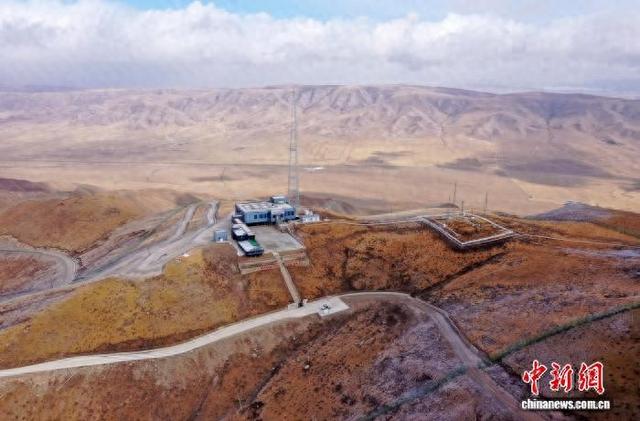
“瓦里关曲线”见证全球气候治理的中国担当
Xin Hua She· 2026-02-03 02:03
Core Viewpoint - The Wari Pass Global Atmospheric Background Station, located at an altitude of 3,816 meters on the Tibetan Plateau, has been operational for over 30 years, providing crucial data for global climate change research and is now protected by local regulations effective February 1, 2026 [3][10]. Group 1: Scientific Value and Observations - The Wari Pass Station has accumulated long-term atmospheric CO2 concentration data, creating the "Wari Pass Curve," which aligns closely with observations from the Mauna Loa Observatory in Hawaii, indicating a consistent rise in greenhouse gas concentrations globally [4][7]. - The station's establishment in the 1990s filled a critical gap in the global atmospheric observation network, particularly for inland areas, and has since become a key site for greenhouse gas monitoring in China [5][7]. Group 2: Environmental Protection and Sustainability - To ensure the accuracy and sustainability of observations, Qinghai Province has implemented protective measures around the Wari Pass Station, including the establishment of an 80-acre protection zone to control potential pollution sources [10]. - The new regulations will integrate meteorological environment protection into land use planning, reinforcing the commitment to ecological preservation while supporting the station's operations [10]. Group 3: Contribution to Climate Governance - The Wari Pass Station is part of a broader national network of atmospheric observation stations in China, which includes one global background station and over 120 greenhouse gas monitoring stations, contributing to the "China Greenhouse Gas Bulletin" [13]. - China's carbon emissions increased by approximately 0.6% in 2024, a slower growth rate compared to the global average of 0.8%, indicating progress in managing emissions [13]. - The station's data is vital for assessing China's climate action effectiveness and supports international climate governance efforts, with China actively participating in global climate discussions and initiatives [19].
“退群”暴露“美国优先”霸权逻辑
Xin Lang Cai Jing· 2026-02-01 19:22
Core Viewpoint - The article discusses the implications of the United States' withdrawal from the Paris Agreement, highlighting it as a political maneuver rather than a scientifically rational decision, which undermines global climate governance and reflects a "America First" mentality [1] Group 1: U.S. Withdrawal from the Paris Agreement - The U.S. officially exited the Paris Agreement on January 27, marking it as the only country to withdraw twice from the accord [1] - The withdrawal is seen as a result of domestic political interests, particularly the influence of fossil fuel industries and political donations in the lead-up to the 2024 presidential election [1] - The U.S. has selectively chosen to withdraw from international agreements that do not align with its interests, while remaining in those that help maintain its global dominance [1] Group 2: Impact on Global Climate Governance - The U.S. exit poses a significant threat to achieving the global temperature control goal of 2°C, with the risk of exceeding the 1.5°C threshold becoming a reality [1] - Investment in climate-related sectors has shown hesitation, with capital that was previously directed towards renewable energy now in a state of uncertainty [1] - The withdrawal has also nullified U.S. commitments to the Green Climate Fund, weakening the climate adaptation capabilities of developing countries and exacerbating the North-South divide in climate governance [1] Group 3: Broader Implications and Responses - The article warns that the U.S. withdrawal could set a dangerous precedent, potentially leading to a chain reaction of similar exits by other countries [1] - Despite the U.S. actions, global governance mechanisms have not stalled; major players like the EU and China are uniting to promote global standards for climate-friendly products [1] - Local governments in the U.S., such as California and New York, are distancing themselves from federal policies and committing to emission reduction targets, reinforcing the idea that multilateral cooperation is essential for addressing climate challenges [1]
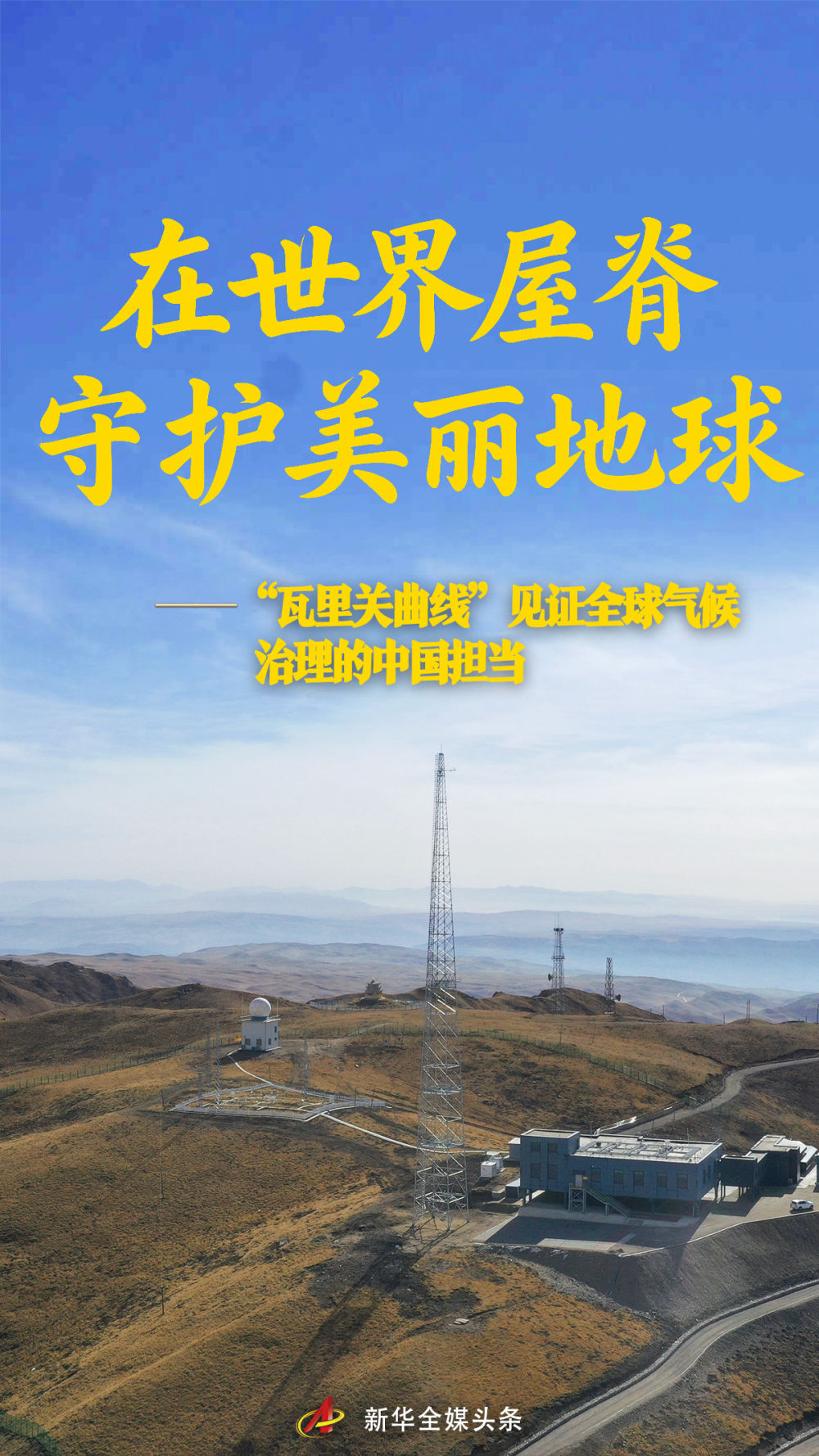
在世界屋脊守护美丽地球
Xin Lang Cai Jing· 2026-01-31 18:30
Core Viewpoint - The Wari Pass Global Atmospheric Background Station in Qinghai Province plays a crucial role in monitoring greenhouse gas concentrations and contributes significantly to global climate change research through its long-term observational data [3][4][10]. Group 1: Importance of Wari Pass Station - The Wari Pass Station has been operational for over 30 years, providing continuous and high-precision observations of atmospheric carbon dioxide concentrations, which are critical for understanding global climate trends [3][4]. - The data from Wari Pass, known as the "Wari Pass Curve," aligns closely with observations from the Mauna Loa Observatory in Hawaii, demonstrating a consistent increase in greenhouse gas concentrations globally [3][4]. - The establishment of the Wari Pass Station filled a significant observational gap for continental atmospheric monitoring, contributing to the global atmospheric observation network [3][4]. Group 2: Environmental Protection Measures - To ensure the accuracy and reliability of observations, Qinghai has implemented protective measures around the Wari Pass Station, including the establishment of an 80-acre protection zone to control potential pollution sources [9]. - New regulations effective from February 1, 2026, will provide a legal framework for the protection of the Wari Pass Station, integrating environmental protection into land use planning [9]. - The station's operational environment is maintained with strict protocols to minimize human interference, which is essential for the continuity and comparability of the data collected [7][9]. Group 3: Contribution to Climate Change Mitigation - The data generated by the Wari Pass Station is vital for assessing China's efforts in combating climate change, with the 2024 report indicating a 0.6% increase in human carbon emissions, lower than the global average of 0.8% [11]. - The station serves as a foundation for a national network of atmospheric observation stations, enhancing China's capacity to contribute to global climate governance [10]. - China's commitment to improving its technological support for climate change initiatives is evident, as it aims to lead in global climate governance and sustainable development [12][13].
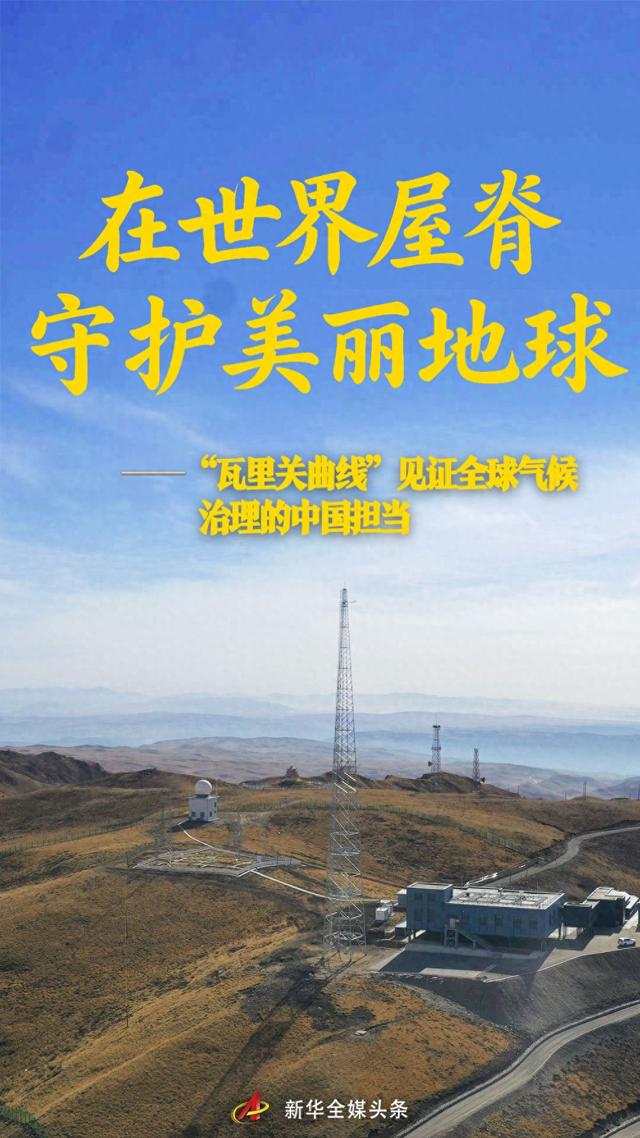
在世界屋脊守护美丽地球——“瓦里关曲线”见证全球气候治理的中国担当
Xin Lang Cai Jing· 2026-01-31 14:19
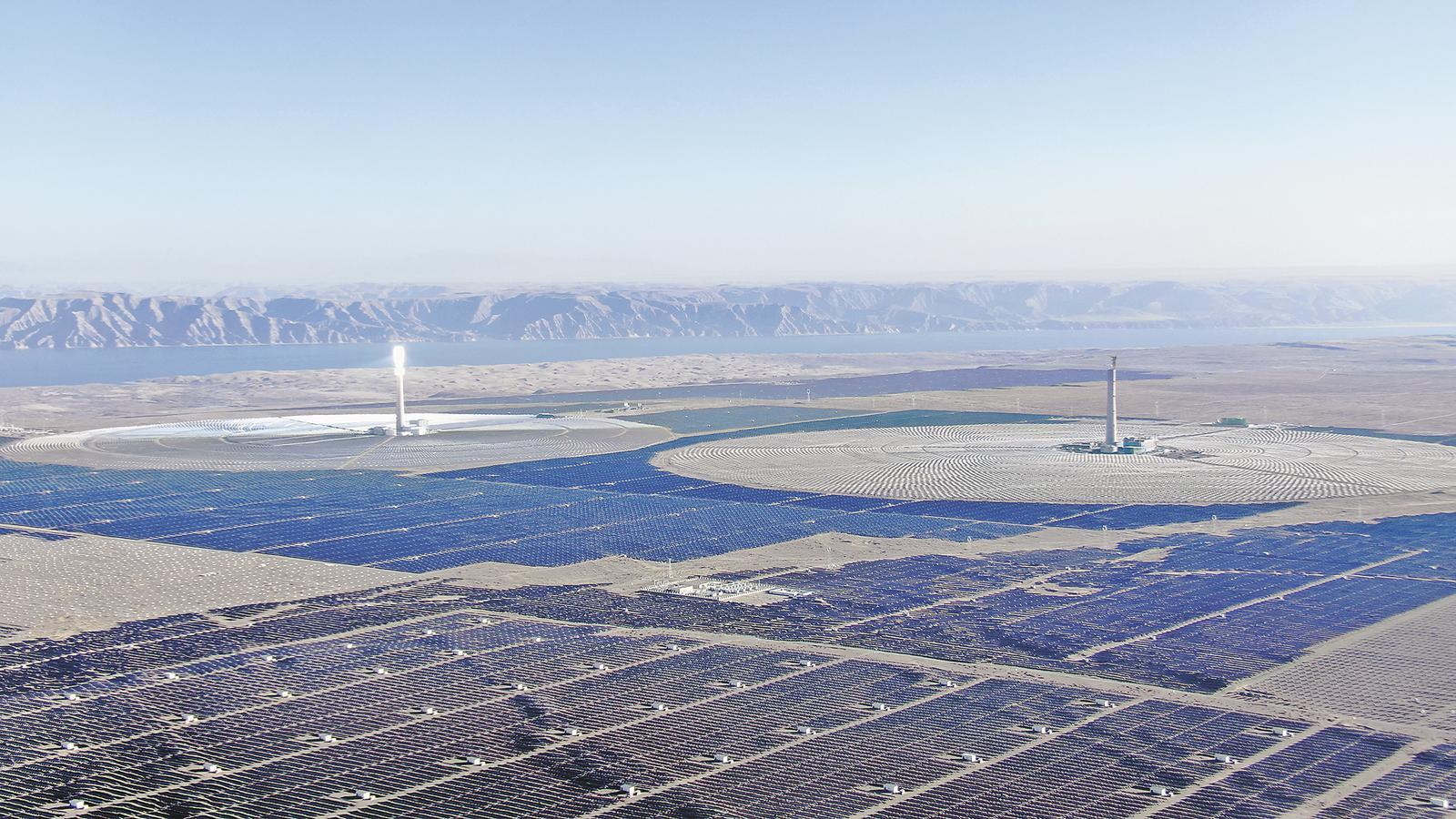
Core Viewpoint - The Wari Pass Global Atmospheric Background Station, located at an altitude of 3,816 meters on the Tibetan Plateau, has been operational for over 30 years, providing crucial data for global climate change research and contributing to the understanding of greenhouse gas trends [2][3][7]. Group 1: Scientific Value and Observations - The Wari Pass Station has accumulated long-term atmospheric CO2 concentration data, creating the "Wari Pass Curve," which aligns closely with observations from the Mauna Loa Observatory in Hawaii, indicating a consistent rise in greenhouse gas concentrations globally [3][7]. - The station's establishment in 1994 marked a significant step in achieving stable coverage for global atmospheric baseline observations in the Eurasian continent, making it a key site for greenhouse gas monitoring in China [7][10]. Group 2: Environmental Protection and Regulations - Starting February 1, 2026, the "Regulations on the Protection of the Wari Pass Global Atmospheric Background Station" will be implemented, providing legal protection for the station's scientific value and ensuring the stability of its observational environment [2][10]. - The surrounding area of the Wari Pass Station has been designated as an 80-acre protection zone to control potential atmospheric pollution sources, reinforcing the commitment to maintaining a clean observation environment [10][12]. Group 3: Contribution to Climate Governance - The Wari Pass Station serves as a cornerstone for China's national atmospheric greenhouse gas observation network, which includes one global baseline station, seven regional baseline stations, and over 120 greenhouse gas observation stations [13][15]. - Data from the Wari Pass Station has been instrumental in assessing China's climate change actions, with a reported 0.6% increase in anthropogenic carbon emissions in 2024, which is lower than the global average increase of 0.8% [13][15]. Group 4: Sustainable Development Initiatives - The region surrounding the Wari Pass Station has seen the development of a solar power industry, with a reported clean energy generation of 47.7 billion kilowatt-hours in 2025, contributing to significant reductions in carbon emissions [12][18]. - The integration of ecological protection and industrial development in the area exemplifies a model for sustainable growth, ensuring the long-term stability of observational data from the Wari Pass Station [10][12].
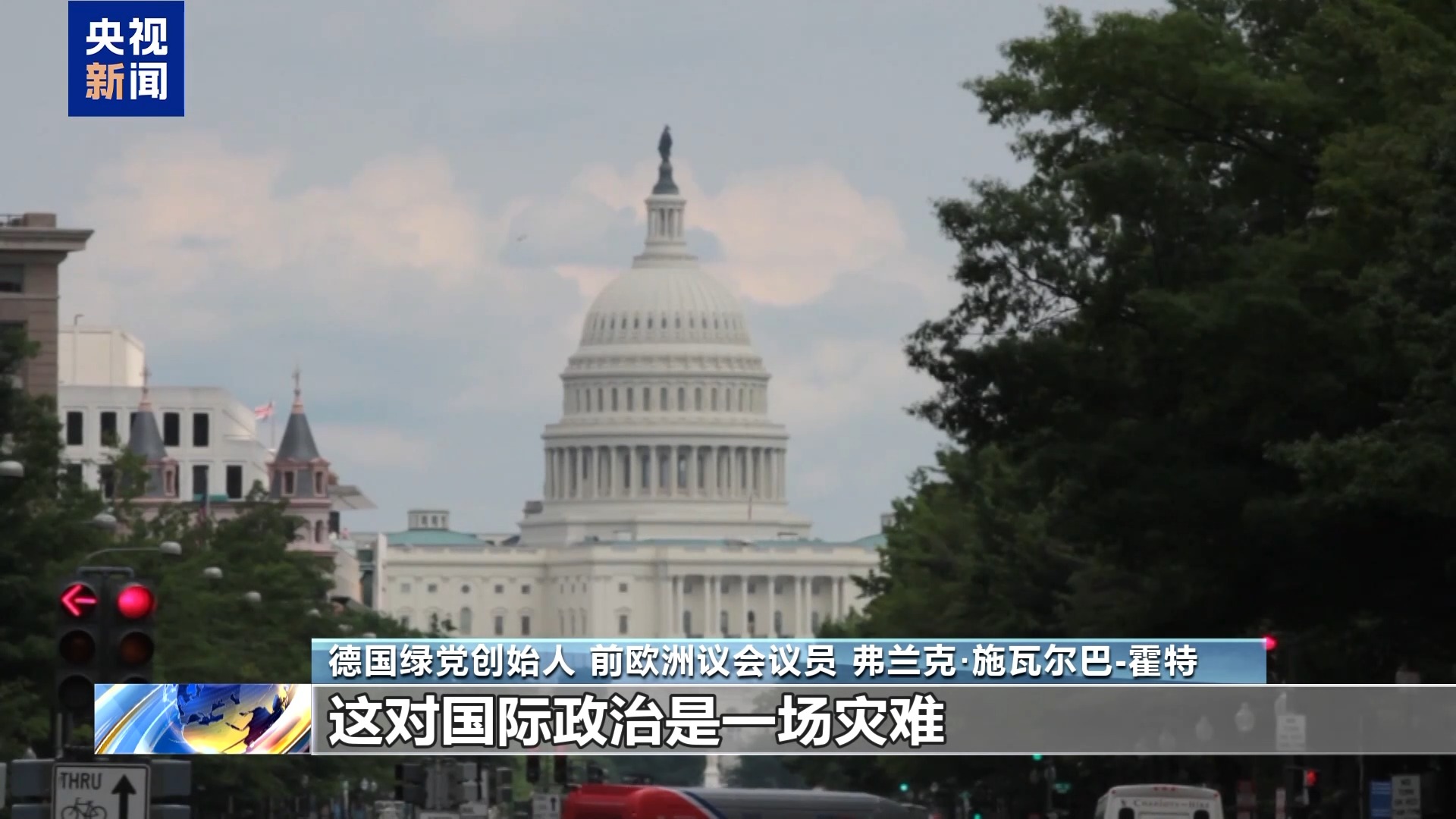
国际人士:美放弃气候承诺将造成严重后果
Yang Shi Xin Wen Ke Hu Duan· 2026-01-27 09:12
Core Viewpoint - The United States' withdrawal from the Paris Agreement is seen as a significant setback for multilateralism and global climate governance, with potential negative implications for international cooperation on climate change [1][3][9] Group 1: Reactions from International Figures - Former French Prime Minister Laurent Fabius criticized the U.S. for its climate denial and emphasized that this move undermines global climate governance, raising concerns about the attack on multilateralism [1] - Frank Schwabe-Hort, a former European Parliament member, described the U.S. withdrawal as a disaster for international politics, warning it could encourage other nations to reduce their climate commitments [3] - Joe Leinen, former head of the European Parliament's delegation to China, labeled the U.S. exit as a historic mistake, asserting that the international community should remain united despite U.S. policy shifts [9] Group 2: Public Sentiment in Germany - German citizens expressed concerns that the U.S. action could lead to catastrophic environmental consequences, as the U.S. is a major emitter of greenhouse gases [4][5] - Barbara Fischer, a resident of Berlin, noted that the U.S. withdrawal might signal to other countries that they do not need to take action against climate change, which could be disastrous for the planet [5] - Another Berlin resident, Katharina, highlighted the issue of the U.S. prioritizing fossil fuel extraction over climate action, indicating a significant problem for global climate efforts [7]
传播全球气候治理的中国声音,“碳经济”学科自主知识体系联盟成立
Xin Lang Cai Jing· 2026-01-23 05:30
Core Insights - The "Carbon Economy" discipline's independent knowledge system alliance was established to address the systematic economic and social transformation needs driven by the "dual carbon" goals [2][3] - The alliance aims to refine the core categories and research paradigms of the "Carbon Economy" discipline, promoting theoretical innovation and practical application [3] - The initiative is positioned as a crucial academic support for the national "dual carbon" strategy, high-quality development, and participation in global climate governance [3] Group 1 - The "Carbon Economy" independent knowledge system alliance was initiated by the School of Applied Economics at Renmin University of China, with participation from 24 related institutions [3] - The alliance will focus on academic research, talent cultivation, and industry-academia-research cooperation to enhance China's academic influence and voice in global climate governance and green low-carbon development [3] - The establishment of the "Carbon Economy" discipline is seen as a response to the demand for theoretical innovation and the dissemination of China's perspectives on climate issues [2][3]

中国经济绿色高质量发展报告近日发布 系统总结中国绿色转型经验
Zheng Quan Shi Bao Wang· 2026-01-17 12:50
Core Insights - The report titled "China's Economic Green High-Quality Development Report 2025" was officially released, highlighting China's achievements and strategies in green transformation [1][2] - China has established the world's largest green energy system, with significant reductions in carbon emission intensity and ongoing optimization of economic and energy structures [1] - The report emphasizes China's commitment to international climate governance through South-South cooperation and the Belt and Road Initiative, showcasing its role as a responsible major power [1] Summary by Sections Current Status and Global Contribution - China has made substantial progress in green transformation, establishing the largest green energy system globally and reducing carbon emission intensity [1] - The country is actively participating in global climate governance, promoting green transformation in Belt and Road countries, and fulfilling international responsibilities [1] Strategic Pathways - The dual carbon goals are driving China's strategic layout, focusing on the integration of development and emission reduction while accelerating the establishment of relevant policy frameworks [1] - The report identifies four key areas: green technology and new productivity, low-carbon city construction, international climate financing, and electricity market reform [1] Challenges and Recommendations - Despite progress, challenges remain, including high reliance on traditional energy, unbalanced regional green transformation, and uncertainties in international climate cooperation [1] - Recommendations include strengthening policy coordination, promoting deep decarbonization in key industries, enhancing green technology research and application, and deepening international climate cooperation [1]