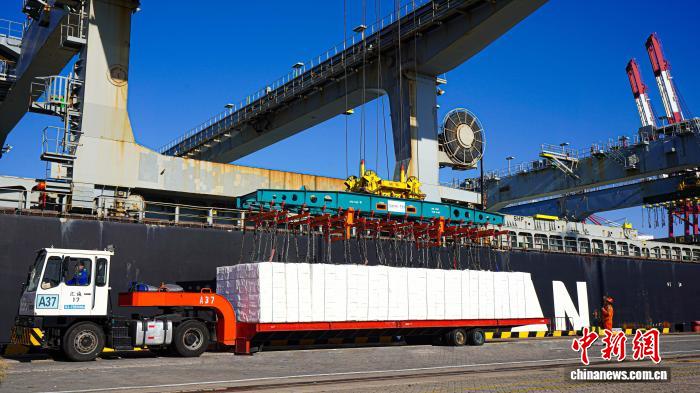
件杂货运输服务

Search documents
助力“中国制造”高效出海!山东港口烟台港印尼航线火热运营
Qi Lu Wan Bao· 2026-02-27 09:33
本次作业涉及的异形钢结构体型狭长,且预设装载位置紧邻集装箱,对位误差要求控制在5厘米以内,对指挥手、门机司机及舱内作业人员的协同配合、 预判能力提出"极限考验"。为攻克这一吊装难题,件杂货工艺专班提前研判作业风险,重点强化指挥手、门机司机与舱内作业人员的协同配合,通过前置 协同演练,确保三方联动、精准同步,为厘米级精准对位提供保障。此外,依托"专业化装备、专业化工艺、专业化队伍、专业化服务"件杂货作业优势, 烟台港充分发挥"联合配载"管理效能,结合货物尺寸、重量及船舶舱位布局,科学规划装载顺序,实现不同货种高效适配、合理排布,既保障装载安全, 又提升舱位利用率。 为进一步服务印尼件杂货航线高效运转,山东港口烟台港坚持"服务前置、协同赋能",主动联动海关、海事、边检等口岸部门,整合货物申报、单证办 理、作业计划等全流程服务。同时,强化装备保障,提前备足工属具、应急物资,确保机械装备"零故障、高效率"运转,以全方位、全时段的保障,为作 业高效推进筑牢坚实根基。 近日,山东港口烟台港芝罘湾港区件杂货码头,正加紧将1.35万吨"中国制造"的异形钢结构等物资装船,发往印度尼西亚。2026年以来,烟台港件杂货班 轮发运量 ...

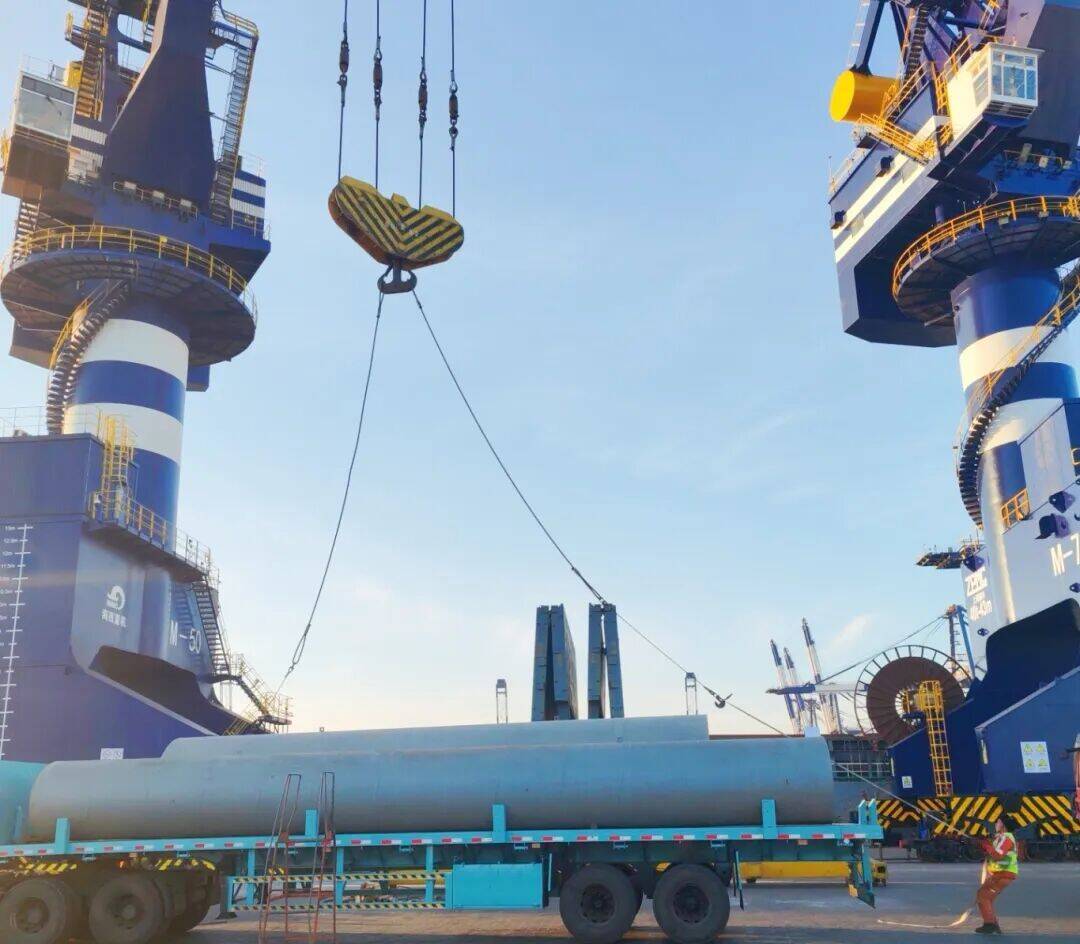
争夺出海枢纽,山东港口群加码基建
Qi Lu Wan Bao· 2026-01-09 13:53
Core Insights - The article highlights the competitive landscape among coastal ports in Shandong, driven by infrastructure investments to enhance their capabilities as key maritime gateways for Chinese exports [2][3][4][5]. Group 1: Infrastructure Developments - Yantai Port's annual cargo throughput is projected to exceed 16 million tons by 2025, reflecting a 35.5% year-on-year growth [11]. - The Qingdao Dongjiakou to Rizhao Wulian railway, with a total investment of approximately 17.577 billion yuan, is set to enhance cargo transport capacity by adding 8 million tons annually [3]. - Qingdao Port plans to invest 15.7 billion yuan to construct two new terminals, aiming to increase its comprehensive throughput capacity to 830 million tons by 2035 [4]. Group 2: Competitive Positioning - Ports in Shandong are engaged in a strategic positioning battle to become leading maritime hubs, with Jining Port aiming to solidify its status as the first inland port in northern China to handle over 100 million tons [6]. - Weifang Port is initiating a 5-million-ton channel project to increase its annual throughput by over 40 million tons, while also reducing logistics costs for local enterprises by 1.5 billion yuan [6][7]. - Yantai Port is focusing on becoming the primary trade port for China-Africa relations, with a significant increase in its cargo volume to African nations [9][10]. Group 3: Market Trends and Supply Chain Dynamics - The restructuring of global supply chains is influencing cargo throughput at major ports, with a notable increase in the importance of equipment and components in exports [9][10]. - The competition among ports is intensifying as they adapt to changes in trade structures, with Yantai Port establishing a logistics corridor to facilitate trade with over 20 African countries [11][12]. - The integration of ports into global supply chains is leading to enhanced international transit capabilities and a reduction in overall logistics costs [13].

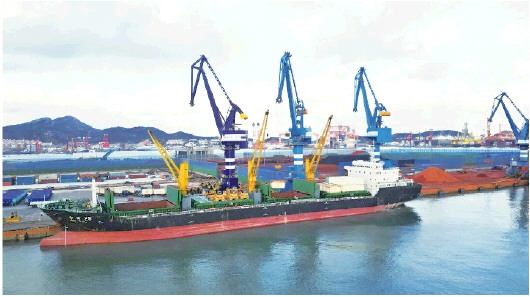
今年第三季度山东港口青岛港件杂货吞吐量同比增长4.4%
Zhong Guo Xin Wen Wang· 2025-11-03 12:00
Core Insights - Shandong Port Qingdao Port demonstrated strong resilience in Q3 2025, with a year-on-year increase of 4.4% in general cargo throughput, which is an improvement of 1.5 percentage points compared to Q2 [1] Group 1: Business Performance - The soybean throughput increased by 15% year-on-year, effectively ensuring the stability of China's food supply chain [2] - Pulp throughput grew by 7%, playing a significant role in the circulation of the paper industry [2] - Steel throughput surged by over 20%, while machinery equipment throughput rose by nearly 10% [2] - The export volume of passenger vehicles increased by over 50%, continuously supporting the international expansion of Chinese manufacturing [2] Group 2: Strategic Developments - Shandong Port Qingdao Port is a key international trade port and transit hub in China, having expanded its international route network by adding multiple new routes to regions such as India, Pakistan, Africa, and Southeast Asia [2] - The port focuses on developing four key categories of goods: grain, pulp, steel, and machinery equipment, establishing dedicated distribution and transshipment bases for these commodities [2] - Through innovative operational models and optimized resource allocation, the port achieved both efficiency and volume growth [2]