优布劳精酿啤酒

Search documents
三重困境压顶,低度酒饮能否成为酒商中秋突围的救命稻草?
Sou Hu Cai Jing· 2025-09-04 08:22
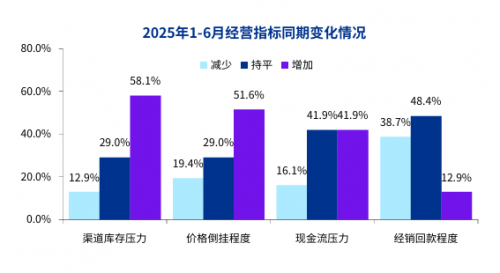
Core Viewpoint - The Chinese liquor industry is facing a significant transformation, with the upcoming Mid-Autumn Festival and National Day serving as a critical test of survival amid severe challenges including inventory buildup, price collapse, and changing consumer scenarios [1][2]. Group 1: Survival Challenges - The liquor industry is experiencing systemic challenges, with inventory turnover days reaching 900, a 10% increase year-on-year, and over 58.1% of distributors reporting increased inventory [3][5]. - The price inversion phenomenon is worsening, with over 50% of distributors and retailers facing negative profit margins, particularly in the 800-1500 yuan price range, where competition from both high-end and low-end products is intense [6][7]. - The new regulations prohibiting alcohol in work meals have severely impacted core consumption scenarios, leading to a 40% year-on-year decline in demand, further exacerbated by online low-price competition [7][9]. Group 2: Market Dynamics - The overall liquor market is shrinking, with traditional categories like white liquor, wine, and beer facing significant challenges, while the low-alcohol beverage market is projected to grow to 74 billion yuan by 2025, with a compound annual growth rate of 25% [11][13]. - The shift in consumer demographics towards younger generations is driving demand for low-alcohol, health-oriented products, necessitating a reevaluation of traditional liquor offerings [11][19]. - Innovative products like low-alcohol sparkling wines are gaining traction, with brands like Mei Jian and craft beers showing significant growth, indicating a shift in consumer preferences [16][18]. Group 3: Strategic Responses - Liquor companies are responding to market pressures by diversifying their product lines, with notable launches of low-alcohol options aimed at capturing the evolving consumer base [14][19]. - The industry's future competitiveness will hinge on understanding consumer needs and adapting to new consumption scenarios, moving away from traditional high-alcohol offerings [14][19]. - The rise of brands like Mei Jian, which has seen over 20% growth in a challenging market, exemplifies the potential for success through targeted product positioning and broad consumption scenarios [16][18].

酒馆经济持续向好!优布劳在糖酒会获数百人青睐,女创业者占多数
Sou Hu Wang· 2025-03-31 02:14
Core Insights - The 2025 Spring Sugar and Wine Fair showcased new trends in the beverage industry, particularly highlighting the rise of craft beer and the active participation of female entrepreneurs [1][4][11] Industry Trends - The event featured over 6,600 exhibitors, indicating a strong interest in market expansion and collaboration among brands, suppliers, and commercial clients [3] - Craft beer emerged as a significant focus at the fair, with numerous brands participating, marking a shift from the traditional dominance of liquor [4][11] - The craft beer market in China is projected to grow, with a market size reaching 6.8 billion yuan by the end of 2023 and an expected increase to 11 billion yuan by 2028 [12] Company Highlights - Ubrew, a prominent craft beer brand, attracted significant attention at the fair, showcasing a wide range of products and engaging consumers through tastings and live demonstrations [7][8] - Ubrew's founder emphasized the company's commitment to supporting partners and expanding its presence in the craft beer sector, which is experiencing rapid growth [8] - Ubrew has established itself as a leader in the craft beer industry, with over 2,000 craft beer bars across more than 800 cities in China [16][21] Consumer Demographics - The craft beer segment is increasingly appealing to young consumers and female entrepreneurs, who are becoming key players in the craft beer bar market [11][9] - Female consumers represented a significant portion of visitors at Ubrew's booth, indicating a shift in consumer demographics towards a more diverse audience [9][10] Market Dynamics - Traditional liquor distributors are seeking to enter the craft beer market, recognizing the potential for growth and diversification in their offerings [13][18] - The craft beer industry is seen as a complementary category to traditional liquor, appealing to a younger demographic and providing seasonal balance [13]