伯克级驱逐舰

Search documents
美媒曝光:出动海豹突击队!
中国能源报· 2026-01-08 07:14
Group 1 - The article discusses the U.S. military operation involving the seizure of the oil tanker "Bella 1," which was accused of violating U.S. sanctions. The operation included significant military resources such as Navy SEALs and the 160th Special Operations Aviation Regiment [2][3]. - From January 3, at least 14 U.S. C-17 transport aircraft and 2 AC-130J gunships were reported to have landed at three British air bases in Suffolk and Gloucestershire, indicating a buildup of military assets for the operation [3]. - Prior to the seizure, U.S. and British military aircraft conducted reconnaissance flights over the Atlantic, monitoring the movements of the "Bella 1" tanker, with increased activity noted just hours before the operation [3]. Group 2 - The operation involved F-35 fighter jets and AC-130J gunships providing air support during the boarding of the "Bella 1," showcasing the coordination between different branches of the U.S. military [3]. - Two U.S. Burke-class destroyers participated in the operation, having deployed from the Rota base in Spain, highlighting the strategic naval presence in the region [3]. - The boarding team utilized specialized MH-6 "Little Bird" helicopters to swiftly take control of the tanker and its crew, emphasizing the tactical capabilities of the U.S. special operations forces [3].


美媒曝光:出动海豹突击队!
Xin Lang Cai Jing· 2026-01-08 06:36
Core Viewpoint - The U.S. has seized the oil tanker "Bella 1" in the North Atlantic for violating U.S. sanctions, involving significant military resources including special operations forces and aircraft [1][2]. Group 1: Military Involvement - The operation involved a large deployment of U.S. military forces, including Navy SEALs and the 160th Special Operations Aviation Regiment [1]. - At least 14 C-17 transport aircraft and 2 AC-130J gunships were reported to have landed at three U.K. air force bases, carrying special operations helicopters [1]. - U.S. military aircraft, including F-35 fighters and AC-130J gunships, provided air support during the boarding operation [2]. Group 2: International Cooperation - The U.K. confirmed it provided support to the U.S. military assets after a request from Washington, including bases for operations [2]. - French and U.K. military aircraft participated in reconnaissance flights over the Atlantic to monitor the "Bella 1" prior to its seizure [1].
遭背刺!稀土管制下,巴基斯坦向美国献上2吨稀土,中方一招反制
Sou Hu Cai Jing· 2025-10-15 13:48
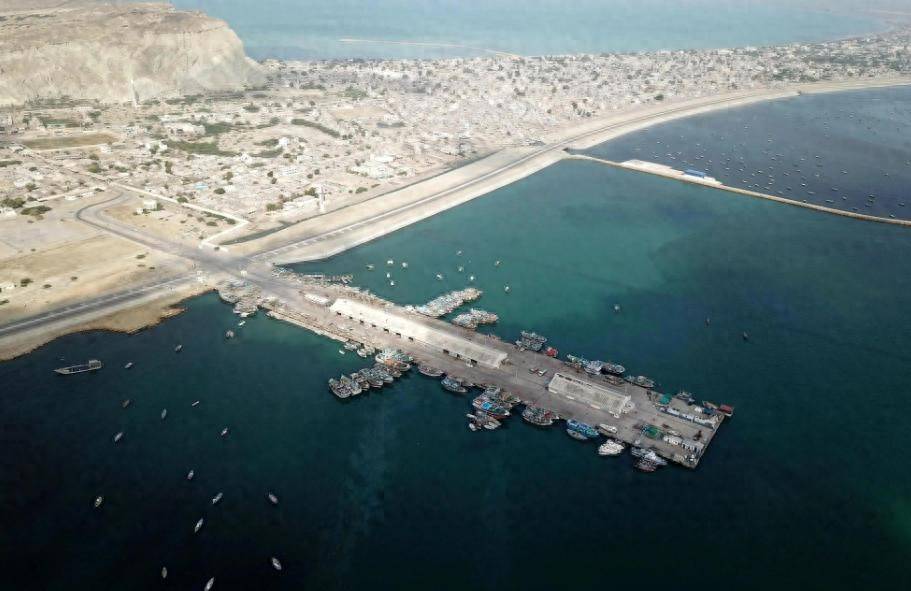
Core Viewpoint - Pakistan has signed a cooperation agreement with the United States to jointly develop its significant oil reserves and has begun shipping rare earth samples to the U.S., indicating a strategic pivot that may challenge China's influence in the region [1][3]. Group 1: Pakistan's Strategic Moves - Pakistan plans to propose the development of a port in Pasni with the U.S., which will serve as a hub for transporting critical mineral resources, located only 112 kilometers from the Chinese-built Gwadar port [1]. - This move is seen as a geopolitical maneuver by Pakistan to enhance its standing and leverage its "all-weather strategic partnership" with China while simultaneously courting the U.S. [12]. Group 2: China's Response - In response to Pakistan's actions, China's Ministry of Commerce has implemented new regulations that emphasize "technology traceability," requiring approval for any products using Chinese technology, regardless of where they are produced [3][10]. - China's control over the global rare earth supply chain is highlighted, as it possesses critical technologies for mining, refining, and manufacturing, making it difficult for other countries, including Pakistan, to establish independent supply chains [5][6]. Group 3: U.S. Military Implications - The U.S. military's reliance on rare earth materials is underscored, with significant quantities required for advanced military equipment such as the F-35 fighter jet and Virginia-class submarines, raising concerns about supply shortages [8][10]. - The Pentagon has invested $439 million to rebuild the domestic rare earth supply chain, but the lack of essential processing technology remains a significant barrier [10][12]. Group 4: Long-term Geopolitical Dynamics - The situation reflects a broader geopolitical struggle, with China asserting its technological sovereignty and signaling that any attempts by third parties to exploit this situation will face severe consequences [14][16]. - The evolving dynamics suggest that geographical location and natural resources alone will not suffice as leverage in international relations; technological barriers have become a new frontier in geopolitical strategy [16].