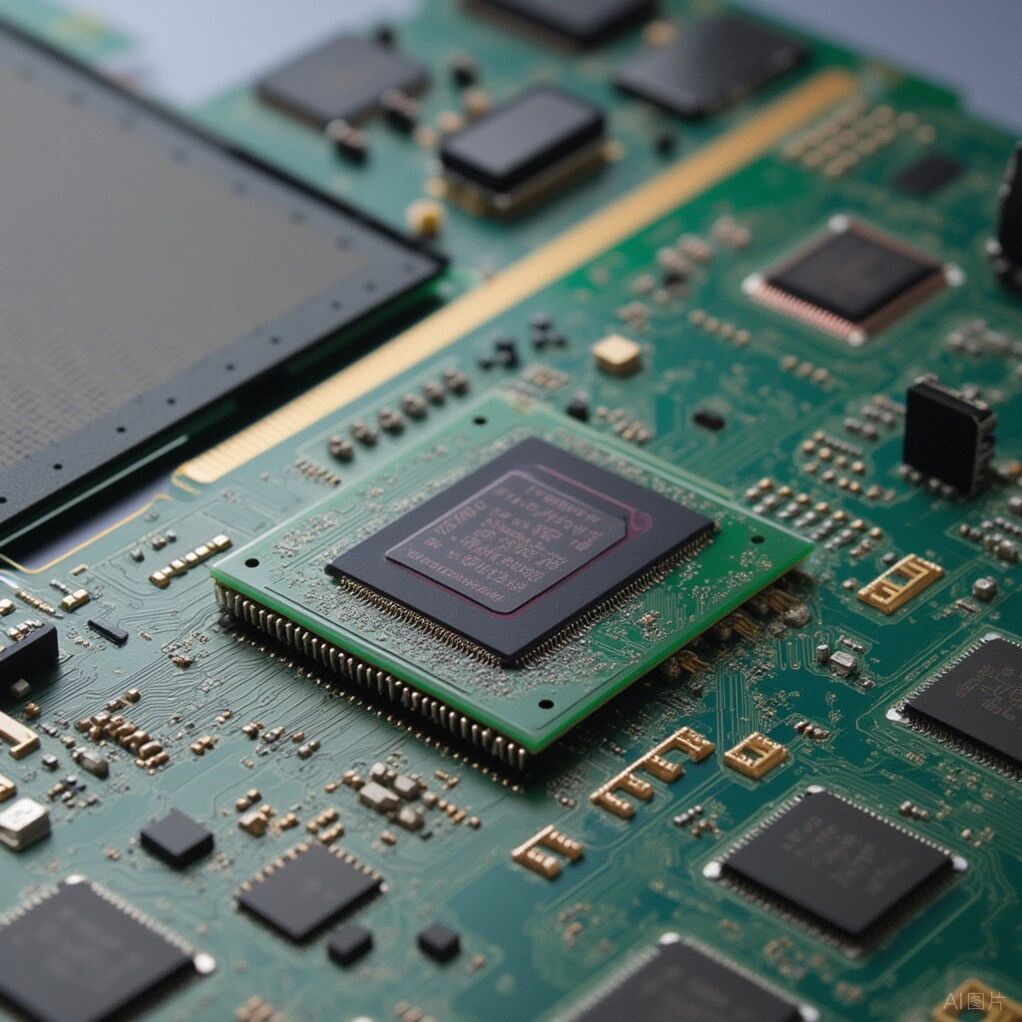
伺服器用32GB DDR5模组

Search documents
三星9万人酝酿大罢工,芯片危险
半导体芯闻· 2026-03-10 10:30
Core Viewpoint - Samsung Electronics is facing a new labor crisis as three major unions representing approximately 89,000 employees are initiating a strike authorization vote, which could lead to an 18-day strike from May 21 to June 7 if approved [1][2] Group 1: Labor Dispute Details - The unions are demanding a 7% salary increase, the removal of the cap on excess profit bonuses (OPI), and greater transparency in bonus calculations [1] - The company has proposed a 6.2% salary increase, stock grants, housing loan assistance, and special bonuses for the semiconductor division, but has firmly rejected the removal of the OPI cap [1][2] - If an agreement is not reached, the dispute will proceed to mediation by the Korean National Labor Relations Commission [1] Group 2: Market Impact - The semiconductor market is already under significant strain, with warnings that supply issues will worsen by 2026 due to high demand for high-bandwidth memory (HBM) from AI servers [2][3] - TrendForce data indicates that HBM will account for 23% of DRAM production capacity by 2026, up from 19% in 2025, leading to a reduction in supply for consumer products [2] - A potential strike could result in losses of up to 10 trillion Korean won for Samsung and 400 billion Korean won in employee salary losses [1][3] Group 3: Historical Context and Future Considerations - This is not the first strike threat for Samsung; a previous strike in July 2024 lasted about a month, but the current situation involves a larger coalition of unions and occurs during a period of rising memory prices driven by AI demand [3] - Samsung has already increased some memory prices by 60% and is considering further price hikes of 20% to 30% for major clients in 2026 [3] - The potential strike could severely impact HBM shipments, particularly as Samsung has just begun shipping next-generation HBM4 chips to Nvidia, which is critical for maintaining market share [3][4]