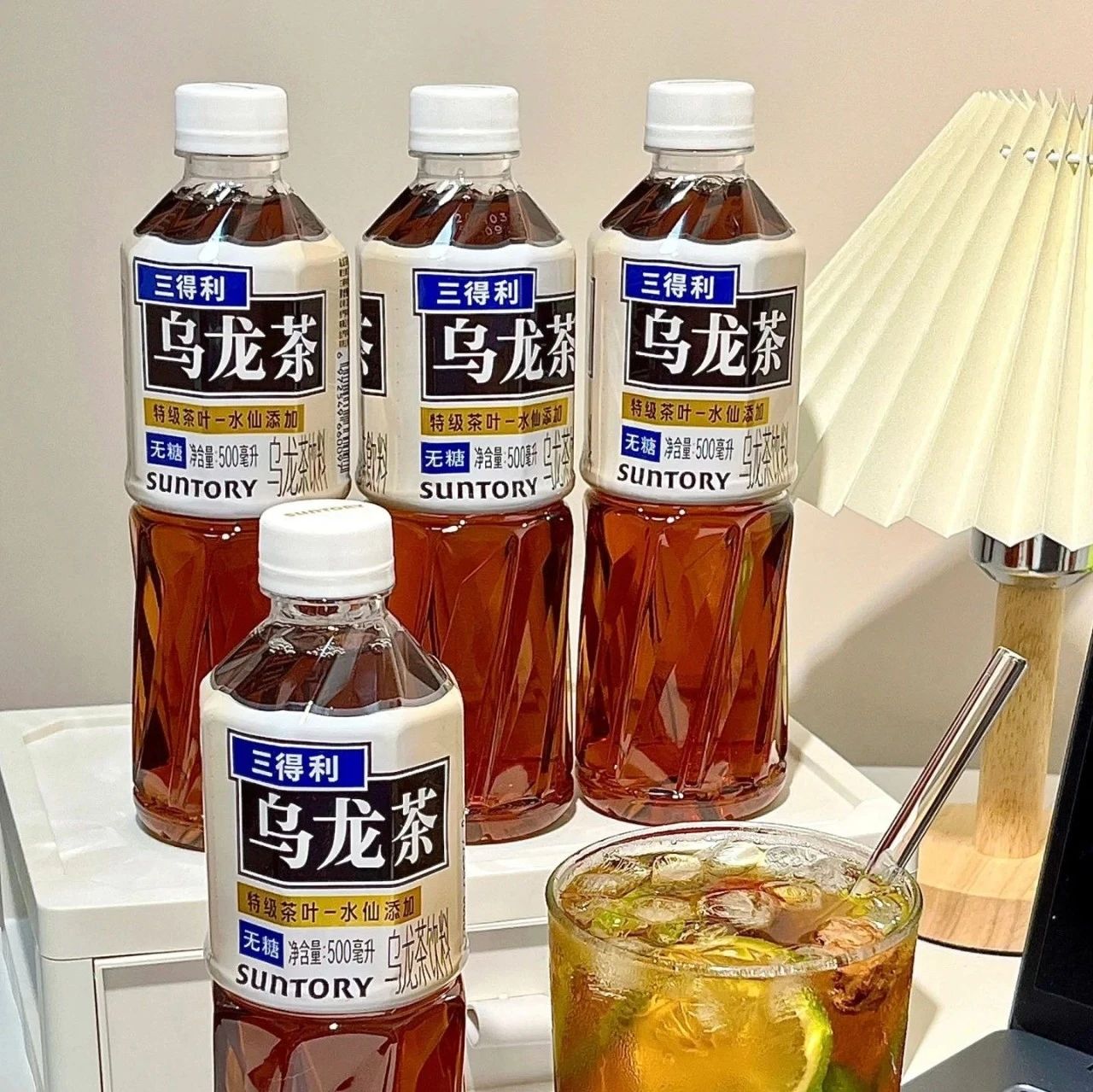
低糖茶饮料

Search documents
这样的无糖饮品还挺“甜”(科技瞭望)
Ren Min Ri Bao Hai Wai Ban· 2025-10-21 23:02
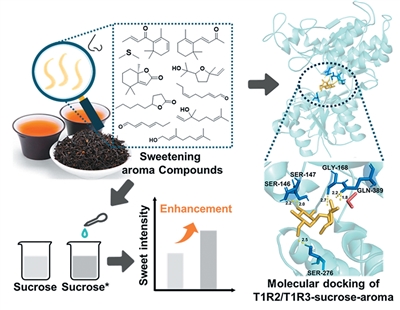
Core Insights - The research conducted by the Chinese Academy of Agricultural Sciences has made significant progress in understanding the flavor of tea, revealing that aroma components not only influence the tea's fragrance but also enhance the perception of natural sweetness [4][5] - This discovery provides a theoretical basis for developing natural sweeteners, which is particularly valuable for the development of sugar-free and low-sugar tea beverages and other food products [4][8] Research Findings - The research team identified that the aroma compounds in tea can play a synergistic role in enhancing sweetness perception, challenging the traditional focus on sugar and sweet amino acids as the primary contributors to sweetness [5][6] - A "blind test" experiment demonstrated that specific aroma compounds significantly increased the sweetness of tea samples, with certain compounds like linalool and geraniol enhancing sweetness by over 15% when added to sugar solutions [7][8] Industry Implications - The findings suggest a new sensory regulation approach for the food industry, allowing for flavor enhancement through the synergy of aroma and taste rather than relying solely on sugar or artificial sweeteners [8] - The research indicates that adding trace amounts of sweet aroma compounds can increase the sweetness perception of low-sugar tea drinks by over 7.5%, equivalent to reducing sugar content by approximately 30% [8] - The methodology developed could be applied to other food systems, such as yogurt and fruit juices, to maintain sweetness while reducing caloric content [8]

欧睿国际:中国低糖茶饮料2024年销售额增速超40%
FBIF食品饮料创新· 2025-05-15 00:26
Core Insights - The global soft drink market is projected to reach $1.1 trillion in sales by 2024, with China's market size expected to hit 691.4 billion RMB [1] - From 2019 to 2024, global soft drink sales are anticipated to grow by 21%, driven by price increases and changing consumer preferences towards functional and health-oriented beverages [1] - Innovation is highlighted as a key driver for market growth, with a focus on health, calorie control, and eco-friendly packaging becoming strategic priorities for the industry [1] Global Market Trends - The global functional beverage sales are expected to grow, with energy drinks and electrolyte powders increasing by 8% and sports drinks by 6% in 2024 [2] - Low-sugar carbonated soft drinks are also seeing a 7% increase in sales, reflecting consumer interest in healthier, lower-calorie options [2] China Market Dynamics - The overall sales growth rate for China's soft drink market in 2024 is close to 6%, showing a slight decline compared to 2023, while bottled tea, especially low-sugar tea, continues to grow rapidly with a sales growth rate of 41% [4] - By 2029, low-sugar tea is expected to account for approximately 30% of the overall bottled tea market, indicating a significant rise in consumer demand for healthier products [4][5] - The global soft drink market's sales growth is only 3%, with North America and Europe experiencing sluggish consumption [4] Competitive Landscape - The market for low-sugar and no-sugar tea has become increasingly competitive, with many brands entering the space, driven by the health trend [5] - The share of the top five global manufacturers in retail volume has decreased from 29% to 26% from 2019 to 2024, indicating a shift towards local and private label brands that offer better price points [4][5] Future Growth Areas - Future growth areas in the global soft drink industry include DTC channels, packaging optimization, and innovations in health-focused segments [6]