低脂酸奶

Search documents
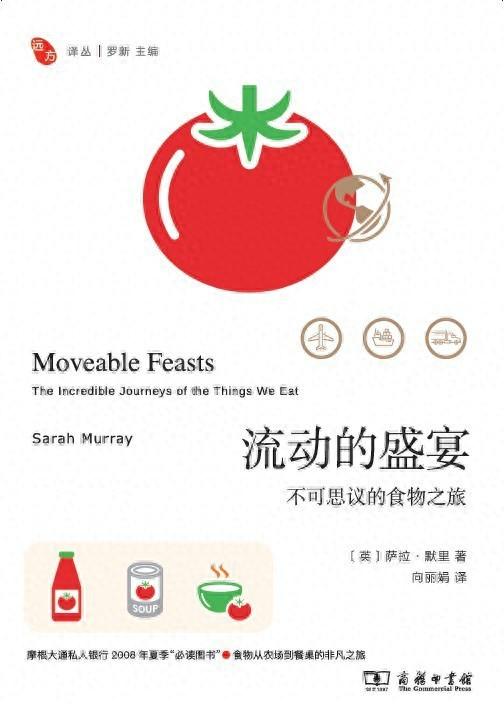
李公明|一周书记:流动的“食物之旅”中的……壮观与奇迹
Xin Lang Cai Jing· 2026-02-19 04:33
Core Insights - The book "Moveable Feasts: The Incredible Journeys of the Things We Eat" by Sarah Murray explores the complex journeys of food from production to consumption, highlighting the economic, social, and political implications of food transportation [3][5][12] Summary by Sections Food Journey and Globalization - The concept of "food miles" and "carbon footprint" is central to the discussion, reflecting the environmental impact of food transportation and the debate over local versus global food sourcing [7][20] - The book emphasizes that food transportation is not merely about the food itself but the intricate systems and technologies that enable these journeys, which have significant historical and cultural implications [11][12] Author's Background and Expertise - Sarah Murray is an experienced journalist and writer with a focus on global issues such as sustainability and social innovation, which lends credibility to her exploration of food transportation in the context of globalization [8][9] - Her firsthand experiences in various countries provide a rich narrative that enhances the understanding of food's journey across borders [9][10] Historical Context and Significance - The book addresses the historical neglect of food transportation in historical narratives, aiming to fill this gap by examining how food logistics have shaped human societies [11][12] - It discusses significant historical events, such as the Berlin Airlift, to illustrate the critical role of food transportation in political contexts [17][19] Environmental and Economic Considerations - The book presents a balanced view on the environmental criticisms of food globalization, arguing that while food miles raise awareness, they do not accurately reflect the complexities of carbon emissions associated with food transport [20][21] - It highlights the economic benefits of global food trade, particularly for farmers in developing countries, and the need for a nuanced understanding of the trade-offs involved [12][20] Technological and Cultural Impacts - The narrative explores the technological advancements in food transportation, from ancient methods to modern logistics, and their impact on food availability and cultural practices [13][16] - It emphasizes the interconnectedness of food, transportation, and societal changes, showcasing how these elements influence each other in the context of globalization [12][21]

越减越重?这些“伪健康”食物正在偷偷让你长肉
Yang Shi Xin Wen· 2025-09-14 07:40
Core Insights - The article discusses the misconceptions surrounding "sugar-free" and "low-fat" food products, highlighting that they may not be as healthy as perceived and can contribute to weight gain instead of weight loss [1][2][4][5]. Group 1: Misconceptions about Food Labels - "Sugar-free" does not necessarily mean no impact on blood sugar levels, as these products may still contain other sugars like glucose or maltose [5]. - Low-fat foods often compensate for the lack of fat with added sugars or starches, leading to higher energy content than expected [4]. - Over-reliance on "low-fat" and "sugar-free" products can disrupt nutritional balance, potentially causing health issues such as nutrient deficiencies and decreased immune function [5][6]. Group 2: Principles of Healthy Weight Loss - A balanced diet should include a variety of foods such as whole grains, vegetables, fruits, quality proteins, and healthy fats to ensure adequate nutrient intake [8]. - Controlling total energy intake is crucial for weight loss, emphasizing the need to consume fewer calories than expended [9]. - Reading nutrition labels carefully is essential to understand the actual content of energy, fats, carbohydrates, and proteins in food products [10]. Group 3: Common Weight Loss Pitfalls - Hidden energy intake in diets can hinder weight loss efforts [12]. - An unbalanced diet with excessive carbohydrates and insufficient protein can negatively affect weight loss [13]. - Fast eating speeds can lead to overeating, undermining weight loss goals [14]. Group 4: Exercise and Weight Management - Localized exercise does not specifically reduce fat in targeted areas; overall energy deficit is necessary for weight loss [19]. - Exercise can enhance fat burning, regulate hormonal balance, and improve insulin resistance, contributing to better metabolic health [20].