科学减重

Search documents
阿里健康推出科学减重攻略,医师在线指导赢黄金
Bei Ke Cai Jing· 2026-03-26 08:05
Group 1 - The core idea of the news is that Alibaba Health has launched a scientific weight loss program that includes online consultations with physicians and offers authoritative guidance during the weight loss process [1] - Users can participate in a weight loss challenge by searching for "斤斤都计较" on mobile Taobao, with the chance to win gold, promoting a shift from impulsive weight loss to a more structured and goal-oriented approach [1] Group 2 - The program emphasizes scientific management of weight loss, encouraging users to have records, supervision, and clear objectives [1]



阿里健康启动春季“减重挑战赛” 从用药服务到饮食建议全程指导
Huan Qiu Wang· 2026-03-20 07:18
Core Viewpoint - The recent health standard regarding waist circumference has sparked public interest in weight management, leading to the launch of a "Weight Loss Challenge" by Alibaba Health and several pharmaceutical companies to promote scientific weight loss methods [1][3]. Group 1: Health Standards and Statistics - The World Obesity Federation predicts that by 2035, 4 billion people globally will face overweight or obesity issues [3]. - In China, the overweight rate among adults has reached 34.3%, with an obesity prevalence of 16.4% [3]. - Obesity is linked to over 200 chronic diseases, making it a significant public health concern rather than just an aesthetic issue [3]. Group 2: Weight Loss Challenge Initiative - The "Weight Loss Challenge" aims to convert national weight management standards into actionable public participation, encouraging measurable and positive feedback [1][4]. - Participants can join by searching for specific terms on Taobao and will receive guidance from professionals throughout the challenge [4]. Group 3: Incentives and Support - The challenge includes a digital tool and incentive mechanism to help the public adopt scientific weight loss practices [4]. - Users who meet specific criteria can apply for compensation through a new insurance service, with a maximum annual payout of 1,650 yuan [5]. - Continuous medication users for three months will receive a customized health check-up service to support their weight loss journey [5]. Group 4: Broader Engagement and Education - Alibaba Health's initiatives extend beyond the challenge, including public exhibitions and interactive events aimed at educating the public about obesity and weight management [5]. - The integration of expert standards, innovative medications, and supportive services aims to provide a sustainable health path for individuals struggling with weight issues [5].

阿里健康联合信达生物等多家企业发起“减重挑战赛”
Yang Zi Wan Bao Wang· 2026-03-18 10:59
Core Viewpoint - Alibaba Health is actively addressing the growing obesity epidemic through initiatives like the "Weight Loss Challenge," aiming to promote healthy weight management among the public [2][5]. Group 1: Health Standards and Public Awareness - A recent health standard suggests that adult males should maintain a waist circumference of under 90 cm, while females should stay under 85 cm, sparking public interest in healthy weight management [2]. - The World Obesity Federation predicts that by 2035, 4 billion people globally will face overweight or obesity issues, highlighting a significant public health concern [4]. Group 2: Collaborative Initiatives - Alibaba Health has partnered with various companies, including Cinda Biopharmaceutical and Eli Lilly, to launch the "Weight Loss Challenge," encouraging users to participate through platforms like Taobao [2][5]. - In July 2025, Alibaba Health plans to release a "Scientific Weight Loss Standard" in collaboration with experts, targeting individuals with a BMI of 24 or higher to achieve specific weight loss goals [4]. Group 3: Comprehensive Weight Management Approach - The initiative emphasizes long-term health management based on medical assessments, particularly for individuals with a BMI of 28 or higher, integrating medication and lifestyle changes [5]. - Alibaba Health is also set to introduce the "Enjoy Slim Care Insurance" service in collaboration with insurance companies, further supporting weight management efforts [5]. Group 4: Educational and Interactive Campaigns - Previous campaigns include a public exhibition on abdominal obesity and interactive events aimed at educating the public about the medical aspects of obesity [5]. - The "Body Resistance Decoding Exhibition" features engaging activities and expert insights to transform health weight management into an enjoyable consumer experience [5].

体重515斤“沪上第一胖”4个月减重60斤 医生:学会与食物“握手言和”
Xin Lang Cai Jing· 2026-02-11 13:35
Core Insights - The article highlights the successful weight loss journey of a man named Mr. Lin, who lost 60 pounds in four months through a comprehensive weight management program at Xinhua Hospital in Shanghai, combining lifestyle changes, medication, and psychological support [2][3]. Group 1: Weight Loss Program - Mr. Lin's initial weight was 515 pounds with a waist circumference of 198 cm, and he became a participant in a public welfare weight loss project [1]. - The weight loss strategy involved a personalized approach, moving away from extreme dieting to a more sustainable and humane method, which included gradual dietary adjustments and self-monitoring of weight [3][4]. - The program utilized a multi-disciplinary team that provided continuous support and guidance, helping Mr. Lin to develop healthier eating habits without feeling deprived [3]. Group 2: Psychological Impact - The program emphasized the importance of mental health in weight loss, with Mr. Lin learning to have a healthier relationship with food, which contributed significantly to his success [2][4]. - The initial success in weight loss helped Mr. Lin regain confidence and reinforced his commitment to continue his weight loss journey [4]. Group 3: Future Plans - Following the initial weight loss phase, a multi-disciplinary team of experts will conduct a systematic pre-operative assessment to develop a surgical plan to further assist Mr. Lin in achieving his weight loss goals [4].
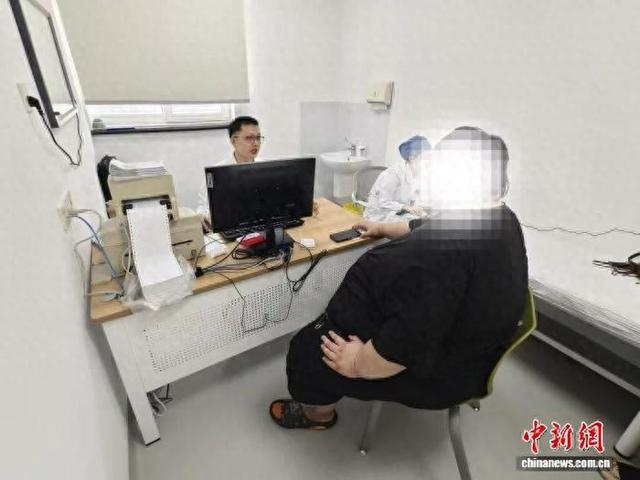
沈阳健康体重管理门诊扩至40家 全链条服务守护市民体重健康
Xin Lang Cai Jing· 2026-01-19 20:11
Core Insights - The article discusses the expansion of health weight management clinics in Shenyang, increasing from 25 to 40, with all tertiary public hospitals meeting standards to provide comprehensive services for citizens' health weight management [1] Group 1: Health Weight Management System - The Shenyang Health Commission aims for full coverage of health weight management clinics in tertiary hospitals and children's hospitals by June 2025, establishing a comprehensive service network from screening to long-term follow-up [2] - Shenyang has integrated resources from 11 departments to promote standardized construction of public hospitals, achieving full coverage in tertiary hospitals and upgrading secondary hospitals and grassroots medical institutions [2] - All 40 clinics are equipped with multidisciplinary teams, including endocrinology, nutrition, and rehabilitation, offering appointment-based consultations and referral mechanisms for citizens to access professional services nearby [2] Group 2: Multidisciplinary Collaboration - The health weight management service model in Shenyang is continuously upgraded, with leading institutions like Shenyang First People's Hospital implementing a "1+3+N" multidisciplinary collaboration model, led by general practitioners and involving clinical doctors, nutritionists, and health managers [2] - Tailored plans are developed for different populations, such as a dual-track "nutrition + exercise" plan for adolescents and low-intensity exercise guidance for elderly patients to manage obesity while considering chronic diseases [3] Group 3: Scientific Approach to Weight Management - Shenyang's public health clinics emphasize medical standardization, equipped with professional devices for comprehensive medical assessments, including body fat percentage and metabolic monitoring [4] - Interventions follow a scientific standard of not exceeding a 1% weight loss per week, utilizing dietary optimization, fragmented exercise guidance, and behavioral correction, combined with standardized medication to avoid health risks from extreme weight loss [4] - An internet-based follow-up platform allows health managers to track data on diet, exercise, and sleep, creating a closed-loop management model to effectively reduce rebound rates [4] Group 4: Future Directions - The next steps include enhancing collaboration between tertiary hospitals and grassroots medical institutions, integrating weight management services into family doctor contracts, and strengthening interventions and health education for children and adolescents [4] - Citizens can access detailed information about the 40 health weight management clinics through the Shenyang Health Commission's official website and public accounts, facilitating professional medical weight loss guidance [4]
聚焦代谢健康,“科学减重 健康轻盈”体重管理公益行启动
Bei Ke Cai Jing· 2026-01-09 14:32
Core Insights - The "Scientific Weight Loss and Healthy Lightness" public welfare initiative, organized by the Beijing Hongyuan Charity Foundation, aims to correct public misconceptions about obesity and promote a comprehensive metabolic health management approach [1][2] - The initiative addresses the rising prevalence of metabolic diseases, such as obesity and diabetes, in China, where the average BMI has increased from 22 kg/m² to over the overweight threshold of 25 kg/m² [1] - The program features six interactive activities designed to enhance public understanding of obesity and provide professional health solutions, including a focus on dietary management and exercise [1] Summary by Sections - **Public Health Issue**: The initiative highlights the significant rise in metabolic diseases, particularly obesity, which has become a major public health concern in China [1] - **Interactive Activities**: The program includes engaging activities like the "Obesity Cognition Decoding Station" and "Health Buff Charging Station" to educate the public on obesity management [1] - **Community Engagement**: The "Lightweight House" experience space, previously showcased at the China International Import Expo, is now available in Changsha, providing residents with access to body fat testing and health education [2] - **Professional Guidance**: The initiative offers residents professional medication guidance and follow-up management services to foster a scientific approach to weight management [2] - **Future Expansion**: Following the launch in Changsha, the initiative plans to expand to multiple key cities across China by 2026, promoting awareness and practices for obesity prevention [2]
预告|科学减重,为什么要来医院?
Xin Lang Cai Jing· 2026-01-08 03:31
Group 1 - The core viewpoint emphasizes that weight management is not just an aesthetic issue but a significant medical concern related to metabolic health, cardiovascular risks, and long-term quality of life [1] - Blind dieting and trendy weight loss methods can lead to serious health risks, including endocrine disorders, nutritional imbalances, and weight rebound [1] - A scientific approach to weight loss involves professional medical assessment to identify obesity types and causes, utilizing a combination of medical nutrition, exercise intervention, medication, and possibly surgery to create personalized and sustainable management plans [1] Group 2 - The program features distinguished guests, including Professor Qu Shen and Professor Bu Le, both of whom are chief physicians at the Obesity Diagnosis and Treatment Center of Shanghai Tenth People's Hospital [3][5] - The live broadcast is scheduled for January 11, 2026, at 15:00, and will be available on the Xinhua News APP and the "Medical Chat Family" video account [1]

减重门诊检查为何“繁琐”?专家大咖权威详解
2 1 Shi Ji Jing Ji Bao Dao· 2025-12-18 06:07
Core Insights - The obesity rate in China has exceeded 50% and continues to rise, posing significant health risks and increasing medical burdens [1] - The National Health Commission and 16 other departments have launched the "Weight Management Year" initiative to enhance expert resources and public education on weight management [1] - Obesity is now recognized as a major public health challenge linked to over 200 diseases, necessitating a multi-disciplinary approach to treatment [1][3] Summary by Sections Obesity as a Public Health Challenge - Obesity is not merely a cosmetic issue but a significant risk factor for various metabolic diseases, including diabetes and cardiovascular diseases [1] - Traditional single-discipline treatment methods are often ineffective, leading to cycles of weight loss and regain [1] Multi-Disciplinary Treatment Approaches - Hospitals across China are establishing multi-disciplinary weight management clinics that integrate expertise from endocrinology, nutrition, psychology, and rehabilitation [1][3] - These clinics provide comprehensive services from precise assessment to ongoing intervention, helping patients avoid ineffective weight loss methods [2][3] Importance of Comprehensive Assessments - Comprehensive assessments, including BMI, waist circumference, and body composition analysis, are essential for tailoring weight loss strategies to individual needs [3] - The focus is on distinguishing between different types of obesity, such as central obesity, which poses the greatest health risks [3] Lifestyle and Medical Interventions - Effective weight management emphasizes dietary control and regular physical activity, with recommendations for 150 minutes of moderate exercise weekly [4] - When lifestyle changes are insufficient, medications like GLP-1 receptor agonists can be considered, which have shown to reduce weight significantly and lower cardiovascular risks [4][5] Psychological Support in Weight Management - Psychological factors, such as emotional eating, are critical in obesity treatment, and interventions aim to help patients set achievable goals and develop sustainable habits [5] - The concept of weight management has evolved to include personalized approaches for both weight loss and muscle gain, reflecting a broader understanding of health [5] Nationwide Health Initiatives - The "Weight Management Year" initiative aims to create a comprehensive health network that extends from tertiary hospitals to community health centers, enhancing public health literacy [5]
生酮饮食、液断等“网红”减肥法靠谱吗?专家:慎重选择
Yang Shi Xin Wen· 2025-12-12 02:02
Core Viewpoint - The article discusses the rising popularity of various extreme dieting methods, often promoted on social media, and highlights the potential health risks associated with these "internet celebrity" diets. It emphasizes the need for a scientific and individualized approach to weight management. Group 1: Popularity and Risks of Extreme Diets - Extreme dieting methods, such as ketogenic diets and liquid fasting, are widely shared as "weight loss secrets" on social media, but many of these methods are not suitable for everyone and carry health risks [1][2][6] - Individuals who drastically limit carbohydrate intake may experience short-term weight loss, but studies show that adherence is difficult and complications can arise [3][6] Group 2: Health Consequences of Extreme Dieting - Extreme calorie restriction can lead to long-term digestive issues, such as indigestion and fatigue, and single-food diets can result in nutritional imbalances, potentially causing metabolic slowdown and fat accumulation [5][9] - Blindly following popular dieting trends can lead to serious health issues, including hair loss, insomnia, and menstrual irregularities in women, indicating that the body is suffering from improper dieting methods [9] Group 3: Recommendations for Healthy Weight Management - Experts recommend that weight loss should not rely solely on eating less but should include a balanced diet and regular exercise, focusing on energy control and nutritional balance [10][11] - For specific populations, such as obese patients, a comprehensive treatment plan tailored to individual needs is essential, and weight loss should be viewed as a long-term journey rather than a short-term sprint [13]
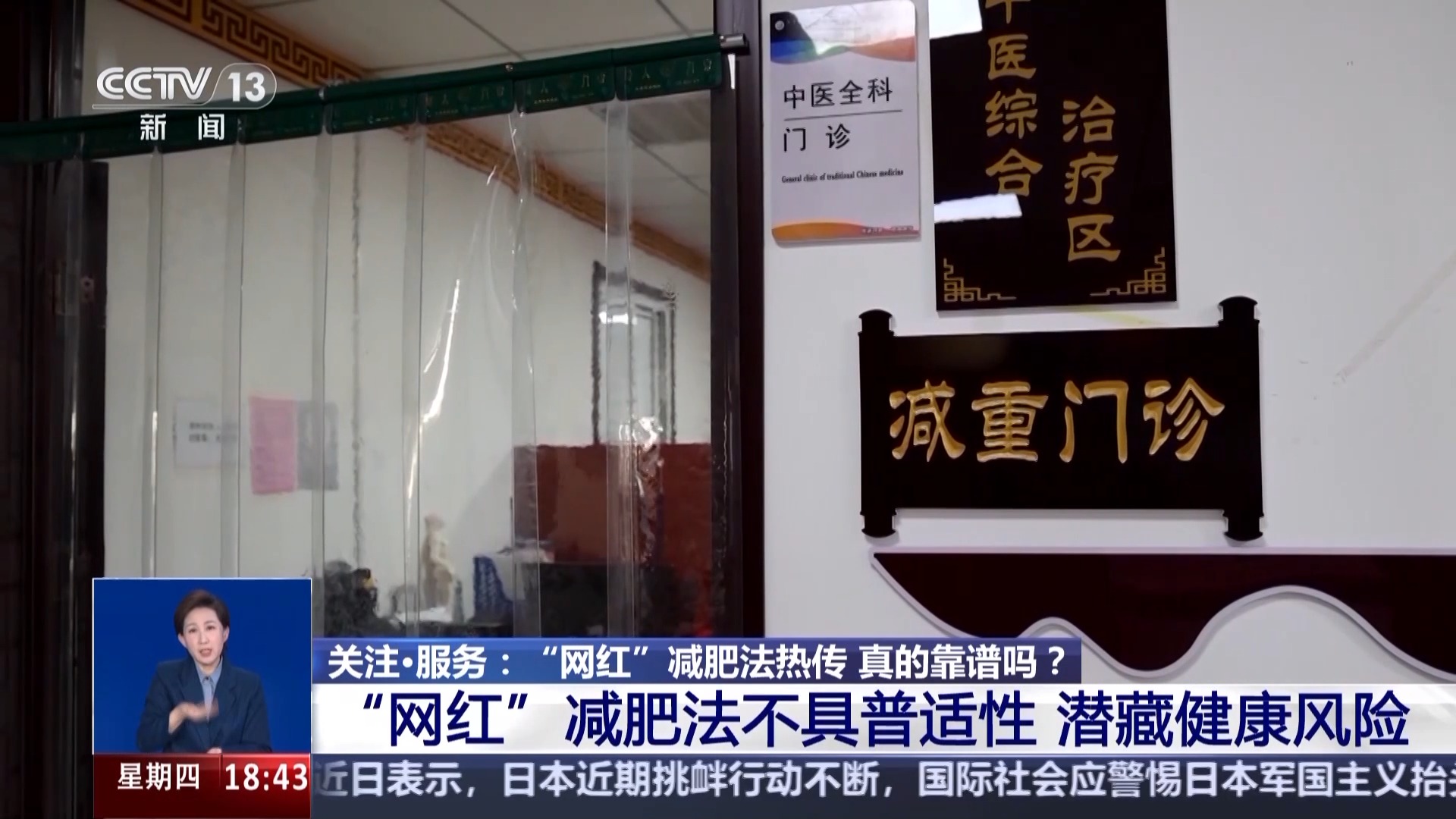
世卫组织发布GLP-1药物治疗肥胖指南,专家呼吁遵循医嘱科学减重
Di Yi Cai Jing· 2025-12-06 11:29
Core Viewpoint - The World Health Organization (WHO) has issued its first guidelines recommending the conditional use of GLP-1 (glucagon-like peptide-1) drugs for the treatment of obesity, emphasizing the need for a comprehensive management plan that includes healthy diet, regular exercise, and professional health guidance [1][3]. Group 1: Recommendations and Guidelines - GLP-1 drugs are recommended for long-term treatment of obesity in adults, excluding pregnant women, due to their significant efficacy in improving obesity and metabolic conditions, despite limited long-term safety data and high costs [1][3]. - The guidelines suggest providing enhanced behavioral interventions, including structured programs for healthy eating and physical activity, to improve treatment outcomes for adults receiving GLP-1 therapy [1][3]. Group 2: Obesity Statistics and Context - Obesity is a complex chronic disease that significantly contributes to non-communicable diseases such as cardiovascular diseases and type 2 diabetes, with the WHO projecting a global economic burden of $3 trillion by 2030 due to obesity [1]. - In China, the overweight rate among adults has reached 34.3%, with an obesity rate of 16.4%, highlighting the growing public health threat posed by obesity [3][4]. Group 3: Treatment and Management Insights - Lifestyle changes are fundamental for weight management, and while pharmacological treatments can be combined with lifestyle interventions, individual assessments are crucial for determining appropriate treatment plans [4][5]. - GLP-1 drugs exhibit dose-dependent effects, meaning different dosages can achieve varying weight loss results, and should only be used under medical supervision to ensure safety and effectiveness [5].