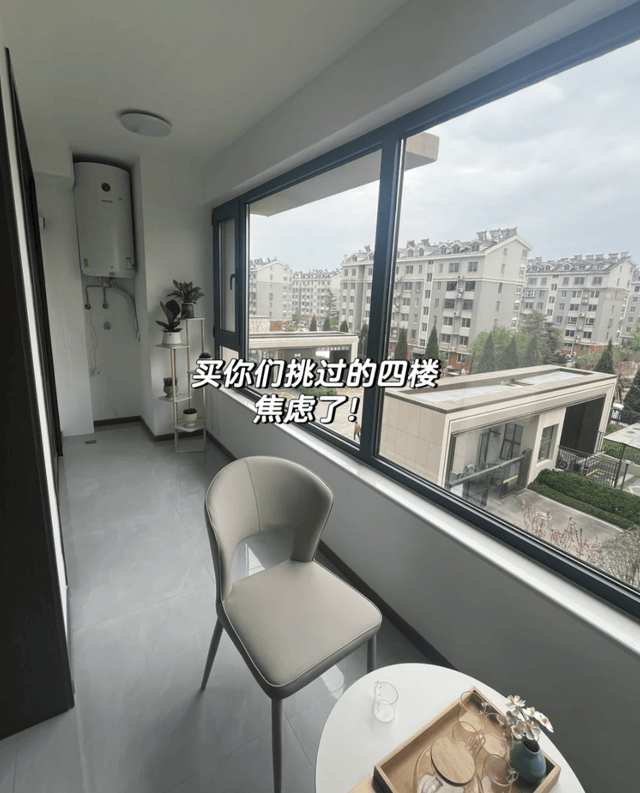
住宅楼层

Search documents
购房时需要避开一楼和顶楼?建筑学家坦言:可能你们都选错了?
Sou Hu Cai Jing· 2025-11-27 07:15
Core Insights - The article discusses the complexities and considerations involved in choosing the right floor when purchasing a property, highlighting various factors that influence buyer preferences and experiences. Group 1: Floor Selection Considerations - First-floor apartments are often perceived negatively due to concerns about humidity, lighting, and safety, but data shows that the relative humidity is about 5% higher than mid to high floors, primarily due to ground moisture [1][4] - The actual living experience on the first floor can vary significantly based on the community's design, with some residents reporting satisfaction due to convenience and comfort [2] - Top-floor apartments are associated with temperature extremes, being warmer in summer and cooler in winter, but modern insulation techniques can mitigate these issues [5][21] Group 2: Ideal Floor Ranges - A common guideline for selecting floors is to choose between one-third and two-thirds of the total floors, with the 10th to 20th floors in a 30-story building considered the "golden floors" for optimal conditions [6][20] - The "VLPNV layer," which refers to the second to fifth floors from the top, offers a balance of views and avoids the issues associated with the top floor [6][20] Group 3: Noise Distribution - Noise levels vary by floor, with lower floors experiencing less noise due to obstructions, while mid-level floors (6-15) are most exposed to noise sources [7][8] - Higher floors (16 and above) experience reduced noise levels as sound waves dissipate with height [9] Group 4: Family-Specific Preferences - Families with elderly members prefer floors between 4-8 for ease of access, while young couples may opt for 15-25 for better views and privacy [10][11] - Families with children are advised to choose between 6-12 floors for safety and adequate lighting [12] Group 5: Hidden Factors - Equipment floors and waistline layers can negatively impact living conditions due to noise and reduced light, which should be considered when selecting a unit [12][13] Group 6: Regional Variations - Climate influences floor selection, with southern regions experiencing more humidity issues on the first floor, while northern areas may not face the same challenges [13][14] Group 7: Viewing Techniques - Practical tips for viewing include checking lighting during peak hours, assessing noise levels, and testing water pressure to ensure a satisfactory living environment [15][16] Group 8: Price Discrepancies - Price variations across floors reflect market perceptions, with lower floors typically priced lower and mid-range floors holding the highest value [16][17] Group 9: Future Trends - Changing demographics and urban development are shifting preferences, with increased demand for lower floors due to an aging population and higher interest in mid to high floors among younger buyers [17][19] Group 10: Comprehensive Recommendations - The article concludes that both first and top floors can be viable options depending on individual needs and community conditions, emphasizing the importance of thorough research and professional advice [20][21]

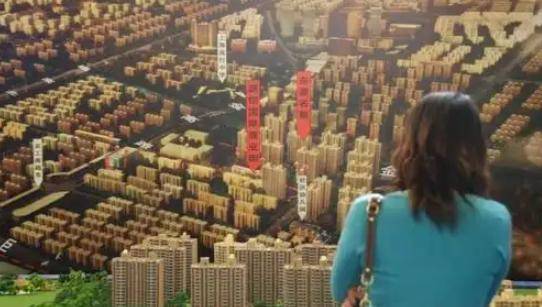
不管楼层有多高,这6个楼层是最吉利楼层,并非迷信,而是共识
Sou Hu Cai Jing· 2025-08-18 09:58
Core Insights - The article emphasizes the importance of selecting the right floor in residential buildings, highlighting that it is based on comfort and future property value rather than superstitions. The "lucky" floors are those that achieve a balance in lighting, ventilation, noise, and convenience, making them desirable in the real estate market [1]. Summary by Sections Recommended "Lucky" Floors - **18th Floor**: Often considered a premium level in high-rise buildings, it offers better views, privacy, and sunlight while avoiding dizziness associated with higher floors. It represents a comfortable lifestyle choice [2]. - **13th Floor**: Despite cultural biases against the number 13, this floor offers similar living conditions to adjacent floors but at a more affordable price, making it a potential investment opportunity [3]. - **11th Floor**: Known for its value, the 11th floor provides a good balance of price and benefits, such as reduced noise and excellent lighting, making it a solid choice for both living and future resale [5]. - **9th Floor**: This floor serves as an entry point to better views without the drawbacks of higher floors, making it a cost-effective option for those seeking a balance of sunlight and scenery [6]. - **6th Floor**: Often seen as a turning point for living experience, the 6th floor offers improved lighting and ventilation while avoiding excessive wind, making it a desirable choice [7]. - **4th Floor**: Despite negative associations with the number 4, this floor provides a practical height that avoids humidity and pests, making it a popular choice in older buildings [9]. Additional Tips for Floor Selection - **Avoid Equipment Floors**: It is advisable to steer clear of floors adjacent to equipment levels due to potential noise and electromagnetic interference [10]. - **Consider Orientation**: The choice of floor should also depend on the building's orientation; higher floors are preferable for east-facing units to capture morning sunlight, while mid to lower floors are better for west-facing units to avoid afternoon heat [12]. Conclusion - Selecting a floor is a comprehensive decision that requires consideration of various factors such as lighting, ventilation, noise, and personal needs. The so-called "lucky" floors are those that ensure comfort and peace of mind for residents [13].
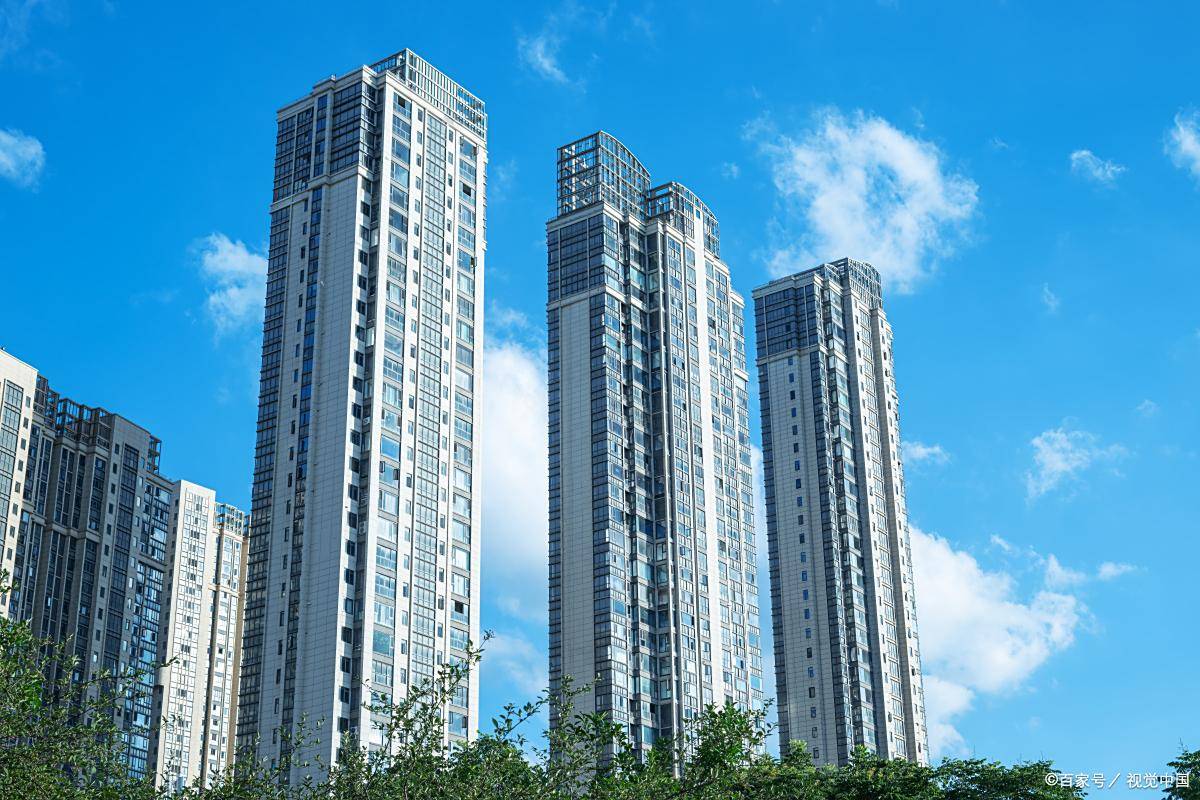
4楼、14楼、18楼、24楼不能买?其实,这“4个楼层”才要谨慎购买
Sou Hu Cai Jing· 2025-06-22 08:27
Core Viewpoint - The article discusses the common misconceptions about certain floor numbers in residential buildings and highlights the actual risks associated with specific floors, emphasizing the importance of making informed decisions when purchasing a home. Group 1: Floor-Specific Risks - The second floor is often avoided due to issues like sewage backflow, poor sunlight exposure, and increased risks of theft and noise disturbances, making it a less desirable option for buyers [3]. - The waistline floor, which is the level where decorative lines are located, suffers from significant drawbacks such as poor lighting from below, disturbances from above, and potential water damage from rain, leading to a compromised living environment [4]. - The top floor, while offering lower prices and better privacy, faces challenges such as water damage during rainy seasons and temperature control issues, which can detract from the overall living experience [6][7]. Group 2: First Floor Considerations - The first floor provides clear advantages like easy access, especially for the elderly, and lower prices, but it also has significant downsides including poor lighting, privacy concerns, and increased humidity, which can lead to pest issues [9].
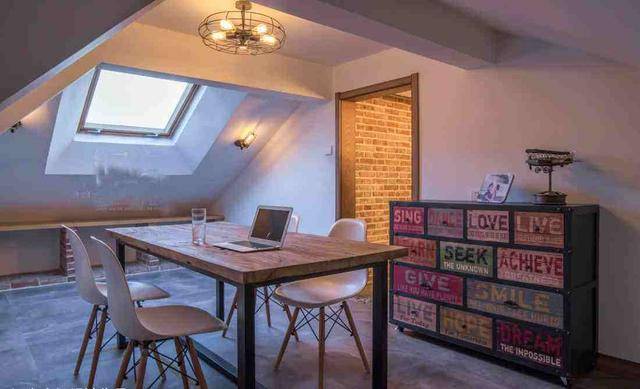
4楼、14楼大胆买,真正不能买的是这3个楼层,很多人买就后悔了
Sou Hu Cai Jing· 2025-06-17 22:05
Group 1 - The article discusses the advantages of living on the 4th floor, including auspicious meanings, convenience for going up and down, and better living conditions compared to lower floors [3][5][7] - The 14th floor is perceived as a "wealthy floor" by business people, with positive connotations and better living experiences due to its height and reduced noise [9][11] Group 2 - The article highlights the disadvantages of certain floors, such as the water leakage issues associated with the steel beam layer and old top floors, which can lead to significant maintenance problems [13][15] - Low floors adjacent to busy roads and equipment floors suffer from severe noise pollution, negatively impacting residents' quality of life [17][19] - The first floor without a yard and waistline floors are criticized for poor lighting and ventilation, leading to a decline in living experience and property value [21][22] Conclusion - The article concludes that while the 4th and 14th floors are often considered unlucky, the real concerns lie with floors prone to water leakage, noise issues, and poor lighting, which can significantly affect property value and living conditions [24]