
体外膜肺氧合设备(ECMO)

Search documents
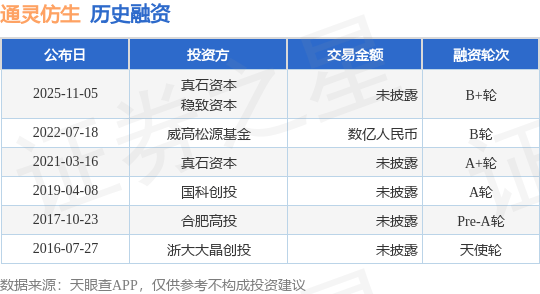
【投融资动态】通灵仿生B+轮融资,投资方为真石资本、稳致资本等
Sou Hu Cai Jing· 2025-11-12 11:30
Core Insights - Anhui Tongling Bionic Technology Co., Ltd. has completed a B+ round of financing, with the amount undisclosed, involving investors such as Zhenshi Capital and Wenzhi Capital [1][2]. Company Overview - Tongling Bionic is a provider of comprehensive solutions for heart failure throughout its lifecycle, focusing on integrated diagnosis and treatment solutions for heart failure patients [2]. - The company is engaged in the development of various innovative products for heart failure, including: - Invasive cardiac catheter pumps (pVAD) - Intra-aortic balloon pump systems (IABP) - External counterpulsation therapy systems - Non-invasive cardiac output monitoring devices - Extracorporeal membrane oxygenation devices (ECMO) [2].

“120”不出省?救护车半路加价?面对众多问题——长途医疗转运服务有待完善
Ren Min Ri Bao· 2025-07-17 00:16
Core Viewpoint - The article highlights the improvements in emergency medical services in China, particularly in pre-hospital emergency care, while also addressing the challenges faced in long-distance medical transport services. Group 1: Emergency Medical Services Improvement - The establishment of a unified emergency command and dispatch cloud platform in Yunnan has significantly reduced the average emergency response time from 17 minutes in 2020 to 12 minutes currently [2] - In Nanjing, the emergency center has implemented a model of "independent pre-hospital medical emergency," which includes unified planning and dispatch, enhancing overall emergency response efficiency [3] - The integration of emergency services with local traffic authorities has facilitated quicker transport of patients, as demonstrated by a case where a heart patient was transferred in just 13 minutes during peak traffic [3] Group 2: Long-Distance Medical Transport Challenges - There is a notable shortage of long-distance medical transport services, particularly for patients requiring interprovincial transfers, leading to delays in critical care [4][5] - Many regions lack the capability to provide cross-province transport, forcing medical professionals to resort to private transport options, which may not meet safety standards [4][5] - The need for non-emergency medical transport services is also growing, as patients may require assistance during transfers or after discharge [6] Group 3: Recommendations for Improvement - Experts suggest the establishment of standardized protocols for long-distance medical transport, including vehicle and personnel qualifications, as well as transparent pricing [9] - There is a call for the integration of non-emergency transport services with existing emergency systems to improve efficiency and meet rising public demand [9] - Recommendations include creating a cross-regional oxygen supply support system and standardizing oxygen interfaces to address the challenges faced during long-distance patient transfers [10]