余热供暖

Search documents
余热供暖大有可为
Jing Ji Ri Bao· 2026-01-13 08:30
Core Viewpoint - The innovative use of waste heat from garbage incineration in Tianjin's Dongli District demonstrates the potential for transforming waste into a sustainable heating source, significantly reducing heating costs and providing a new pathway for urban heating solutions [1][2]. Group 1: Current Heating Challenges - Urban heating demand is increasing due to rapid urbanization and extreme weather, with traditional heating methods relying heavily on coal and natural gas, which have drawbacks such as price volatility and environmental impact [1]. - The reliance on fossil fuels for heating exacerbates air pollution and increases the likelihood of smog in northern regions during winter [1]. Group 2: Potential of Waste Heat Utilization - China possesses abundant waste heat resources, with over 300,000 kilowatt power plants capable of meeting significant urban heating needs, highlighting the untapped potential of waste heat from industries like steel, chemicals, and waste incineration [2]. - Exploring diverse heating sources is essential for alleviating supply-demand conflicts and promoting energy recycling and green transformation [2]. Group 3: Implementation Strategies - Successful implementation of waste heat heating requires breakthroughs in technology, mechanisms, and collaboration [2]. - Technological advancements are needed for efficient recovery and transportation of waste heat, including the development of heat pump systems and long-distance heating techniques [2]. - Mechanism innovation is crucial to balance the interests of government, enterprises, and residents, ensuring investment returns without relying on fiscal subsidies [2]. - Cross-departmental collaboration is necessary to address construction challenges and ensure efficient delivery of heating to residents [2]. Group 4: Long-term Significance - The innovative waste heat heating approach not only saves costs and protects the environment but also provides a replicable model for urban resource recycling [3]. - Future developments may integrate waste heat with renewable energy sources like geothermal and solar energy, creating a complementary heating system [3]. - Continuous technological advancements and collaborative efforts will enhance heating efficiency and contribute to sustainable urban development [3].
“变废为暖”大有可为
Jing Ji Ri Bao· 2026-01-13 00:15
Core Viewpoint - The innovative use of waste heat from garbage incineration in Tianjin's Dongli District demonstrates the potential for transforming waste into a sustainable heating source, significantly reducing heating costs and providing a new pathway for urban heating solutions [1][2][3] Group 1: Current Heating Challenges - Urban heating demand is increasing due to rapid urbanization and extreme weather, with traditional heating methods relying heavily on coal and natural gas, which have drawbacks such as price volatility and environmental impact [1] - The reliance on fossil fuels exacerbates air pollution and increases the likelihood of smog in northern regions during winter [1] Group 2: Potential of Waste Heat Utilization - China possesses abundant waste heat resources, with over 300,000 kilowatt thermal power units capable of meeting significant urban heating needs, particularly from steel, chemical, and waste incineration plants [2] - Exploring diverse heating sources is essential for alleviating supply-demand conflicts and promoting energy recycling and green transformation [2] Group 3: Implementation Strategies - Successful implementation of waste heat heating requires breakthroughs in technology, mechanisms, and collaboration [2] - Technological advancements include improving waste heat recovery and delivery systems, such as retrofitting heat boilers and developing efficient heat pump systems [2] - Mechanism innovation is crucial for balancing interests among government, enterprises, and residents, including simplifying approval processes and ensuring fair pricing [2] - Cross-departmental collaboration is necessary to address construction challenges and ensure efficient delivery of heating to residents [2] Group 4: Long-term Significance - The innovative waste heat heating approach not only saves costs and protects the environment but also serves as a replicable model for urban resource recycling [3] - Future developments may integrate waste heat with renewable energy sources like geothermal and solar energy, creating a complementary heating system [3] - Continuous technological advancements and collaborative efforts will enhance heating efficiency and contribute to sustainable urban development [3]
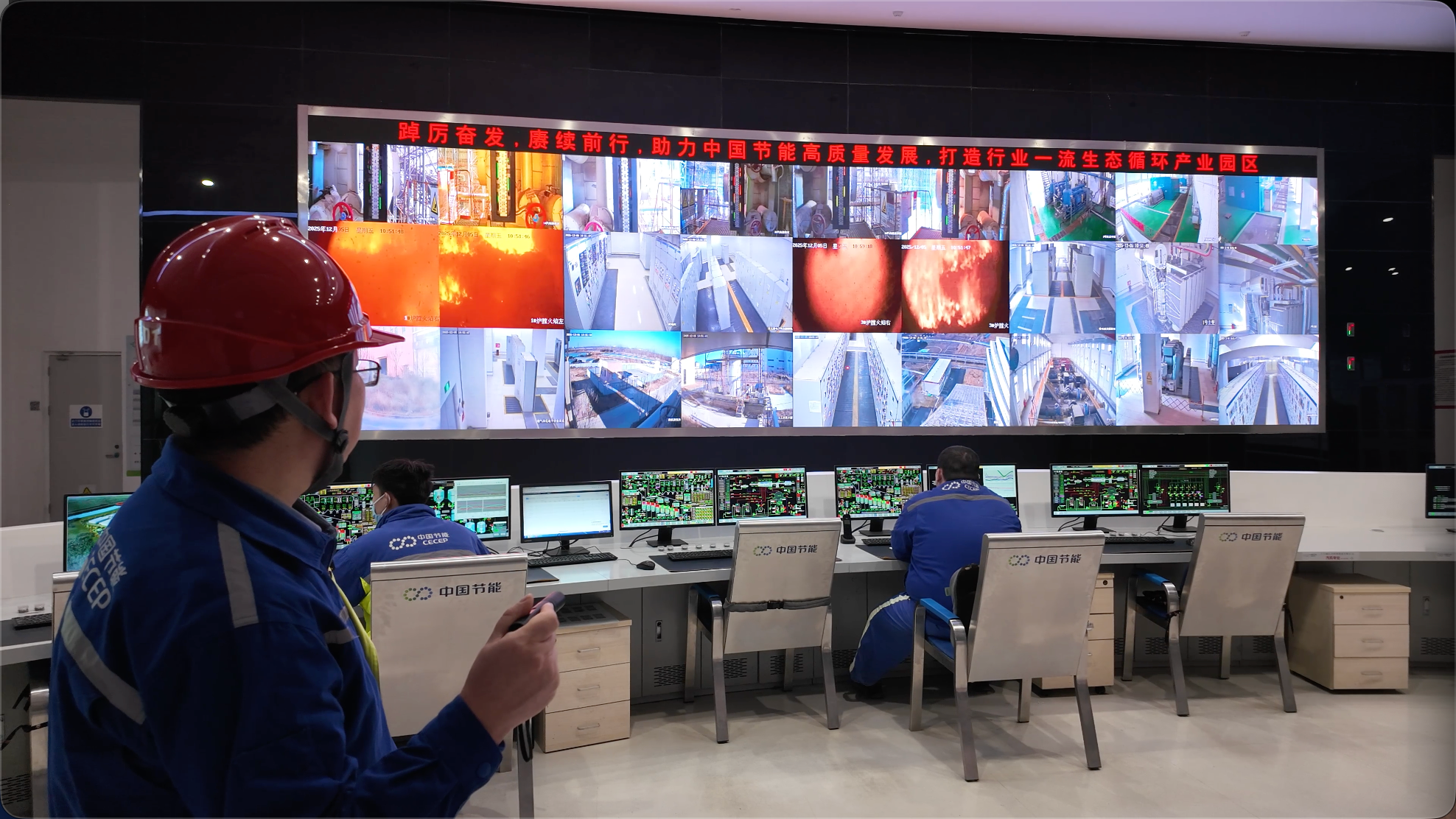
中国改革现场丨供暖新思路:垃圾变暖气 天津东丽区如何实现垃圾焚烧电厂余热供暖?
Yang Guang Wang· 2025-12-29 03:12
Core Viewpoint - The article discusses an innovative heating solution in Dongli District, Tianjin, where waste heat from garbage incineration is utilized to provide residential heating, replacing traditional gas boilers. This "warm flow revolution" highlights the potential of waste heat recovery in addressing energy costs and environmental concerns [1][13]. Group 1: Waste Heat Utilization - Dongli District collects waste heat from two garbage incineration plants to supply heating to residential areas, transforming previously wasted energy into a valuable resource [1][7]. - The project utilizes a three-stage heat extraction system, which includes a turbine heat pump that efficiently captures and transfers heat from the incineration process [5][12]. - The incineration plants process approximately 1,900 tons of household waste daily, generating significant amounts of waste heat that can be repurposed for heating [7][13]. Group 2: Technical Innovations - Key technical modifications were made to the existing equipment, including the overhaul of three boilers to ensure stable operation and reduce failures during the heating period [4][10]. - The system's first stage uses steam at around 400°C to extract heat, while subsequent stages further refine the temperature for efficient heating delivery [5][10]. - The project has successfully achieved a heating temperature of around 70°C, meeting the heating demands of approximately 300 million square meters [10][12]. Group 3: Economic and Environmental Impact - The cost of heating has been significantly reduced from 110 yuan to 55 yuan per gigajoule, resulting in substantial savings for the local government and residents [10][12]. - The project is expected to lower carbon emissions by approximately 9.33 million tons annually, equivalent to the environmental benefit of planting 8.5 million trees [13]. - The initiative not only reduces government subsidies but also enhances the quality of life for residents by providing reliable heating at a lower cost [12][13]. Group 4: Challenges and Collaboration - The project faced numerous logistical challenges, including the need to lay 12 kilometers of pipeline across various terrains and infrastructure [7][8]. - A framework cooperation agreement was established to ensure fair pricing and investment returns, facilitating collaboration between different stakeholders [8][12]. - The successful implementation of this project serves as a model for other cities to explore similar waste heat recovery solutions, promoting urban sustainability and energy efficiency [13].