
余热利用

Search documents
余热利用为清洁供暖注入新动能
Ren Min Wang· 2026-01-27 09:31
Core Viewpoint - The heating sector in China is at a critical juncture for clean and low-carbon transformation, with a focus on utilizing industrial waste heat to address high energy consumption and emissions in northern regions [1][2]. Group 1: Industrial Waste Heat Utilization - Industrial waste heat has long been a resource that is abundant yet underutilized in China's heating system, presenting a challenge for the construction of a clean heating system [2][3]. - The "Liao Heat into Jinan" project in Shandong serves as a representative example of converting waste heat into green energy, with a total pipeline length of over 100 kilometers, making it the longest and largest in the country [2][3]. - Upon full operation, the project is expected to replace approximately 1.299 million tons of standard coal and reduce CO2 emissions by about 3.56 million tons each heating season, equivalent to the carbon absorption of four Saihanba forests in a year [2][3]. Group 2: Systematic Approach to Waste Heat Utilization - The project aims not only to deliver heat but also to address the mismatch between urban heating and industrial layout through regional energy collaboration [3][4]. - Current waste heat utilization in China's clean heating system is estimated at 25%-30%, which is significantly lower than the over 50% in some mature markets, indicating substantial room for improvement [4]. - Challenges to scaling up waste heat utilization include early policies categorizing such projects as high energy-consuming, which raises project thresholds [4]. Group 3: Policy and Financial Support - Shandong has made policy advancements by not categorizing waste heat projects under high energy-consuming industries, thus facilitating resource utilization [4][5]. - The province has also established a cross-regional collaboration mechanism and clarified responsibilities for energy consumption and carbon emissions, easing institutional barriers for project implementation [4][5]. - Financially, Shandong has included some projects in government special bond support and encouraged diverse financing channels, including international financial institutions, to ensure stable funding for waste heat utilization [4][5]. Group 4: Future Energy System Development - Waste heat utilization is becoming a crucial component of a new energy system, addressing inefficiencies and unclear emission reduction paths in the existing heating system [5][6]. - The potential for waste heat recovery is significant, with the ability to support over 60% of heating needs in northern regions, backed by an extensive network of nearly 650,000 kilometers of centralized heating pipelines [5][6]. - The "14th Five-Year Plan" emphasizes systematic promotion of industrial waste heat utilization, providing a regulatory framework for scaling applications [6].
余热利用为清洁供暖注入新动能
中国能源报· 2026-01-27 04:48
Core Viewpoint - The article emphasizes the importance of utilizing industrial waste heat in the transition to a clean and low-carbon heating system in northern China, addressing the high energy consumption and emissions in the heating sector while leveraging existing waste heat resources for sustainable urban development [1]. Group 1: Industrial Waste Heat Utilization - The "Liaohe into Jinan" project in Shandong is highlighted as a representative example of effectively utilizing industrial waste heat, capable of replacing approximately 1.299 million tons of standard coal and reducing CO2 emissions by about 356,000 tons per heating season [2]. - The project aims not only to deliver heat but also to address the mismatch between urban heating needs and industrial layout through regional energy collaboration [2]. - Currently, the proportion of waste heat utilization in China's clean heating system is around 25%-30%, which is significantly lower than the over 50% seen in more mature markets, indicating substantial room for improvement [3]. Group 2: Policy and Financial Support - Shandong has made policy advancements by not categorizing waste heat projects under the "high energy consumption" management framework, thus facilitating project approvals and resource utilization [3]. - The province is also incorporating some projects into government special bond support and encouraging diverse financing channels, including international financial institutions, to ensure stable funding for waste heat utilization [4]. - The article notes that various waste heat projects are being developed across multiple cities in Shandong, demonstrating the technical maturity and economic feasibility of waste heat utilization [4]. Group 3: Energy System Transformation - The article argues that waste heat utilization is not merely an optimization of heating methods but a crucial component in constructing a new energy system, addressing inefficiencies and unclear emission reduction pathways in the current heating system [5]. - There is significant potential for waste heat recovery from various industries, including steel, cement, and chemical sectors, which could support over 60% of heating needs in northern regions if effectively harnessed [5]. - The existing infrastructure, with approximately 650,000 kilometers of centralized heating pipelines and nearly 90% coverage, provides a solid foundation for integrating waste heat into urban energy systems [5]. Group 4: Challenges and Recommendations - Despite the support for waste heat utilization, challenges remain, including the need for detailed top-level planning, insufficient inter-departmental collaboration, and a lack of understanding regarding the stability and economic viability of waste heat [6]. - Recommendations include integrating waste heat utilization into urban energy planning, utilizing financial instruments to attract private investment, and accelerating the innovation of technical standards and business models to enhance the stability and economic viability of waste heat projects [7]. - The future energy system is envisioned as one that synergizes electricity and heat, with those who effectively utilize waste heat gaining a competitive advantage in the low-carbon transition [7].


中国改革现场丨供暖新思路:垃圾变暖气 天津东丽区如何实现垃圾焚烧电厂余热供暖?
Yang Guang Wang· 2025-12-29 03:12
Core Viewpoint - The article discusses an innovative heating solution in Dongli District, Tianjin, where waste heat from garbage incineration is utilized to provide residential heating, replacing traditional gas boilers. This "warm flow revolution" highlights the potential of waste heat recovery in addressing energy costs and environmental concerns [1][13]. Group 1: Waste Heat Utilization - Dongli District collects waste heat from two garbage incineration plants to supply heating to residential areas, transforming previously wasted energy into a valuable resource [1][7]. - The project utilizes a three-stage heat extraction system, which includes a turbine heat pump that efficiently captures and transfers heat from the incineration process [5][12]. - The incineration plants process approximately 1,900 tons of household waste daily, generating significant amounts of waste heat that can be repurposed for heating [7][13]. Group 2: Technical Innovations - Key technical modifications were made to the existing equipment, including the overhaul of three boilers to ensure stable operation and reduce failures during the heating period [4][10]. - The system's first stage uses steam at around 400°C to extract heat, while subsequent stages further refine the temperature for efficient heating delivery [5][10]. - The project has successfully achieved a heating temperature of around 70°C, meeting the heating demands of approximately 300 million square meters [10][12]. Group 3: Economic and Environmental Impact - The cost of heating has been significantly reduced from 110 yuan to 55 yuan per gigajoule, resulting in substantial savings for the local government and residents [10][12]. - The project is expected to lower carbon emissions by approximately 9.33 million tons annually, equivalent to the environmental benefit of planting 8.5 million trees [13]. - The initiative not only reduces government subsidies but also enhances the quality of life for residents by providing reliable heating at a lower cost [12][13]. Group 4: Challenges and Collaboration - The project faced numerous logistical challenges, including the need to lay 12 kilometers of pipeline across various terrains and infrastructure [7][8]. - A framework cooperation agreement was established to ensure fair pricing and investment returns, facilitating collaboration between different stakeholders [8][12]. - The successful implementation of this project serves as a model for other cities to explore similar waste heat recovery solutions, promoting urban sustainability and energy efficiency [13].
全球首套!海上油气绿色转型再添“中国方案”
Bei Jing Ri Bao Ke Hu Duan· 2025-12-17 02:46
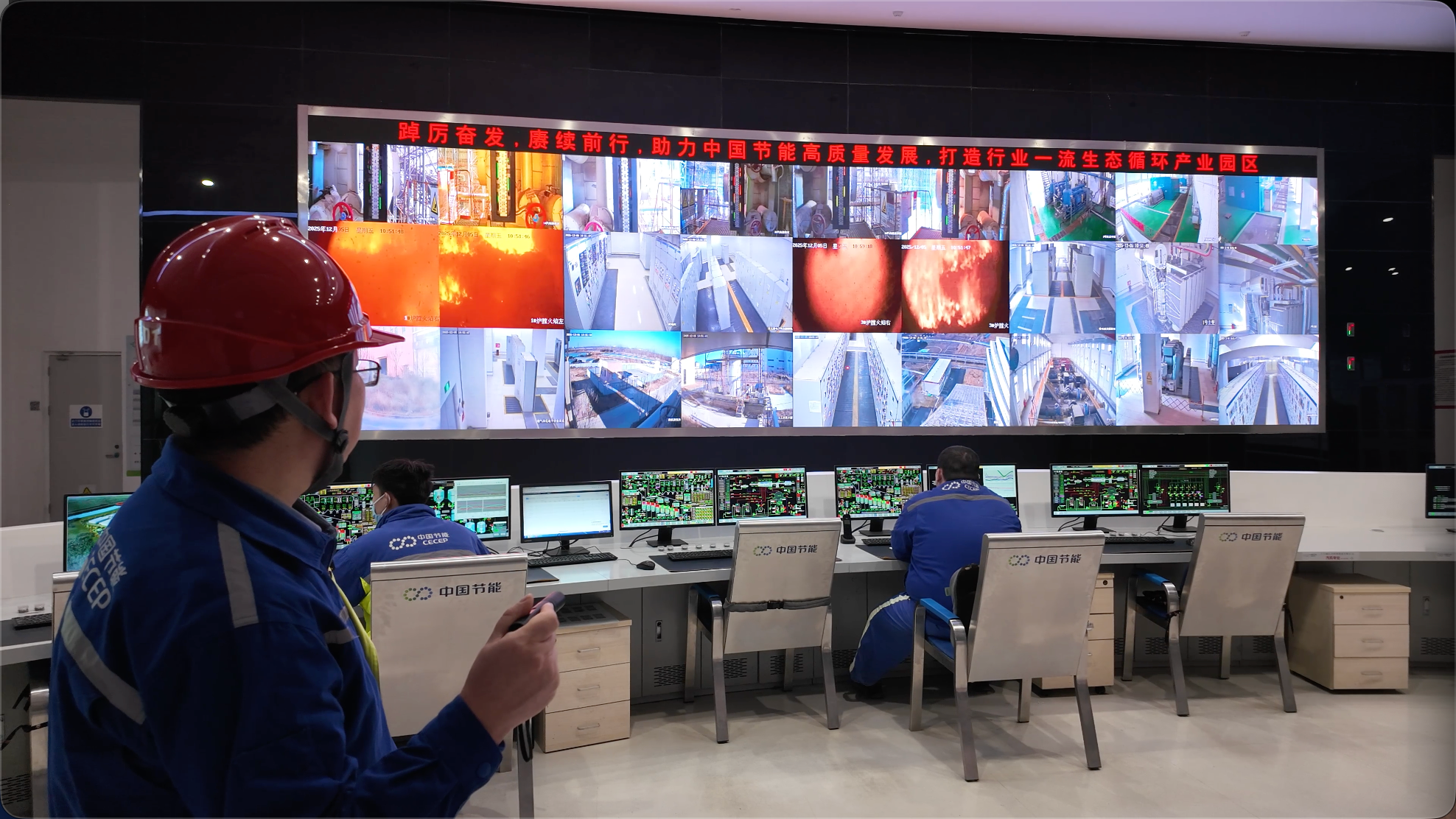
Core Insights - The world's first 5MW offshore high-temperature flue gas waste heat ORC (Organic Rankine Cycle) power generation device has successfully generated over 10 million kilowatt-hours of electricity at the Wenchang 9-7 oilfield, marking a new phase of stable and efficient operation [1] - This ORC power generation device converts waste flue gas heat into clean electricity, contributing to the green transformation of offshore oil and gas operations in China and achieving a significant breakthrough in waste heat utilization technology [1] Group 1 - The ORC power generation device serves as the "heart" of offshore platforms, traditionally generating electricity through the combustion of self-produced oil and gas, which emits a large amount of high-temperature flue gas [1] - The device utilizes high-temperature flue gas waste heat as a heat source, heating low-boiling-point organic substances to produce high-pressure steam that drives a turbine generator [1] - Since its operation, the device has improved power supply capacity by 20% and fuel utilization efficiency by 8%, significantly enhancing overall energy efficiency [1] Group 2 - The Wenchang 9-7 platform's ORC power generation device has saved approximately 6 million cubic meters of natural gas, enough to meet the annual gas needs of 20,000 households, and has reduced carbon dioxide emissions by about 9,000 tons, equivalent to planting 80,000 trees [1] - To promote energy efficiency and carbon optimization in offshore oil and gas fields, the CNOOC Research Institute is developing a green low-carbon technology system centered on three series: "Renewable Energy, Clean Energy, and New Energy" [2] - The next steps involve promoting multi-energy collaboration between traditional oil and gas, thermal, electrical, and renewable energy, aiming to build an integrated energy system and assist in achieving a "zero-carbon" future for marine energy development [2]

全长110公里!“超级暖气管”全线贯通
中国能源报· 2025-10-27 12:19
Core Points - The "Liaohe into Jinan" project has successfully completed the northern line, marking the longest and largest heat supply pipeline in China, with a total length of 110 kilometers and a diameter of 1.6 meters [1][3] - The project utilizes waste heat from the Xinyuan Power Plant in Liaocheng to provide clean heating to Jinan, significantly reducing coal consumption and carbon emissions during the heating season [3][5] - The southern line of the project is expected to be completed by the end of the year, bringing the total length of the north-south lines to approximately 150 kilometers, capable of heating 1 million square meters [5] Summary by Sections - **Project Overview**: The "Liaohe into Jinan" project aims to convert waste heat from Liaocheng's power plant into a clean heating source for Jinan, addressing the city's increasing heating demand and energy structure adjustment [3][7] - **Environmental Impact**: The project is projected to reduce coal consumption by 1.2989 million tons and cut carbon dioxide emissions by 3.564 million tons each heating season, equivalent to the carbon sequestration of four Saihanba forests in a year [5] - **Construction Challenges**: The project spans three cities and five counties, passing through 140 natural villages, with significant construction challenges, particularly the southern line's tunnel under the Yellow River, which required overcoming high water pressure and complex geological conditions [5][7] - **Future Developments**: By the end of the year, all 54 coal-fired heating boilers in Jinan's main urban area will be shut down, further enhancing the city's environmental sustainability [7]

全长110公里!我国最长的长输供热管道贯通
Yang Shi Xin Wen· 2025-10-27 06:58
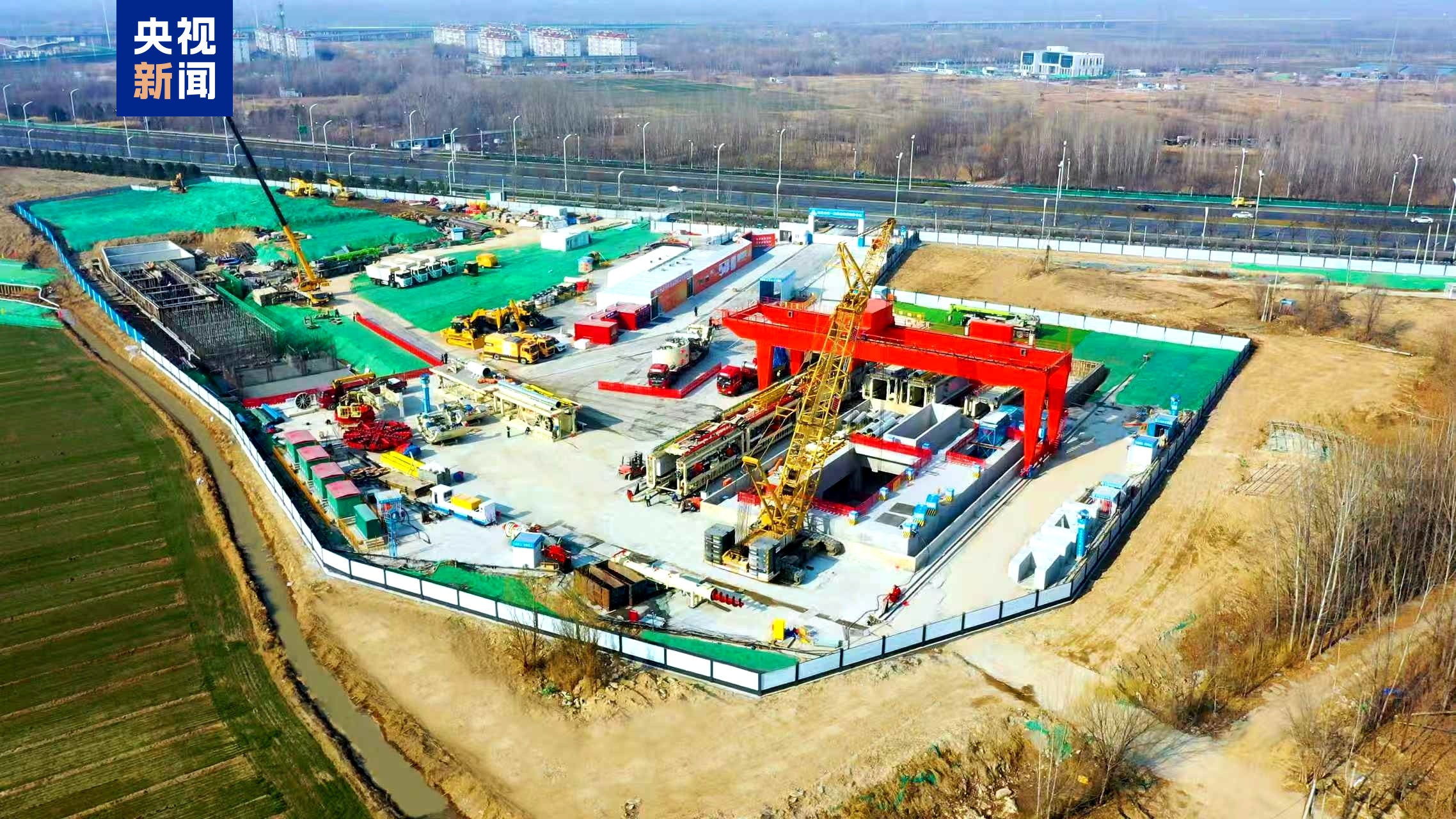
Core Viewpoint - The "Liaohotou Jinan" project has successfully completed the northern line, which will provide clean heating to Jinan city using waste heat from a power plant in Liaocheng, marking a significant step in addressing the city's heating demands and environmental concerns [1][4]. Group 1: Project Overview - The "Liaohotou Jinan" project utilizes waste heat from the Xinyuan Power Plant in Liaocheng to supply heating to Jinan, with the northern line now fully connected and undergoing cold testing for the upcoming winter heating season [1]. - The northern line of the project spans 110 kilometers with a pipe diameter of 1.6 meters, making it the longest and largest heat supply pipeline in China [1]. Group 2: Environmental Impact - The combined northern and southern lines of the project, totaling approximately 150 kilometers, are expected to provide heating for 100 million square meters and reduce standard coal consumption by 1.2989 million tons per heating season, leading to a reduction of 3.564 million tons of carbon dioxide emissions [4]. - The environmental benefits are equivalent to the carbon sequestration of four Saihanba forest farms in one year [4]. Group 3: Construction Challenges - The project crosses three cities and five counties, passing through 140 natural villages and featuring 110 key points, with the southern line facing significant construction challenges, including a tunnel under the Yellow River that extends 4,500 meters with a maximum burial depth of 55 meters [4]. - The construction team overcame high water pressure, complex geological conditions, and steep gradients to complete the longest heating tunnel in China [4]. Group 4: Urban Heating Needs - Jinan, as a major city in the Yellow River basin and a key area for air pollution transmission in the Beijing-Tianjin-Hebei region, has been under pressure to meet increasing heating demands while adjusting its energy structure [5]. - The operation of the "Liaohotou Jinan" project will allow for the shutdown of 54 coal-fired heating boilers in the main urban area of Jinan by the end of the year [5].
双良节能:公司溴化锂产品可以适用于工业及民用领域有余热、废热的场景
Mei Ri Jing Ji Xin Wen· 2025-08-14 10:03
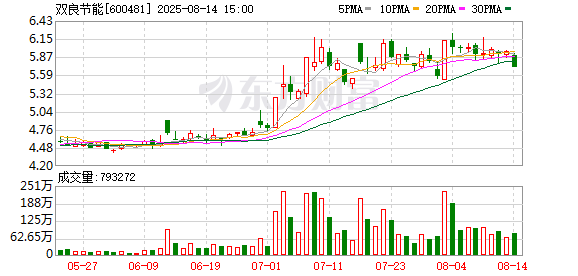
Group 1 - The company Shuangliang Energy (600481.SH) confirmed that its lithium bromide products can be used in industrial and civil applications, particularly in scenarios involving waste heat and residual heat [2] - The company indicated that its products have downstream customers from the nuclear power industry, highlighting potential market opportunities [2]

杭汽轮B(200771) - 000771杭汽轮B投资者关系管理信息20250718
2025-07-18 02:34
Group 1: Company Overview - The main business components of the company include industrial steam turbines, gas turbines, and after-sales services [1] - Key subsidiaries include Turbine Casting and Forging Company, Turbine Auxiliary Machinery Company, and others, each with specific core businesses [1] Group 2: Product Applications - Industrial steam turbines are categorized into industrial drive turbines and industrial power generation turbines, serving critical roles in various industries such as petrochemical, metallurgy, and power generation [1] - The company is focusing on innovation and market opportunities in energy-saving and waste heat utilization to counteract the decline in downstream investments [2] Group 3: Competitive Advantages - The company offers full lifecycle services and solutions, achieving parity with foreign manufacturers in terms of energy consumption and performance, while providing better delivery times and cost-effective operation [3] Group 4: Gas Turbine Development - Collaboration with Siemens has led to the sale of over 50 units of SGT800 and SGT2000E; the company has also initiated independent R&D since 2016 [4] - Investments in technology and partnerships aim to enhance operational capabilities and expand service areas [4] Group 5: Corporate Restructuring - Following the merger with Hailianxun, the company will undergo changes in name, registered capital, and governance structure to align with new business strategies [5] Group 6: Employee Engagement - Strategies to enhance employee motivation include improving wages and benefits, innovating talent development models, and fostering a strong corporate culture [6] Group 7: Future Growth Drivers - Future performance growth is expected to stem from gas turbine development, overseas sales, service sectors, and other related investments [6]
