便携式卫星背包站

Search documents
中国联通:多措并举、分秒必争开展防汛救灾工作
Ren Min Wang· 2025-07-30 09:31
Core Viewpoint - The article highlights the proactive measures taken by various branches of China Unicom to ensure communication stability and support disaster relief efforts during severe flooding across multiple regions in China, utilizing advanced technologies such as AI, drones, and satellite communication systems. Group 1: Emergency Response and Resource Allocation - Beijing Unicom activated a level one emergency response, deploying over 320 personnel, 41 vehicles, and 77 sets of emergency equipment to restore communication services [2] - Hebei Unicom upgraded its emergency response to level three, mobilizing 1,368 personnel and 363 vehicles to maintain network operations amid severe weather [4] - Jilin Unicom reported the deployment of 836 personnel and 378 vehicles to restore communication services in affected areas [7] Group 2: Technological Integration in Disaster Management - Hebei Unicom utilized drones for cable installation and high-throughput satellite backpacks for emergency communication, enhancing operational efficiency [5] - The integration of AI and big data analytics by Hebei Unicom allowed for proactive risk assessment and improved disaster response capabilities [5] - Shanghai Unicom developed an AI-based early warning system, "MAZU," to enhance disaster prediction and response [19] Group 3: Communication Services and Customer Support - Beijing Unicom offered a "no suspension" service for users in affected areas, ensuring uninterrupted communication despite unpaid bills [2] - Jilin Unicom provided 150 communication support cards to flood response personnel and sent out over 12 million emergency messages to keep the public informed [7] - Jiangsu Unicom prepared emergency communication equipment and conducted drills to enhance response capabilities for the upcoming typhoon [22] Group 4: Regional Specific Initiatives - Tianjin Unicom deployed 276 personnel and 63 vehicles to restore communication in severely affected areas, ensuring timely transmission of emergency signals [11] - Inner Mongolia Unicom quickly mobilized 395 personnel and 204 vehicles to restore damaged communication facilities, sending out 1.04 million emergency messages [12] - Fujian Unicom prepared for potential typhoon impacts by deploying 627 personnel and 324 vehicles, focusing on safety inspections and emergency readiness [17]


数智科技助力中国防汛救灾通信保障
Zhong Guo Xin Wen Wang· 2025-07-29 17:11
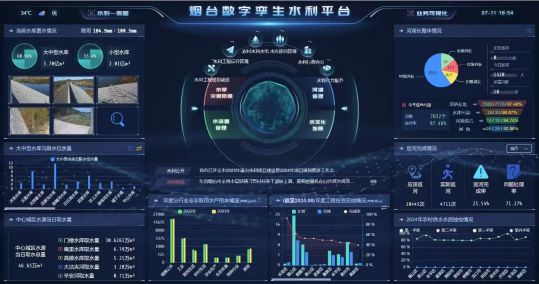
Group 1 - The core viewpoint of the articles highlights the critical role of telecommunications operators in disaster response and communication assurance during severe flooding in China, utilizing advanced technologies such as drones, portable satellite stations, and AI models [1][2] - Hebei province has experienced significant rainfall since July 24, leading to power outages and communication line damages, with drones being used to transport cables across rivers for repairs [1] - China Unicom has implemented AI, 5G, and digital twin technologies to shift from passive emergency responses to proactive disaster prevention, enhancing their data analysis capabilities [1] Group 2 - China Mobile announced a one-month free Beidou messaging service for Beijing users, allowing them to send emergency messages without network signals, thereby improving communication during emergencies [2]