促钙吸收剂

Search documents
别让骨骼“悄悄”变脆!警惕5种疼痛信号!
Ren Min Wang· 2025-10-20 01:43
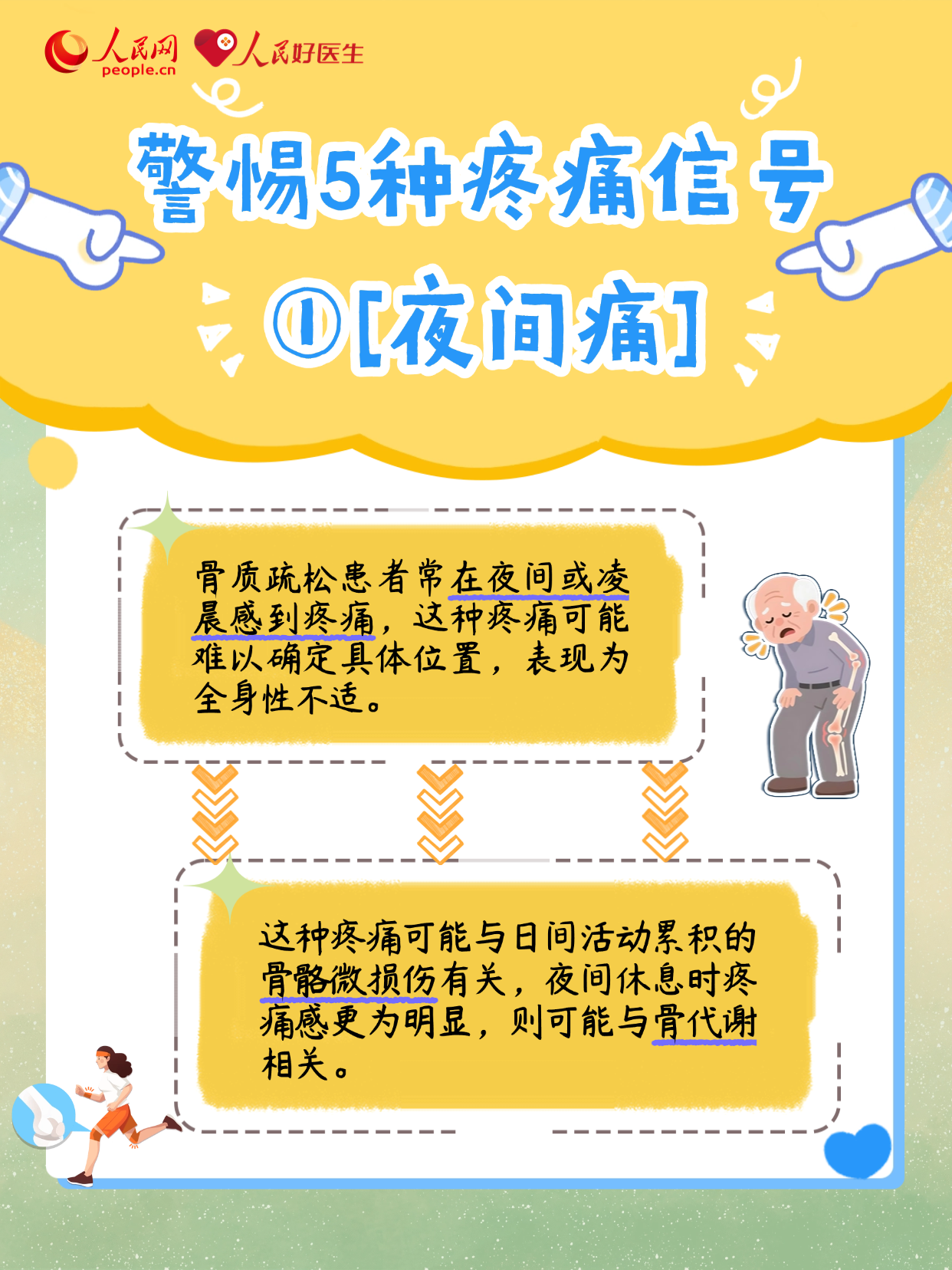
Core Viewpoint - Osteoporosis is often associated with fractures, height loss, and hunchback, but the pain signals related to osteoporosis are frequently overlooked and can manifest in various forms [1]. Group 1: Pain Signals - Common pain signals indicating osteoporosis risk include back pain, which worsens with activity, especially after prolonged standing or sitting [3]. - Limb pain may occur without obvious injury, particularly at night or in the morning, potentially linked to muscle fatigue, arthritis, or nerve compression [4]. - Chronic pain lasting weeks to years without clear injury or inflammation may relate to microstructural bone damage, muscle fatigue, or nerve injury [5]. - Severe osteoporosis can lead to acute pain during fractures in areas such as the vertebrae, femoral neck, and wrist, with pain intensifying during movements like turning or sitting up [6]. Group 2: Screening and Prevention - High-risk individuals are advised to undergo regular bone density tests, with the dual-energy X-ray absorptiometry (DXA) being the gold standard for diagnosis [8]. - Recommended dietary practices include adequate calcium intake, avoiding smoking and excessive alcohol, maintaining a healthy weight, and engaging in regular exercise [9][10]. - Vitamin D is crucial for calcium absorption, and outdoor activities are encouraged to enhance vitamin D synthesis, especially for populations with limited sun exposure [10][11].