保利天御

Search documents
城中村旧改催生新盘销冠?
Mei Ri Jing Ji Xin Wen· 2025-10-23 14:59
Core Viewpoint - Guangzhou is rapidly transforming its urban landscape through the acceleration of urban renewal projects, particularly in the context of village renovations and redevelopment initiatives [2][3][4]. Group 1: Urban Renewal Projects - Over 17 urban renewal projects are currently advancing in Guangzhou, with significant developments in various districts including Tianhe, Huangpu, Baiyun, Liwan, and Nansha [3]. - The Tianhe District's Yuangang Village urban renewal plan has been approved for comprehensive redevelopment [3]. - Huangpu District's urban village renovation has commenced, aiming to construct over 2,300 resettlement homes [3]. Group 2: Specific Project Developments - The Huangpu District's Nankang West Road urban village renovation project has officially started, covering an area of approximately 33,700 square meters and providing 1,448 resettlement homes [5]. - Baiyun District's Xiaogang Village urban renewal project has begun its first phase, with plans for 9 residential buildings totaling around 1,940 housing units [6]. - The Xiaogang Village project encompasses a total area of 119.65 hectares, with an estimated total investment of 26.19 billion yuan [7]. Group 3: Historical Context and Challenges - The Xian Village urban renewal project, which took 15 years to complete, has finally achieved full demolition of its 1,950 buildings, marking a significant milestone in urban renewal efforts [8][10]. - The project faced challenges due to rising compensation expectations from villagers, which complicated negotiations and delayed progress [10]. Group 4: Market Impact - The current wave of urban village renovations is having a decisive impact on Guangzhou's real estate market, with 52 urban village renovation projects approved for special loan financing amounting to 409.6 billion yuan [12]. - The demand for resettlement housing is driving up sales in nearby properties, with some developments becoming top sellers in the market [12][15]. - The Baiyun District's Yunlu Huacheng project has emerged as a leading example, achieving significant sales figures due to its proximity to urban renewal projects [13][15]. Group 5: Future Trends - The focus of urban renewal is shifting from expansion to quality improvement, as the market faces challenges and risks associated with new project investments [16].

历时15年,广州“土豪村”1950栋村屋终于拆除清零,周边房价已超10万
Mei Ri Jing Ji Xin Wen· 2025-07-22 11:25
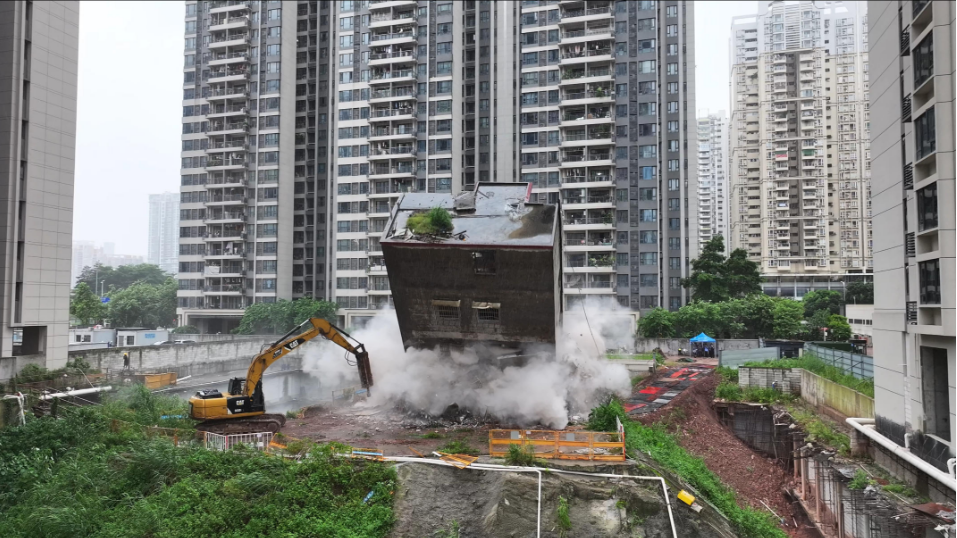
Core Insights - The Xian Village urban renewal project in Guangzhou has reached a significant milestone with the complete demolition of 1,950 village houses after 15 years of efforts, marking a breakthrough in urban renewal initiatives in China [2][3][5] Group 1: Project Overview - The Xian Village urban renewal project was initiated in 2010, inspired by the successful transformation of the nearby Liede Village [3] - The project faced numerous challenges, including high compensation expectations from villagers and negotiation difficulties with a few remaining households, which led to a prolonged stalemate [3][4] - The implementation of the "Guangzhou Urban Village Renovation Regulations" in May 2024 provided a legal framework that facilitated the acceleration of the project [4][5] Group 2: Legal and Policy Framework - The new regulations allow rural collective economic organizations to legally reclaim land use rights, which has been crucial in resolving disputes and expediting the demolition process [4][5] - The project exemplifies a shift in urban renewal strategies in China from interest-based negotiations to legally driven processes [5][6] Group 3: Market Implications - The Xian Village project is located in the core area of Guangzhou's CBD, with anticipated new developments expected to command prices exceeding 18,000 yuan per square meter [7] - The surrounding real estate market features properties listed at over 10,000 yuan per square meter, indicating a strong demand for high-end residential and commercial spaces in the area [7][8] - The project aligns with the broader trend of urban renewal in China, focusing on enhancing existing stock rather than expanding new developments, as the market faces challenges from limited land resources and economic fluctuations [8][11]