
儿童洗衣液

Search documents
儿童面霜遭遇黑产业链
3 6 Ke· 2025-11-22 03:30
Core Viewpoint - Recent reports reveal that numerous online accounts have been spreading false claims about children's products being made from industrial waste, primarily to drive traffic for e-commerce sales [1][3][10] Summary by Sections Nature of the Rumors - The rumors claim that children's creams, body lotions, and laundry products are made from industrial waste, which is identified as a "rumor-based traffic generation" tactic [3][5] - The spread of these rumors can be traced back to videos that began circulating approximately seven months ago, with a significant increase in activity noted in the last month [5][7] Mechanism of Spread - The rumors utilize alarming headlines and fabricated data, such as claims of harmful substances exceeding safety limits by 40 times, to attract attention [8][9] - The content is often produced using a template that can be easily modified with different locations, dates, and statistics, allowing for mass dissemination of misinformation [8][11] Impact on Consumers - The spread of these rumors has created significant anxiety among parents, who are particularly sensitive to issues regarding children's health [8][11] - Comments from the public indicate a growing awareness of the manipulative tactics used by these accounts, with many expressing skepticism towards the credibility of such claims [9][10] Industry Response - Experts emphasize the need for stricter content regulation and the establishment of a rumor database to improve the identification of false information [13][14] - Regulatory bodies and platforms are beginning to take action, including the removal of misleading content and the suspension of accounts involved in spreading these rumors [16][17] Long-term Implications - The ongoing spread of these rumors poses a threat to the reputation of legitimate children's product brands, potentially leading to a loss of consumer trust [11][14] - The situation highlights the necessity for the cosmetics industry to maintain transparency and uphold product integrity to foster a healthy market environment [16][17]


网传多类儿童用品有毒害?起底“造谣式起号”带货“生意经”
Yang Shi Xin Wen· 2025-11-21 01:58
Core Viewpoint - Recent rumors regarding children's health products, particularly vitamin D3, have created significant anxiety among parents, driven by misleading information and exaggerated claims on social media platforms [1][4][6] Summary by Sections Rumors and Claims - Claims about children's vitamin D3 being harmful have been circulating since February, with various versions of the narrative suggesting that a high percentage of households are affected and that harmful substances are present in excessive amounts [4][5] - Specific alarming statements include that "toxic vitamin D3 covers 90% of families" and that harmful substances exceed safety limits by factors ranging from 10 to 80 times [1][5] Tactics Used - The misinformation often follows a template, with similar phrasing and claims across different accounts, indicating a coordinated effort to spread fear [3][6] - Videos claiming that most vitamin supplements are fake and harmful lack credible sources and often use distorted visuals, suggesting a reliance on sensationalism rather than factual reporting [3] Motivations Behind Misinformation - The primary goal of these rumors appears to be generating anxiety to drive traffic and sales of alternative products, with many videos promoting supposedly "qualified" products after spreading fear [6][8] - Experts note that these tactics exploit parental concerns for profit, indicating a calculated approach to manipulate emotions for commercial gain [11][12] Regulatory Response - Experts emphasize the need for targeted regulatory measures to combat this type of misinformation, particularly those that exploit children's health topics [12] - Recent initiatives by regulatory bodies aim to address the spread of negative emotions and misinformation on social media platforms, highlighting the importance of collaborative efforts in monitoring and controlling such content [13]
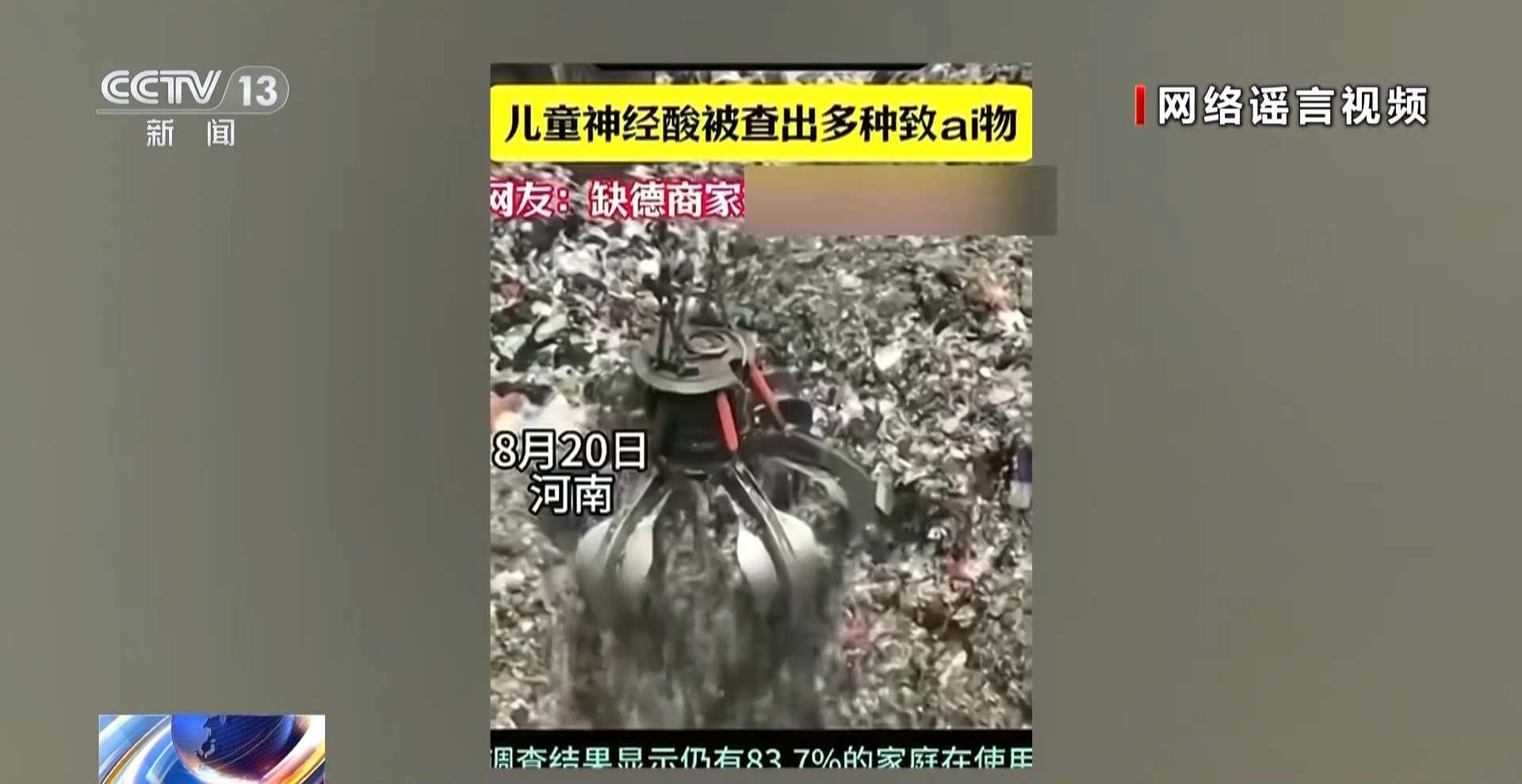
工业垃圾摇身一变成为儿童维生素和儿童面霜?起底“造谣式起号营销”套路
Yang Guang Wang· 2025-11-21 00:38
Core Viewpoint - The article highlights the alarming trend of "rumor-based marketing" targeting children's health products, where false information is spread to create fear and anxiety among parents, ultimately leading to the promotion of certain products [1][12][14] Group 1: Nature of Rumors - Various alarming claims about children's health products, such as "toxic vitamin D3" and "industrial waste in children's creams," are being circulated on social media platforms [1][12] - The content often lacks credible sources, with conflicting statistics about the prevalence of "toxic vitamin D3" in households, ranging from 67.8% to 92% [4][10] - The same accounts frequently post contradictory information, indicating a systematic approach to spreading these rumors [7][10] Group 2: Impact on Public Perception - The spread of these rumors creates significant anxiety among parents, as evidenced by the overwhelming concern expressed in comment sections of related videos [3][12] - The misinformation disrupts the normal flow of information, leading to a decline in public trust and increasing societal anxiety [12][14] Group 3: Marketing Tactics - The accounts responsible for spreading these rumors often recommend "safe products" after instilling fear, effectively monetizing the anxiety they create [12][14] - These accounts utilize fabricated authority by misrepresenting credible sources to lend legitimacy to their claims, further misleading parents [14][15] Group 4: Regulatory Response - The article discusses the need for regulatory measures to combat the spread of such harmful misinformation, including establishing rapid verification channels and increasing penalties for rumor-spreading accounts [15] - It emphasizes the importance of a multi-faceted approach to ensure the protection of children in the digital space [15]

莫让“儿童商品”成虚假营销噱头
Jing Ji Ri Bao· 2025-08-04 22:10
Core Viewpoint - The increasing prevalence of products labeled for children, such as children's laundry detergent, noodles, and backpacks, raises concerns about quality and safety, as some businesses exploit parental anxiety to market substandard goods [1] Group 1: Market Trends - There is a growing market for children's products, which often come at a higher price point compared to similar items [1] - Parents are willing to pay more for these products due to considerations of health and convenience [1] Group 2: Quality and Safety Concerns - Some children's products have been found to contain harmful substances exceeding safety standards, posing risks to children's health [1] - It is essential for manufacturers to adhere strictly to national standards in materials and production processes to enhance product quality [1] Group 3: Regulatory and Consumer Actions - Regulatory authorities are urged to strengthen oversight and take strict action against illegal production and false advertising [1] - Parents are encouraged to practice rational consumption, improve their ability to discern marketing claims, and avoid the mindset that higher prices equate to better quality [1]
新华时评:“儿童商品”的标签不能乱贴
Xin Hua She· 2025-08-04 04:08
Group 1 - The market for children's products is expanding, with items like children's laundry detergent, noodles, and backpacks increasingly popular, despite often being priced higher than similar products [1] - There have been numerous reports of problematic children's products, with some businesses exploiting parental anxiety by marketing ordinary items as "children-specific," leading to consumer deception [1] - Some children's products have been found to contain harmful substances exceeding safety limits, posing direct health risks to children [1] Group 2 - Quality and safety are fundamental for children's products, and the "children" label should represent a higher commitment to safety rather than just a marketing gimmick [1] - China has issued over 210 national standards related to children's products, covering various categories from daily necessities to toys, to ensure comprehensive safety for children [1] - The State Administration for Market Regulation has launched a three-year action plan focused on the safety of children's and students' products, emphasizing comprehensive and targeted regulatory efforts [2] Group 3 - Parents are encouraged to consume rationally and not blindly follow trends, improving their ability to discern marketing claims and evaluate products based on actual needs and quality [2] - The collaboration of multiple stakeholders is essential to enforce high standards and strict requirements in the production of children's products, ensuring safety for consumers [2]
新华时评·民生无小事|“儿童商品”的标签不能乱贴
Xin Hua She· 2025-08-01 14:14
Group 1 - The market for children's products is expanding, with items like children's laundry detergent, noodles, and backpacks increasingly popular, despite often being priced higher than similar non-child-specific products [1] - There have been numerous reports of problematic children's products, with some companies exploiting parental anxiety to market items that do not have special materials or benefits, leading to consumer deception [1] - Some children's products have been found to contain harmful substances exceeding safety limits, posing direct health risks to children [1] Group 2 - Quality and safety are fundamental for children's products, and the label "children's" should signify a higher commitment to safety and quality rather than just a marketing gimmick [1] - China has issued over 210 national standards related to children's products, covering various categories from daily necessities to toys, to ensure comprehensive safety for children [1] - The recent three-year action plan by the State Administration for Market Regulation aims for comprehensive oversight of children's and students' products, focusing on key products, issues, and areas [2] - Parents are encouraged to make rational purchasing decisions, improving their ability to discern marketing claims and not simply follow the notion that "expensive means good" [2] - Emphasizing the importance of high standards and strict requirements, collaboration among various stakeholders is essential to ensure that parents can trust the safety of products for their children [2]
“儿童商品”的标签不能乱贴
Xin Hua Wang· 2025-08-01 10:42
Group 1 - The market for children's products is expanding, with items like children's laundry detergent, noodles, and backpacks increasingly popular, despite often being priced higher than similar non-child-specific products [1] - There have been numerous reports of problematic children's products, with some businesses exploiting parental anxiety to market items that do not have special materials or functions, leading to consumer deception [1] - Some children's products have been found to contain harmful substances exceeding safety limits, posing direct health risks to children [1] Group 2 - Quality and safety are fundamental for children's products, and the "children" label should represent a higher commitment to safety rather than just a marketing gimmick [1] - China has issued over 210 national standards related to children's products, covering various categories from daily necessities to toys, to ensure comprehensive safety for children [1] - The recent three-year action plan by the State Administration for Market Regulation aims for comprehensive oversight of children's and students' products, focusing on key products, issues, and areas [2] - Parents are encouraged to consume rationally and improve their ability to discern marketing claims, avoiding the mindset that higher prices equate to better quality [2] - Collaborative efforts are necessary to implement high standards and strict requirements in the production of children's products, ensuring safety for consumers [2]