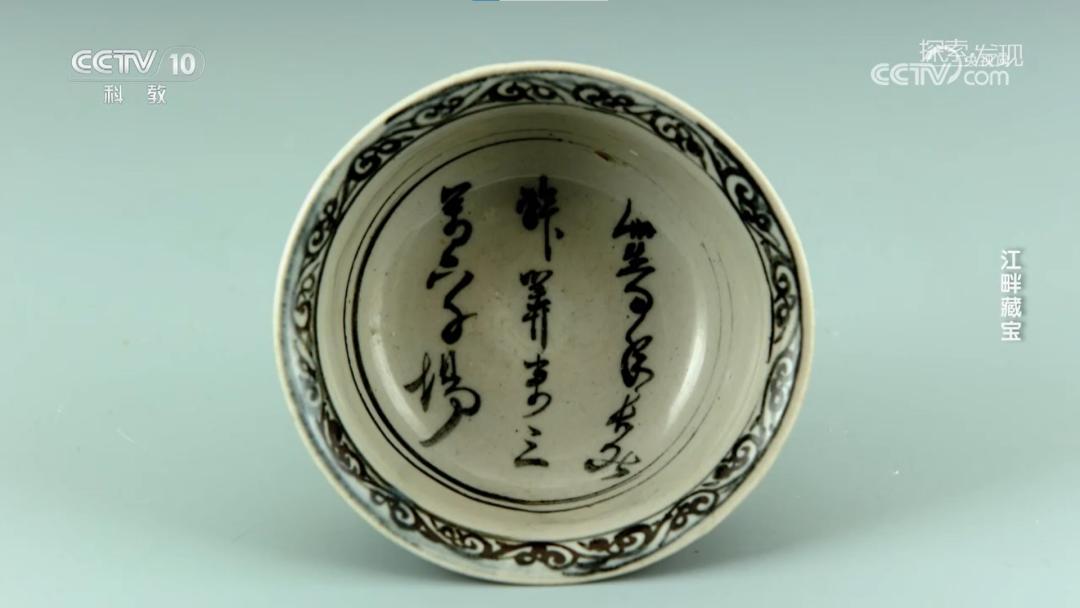
元青花

Search documents
中西合璧显包容
Xin Lang Cai Jing· 2026-01-29 19:50
Group 1 - The article discusses the historical significance of Linxi region during the Yuan Dynasty, highlighting its role as a key trade hub for goods between the Central Plains and the northern grasslands [1] - Yuan blue and white porcelain emerged as a major export during this period, facilitating trade with regions such as Southeast Asia, West Asia, and East Africa, and serving as a vital cultural exchange medium [1] - The design of dragons in Yuan blue and white porcelain reflects a blend of Central Plains culture and nomadic traditions, showcasing a unique artistic style that emphasizes strength and valor [1] Group 2 - Cloud patterns in Central Plains culture symbolize auspiciousness and, when combined with dragon motifs, create a sense of majesty and dynamism, representing supreme royal authority [2] - Yuan blue and white porcelain embodies the beauty of cultural fusion between the East and West, utilizing traditional Chinese craftsmanship while incorporating foreign decorative elements [2] - The use of high-quality porcelain clay from Jingdezhen and the adoption of imported materials demonstrate the integration of domestic and international influences in the evolution of Chinese ceramic art [2]
“元青花:景德镇考古新发现”特展举办
Ren Min Ri Bao Hai Wai Ban· 2025-12-03 01:04
Core Viewpoint - The exhibition "Yuan Blue and White: New Archaeological Discoveries in Jingdezhen" showcases over 400 pieces of Yuan Dynasty ceramics, with some artifacts being publicly displayed for the first time, highlighting the collaboration between Jingdezhen Imperial Kiln Museum and the Chinese University of Hong Kong [1][2]. Group 1: Exhibition Details - The exhibition features artifacts excavated from the Luoma Bridge kiln site in Jingdezhen, with a focus on balancing preservation and display through the use of resin and 3D printing technology [1]. - It is divided into three sections: "The Rise of Yuan Dynasty Ceramics," "Cultural Exchange: The Origin and Use of Yuan Blue and White," and "Global Influence: Overseas Consumption of Yuan Blue and White," covering historical, cultural, and trade aspects of Yuan blue and white ceramics [1]. Group 2: International Conference - The opening day of the exhibition coincided with the second conference of the International Ceramic Research Alliance, attended by nearly a hundred experts from over 20 countries, discussing topics such as archaeological discoveries and the global flow of Yuan blue and white ceramics [2]. - The International Ceramic Research Alliance was established in October 2023, with workstations set up in multiple countries, aiming to promote international collaborative research in the field of ceramic history and culture [2].
东西问丨张松林:唐青花“青白美学”何以成为跨文明对话的视觉语言?
Zhong Guo Xin Wen Wang· 2025-10-21 12:30
Core Viewpoint - Tang blue and white porcelain, known for its "blue and white aesthetics," has emerged as a significant visual language for cross-cultural dialogue, with its historical and cultural significance being re-evaluated in recent years [10]. Group 1: Historical Significance - Tang blue and white porcelain was long considered exclusive to the Yuan, Ming, and Qing dynasties, but archaeological work since the 1970s has shifted focus to Tang blue and white, marking its importance in Chinese ceramic history [4]. - The discovery of a Tang blue and white pillow fragment in 1975 at the Tang City site in Yangzhou initiated scholarly interest, leading to further findings in various locations, including the identification of Gongxian as the birthplace of Tang blue and white [4][6]. - The development of Tang blue and white was influenced by cultural exchanges along the Silk Road, particularly the introduction of cobalt blue pigments by Persian merchants, which significantly impacted Chinese porcelain production [6]. Group 2: Artistic Characteristics - Tang blue and white porcelain differs from Yuan blue and white in terms of body, glaze color, decorative patterns, and cultural connotations, with early Tang pieces having thicker bodies and more impurities compared to the refined Yuan pieces [7]. - The aesthetic features of Tang blue and white, including its simple patterns and color variations, reflect a blend of Eastern and Western artistic elements, making it a unique cultural artifact [8][11]. Group 3: Cultural and Economic Impact - The "blue and white aesthetics" of Tang blue and white porcelain has gained recognition as a cultural IP, attracting a global audience and generating significant economic value through various forms of cultural products and collaborations [10]. - The high recognition and universality of Tang blue and white aesthetics allow it to transcend cultural barriers, making it an effective visual language for promoting cross-cultural dialogue [11].


在火辣辣的江西,藏着淡人的快乐老家
3 6 Ke· 2025-05-12 11:42
Group 1 - The article highlights the unique cultural and natural landscape of Yichun, contrasting it with the more vibrant and bustling cities in Jiangxi province, emphasizing a serene and tranquil lifestyle [1][2] - Yichun is characterized by its historical significance, with notable figures such as Han Yu and Zhu Xi having praised its beauty and tranquility, contributing to its cultural heritage [2][3] - The region is home to the famous Mingyue Mountain, known for its peaceful environment and natural beauty, attracting visitors seeking a calm retreat [2][3] Group 2 - Yichun's name is derived from its spring-like waters, with numerous natural hot springs, particularly the selenium-rich springs in Wengong Town, which are noted for their health benefits [4][5] - The article describes the ancient villages and cultural sites surrounding Yichun, showcasing the region's rich history and architectural heritage, including the high concentration of ancestral halls [5][7] - The local cuisine, particularly the "Zha Fen" and "Cihua Chicken," reflects the region's agricultural abundance and culinary traditions, emphasizing the importance of local ingredients and flavors [9][10][12]