
光辉战斗机

Search documents
印度“光辉”战机事故频发
Xin Lang Cai Jing· 2026-02-25 18:57
Core Viewpoint - The repeated accidents of India's "Tejas" fighter jet highlight systemic issues within the country's domestic aviation manufacturing industry, raising concerns about safety and reliability [2][4][5]. Group 1: Accident Details - On February 7, an Indian "Tejas" fighter jet skidded off the runway upon returning to base after training, resulting in significant damage to the aircraft but no casualties [2]. - This incident marks the third major accident involving the "Tejas" since its induction in 2015, raising alarms about its safety [2]. - Previous incidents include a crash during a training mission in March 2024, where the pilot ejected safely, and a fatal crash during a flight demonstration at the Dubai Airshow in November 2025 [2][3]. Group 2: Technical and Development Challenges - The accidents are attributed to multiple factors, including technical failures during takeoff and landing, and the need for further validation of onboard system reliability [3]. - The development history of the "Tejas" spans over 40 years, with the project facing significant delays and budget overruns due to challenges in developing indigenous engines and integrating advanced technologies [3][4]. - The reliance on external suppliers for critical technologies, such as engines and avionics, has resulted in a complex integration of various technologies from different countries and eras, increasing operational risks [4]. Group 3: Implications for the Aviation Industry - The frequency of accidents may undermine international confidence in the "Tejas," potentially affecting its safety ratings and marketability [5]. - If the underlying issues are not addressed promptly, it could hinder India's competitiveness in the global defense market [5].

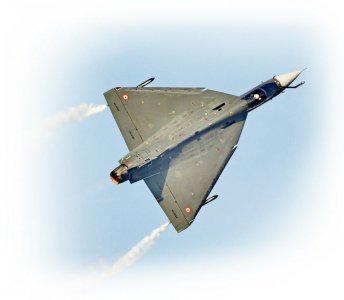
“光辉”战机着陆时冲出跑道,印度空军停飞全部约30架单座机型
Xin Lang Cai Jing· 2026-02-23 12:30
Group 1 - The Indian Air Force has grounded all approximately 30 single-seat Tejas fighter jets following a runway incident on February 7, where one aircraft suffered significant damage after reportedly experiencing brake failure during landing [1][3] - The Tejas fighter jet is an indigenous single-engine multi-role light combat aircraft developed by the Aeronautical Development Agency and Hindustan Aeronautics Limited (HAL), designed for operations in high-threat environments [3] - This incident marks the third major crash involving the Tejas fighter jet since its service began, with previous accidents occurring in March 2024 and November 2025, both resulting in pilot safety but raising concerns about the aircraft's reliability [3][4][6] Group 2 - The Tejas MK-1A program is currently facing delays, with the Indian Ministry of Defence having signed contracts worth ₹480 billion (approximately 36.5 billion RMB) in February 2021 for 83 Tejas MK-1A jets, and an additional contract worth ₹623.7 billion (approximately 47.4 billion RMB) in September 2025 for 97 more jets [6][8] - The delays in the Tejas MK-1A project have been attributed to General Electric Aerospace's failure to deliver the necessary engines on time, impacting the overall delivery schedule [8] - The Indian Air Force is set to conduct a critical evaluation of the Tejas MK-1A project in April, aiming to expedite delivery without compromising operational capabilities, while remaining firm on core combat requirements [8]
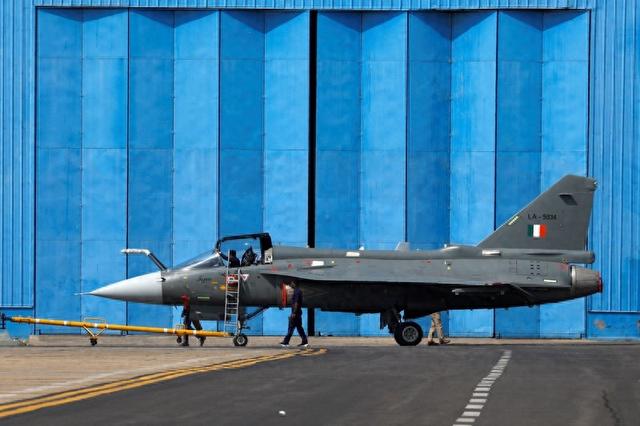
印度一架“光辉”战机冲出跑道受损
Mei Ri Jing Ji Xin Wen· 2026-02-23 11:27
Core Viewpoint - An Indian Air Force "Tejas" fighter jet experienced a serious accident on the 7th of this month, resulting in significant damage to the aircraft but no casualties reported [1] Group 1: Incident Details - The fighter jet reportedly lost braking capability while landing, leading to it running off the runway and sustaining severe structural damage [1] - This incident marks the third major accident involving the "Tejas" fighter jet since its induction into service in 2015 [1] Group 2: Official Response - The Indian Air Force has not yet issued an official statement regarding the incident [1]
“光辉”战机再出事故 印度空军已停飞其全部约30架该型战机进行全面技术检查
Xin Lang Cai Jing· 2026-02-23 09:22
Core Viewpoint - The Indian Air Force has grounded all approximately 30 units of the indigenous "Tejas" fighter jets for comprehensive technical inspections following a serious incident involving one aircraft that reportedly suffered brake failure and skidded off the runway, resulting in significant damage and potential write-off of the aircraft [1] Group 1 - An incident occurred on February 7, where a "Tejas" fighter jet experienced suspected brake failure, leading to it leaving the runway and sustaining severe damage [1] - The pilot was able to safely eject from the aircraft during the incident [1] - The Indian Air Force's decision to ground all "Tejas" fighter jets is a precautionary measure to ensure safety and conduct thorough technical checks [1]
印媒:“光辉”战机再出事故,印度空军已停飞其全部约30架该型战机进行全面技术检查
Huan Qiu Wang· 2026-02-23 08:46
Group 1 - A domestic "Tejas" fighter jet of the Indian Air Force reportedly suffered a brake failure and skidded off the runway, resulting in significant damage and potential write-off, with the pilot safely ejecting [1][3] - The Indian Air Force has grounded all approximately 30 single-seat "Tejas" fighter jets for comprehensive technical inspections following the incident [1][3] - Preliminary assessments suggest that the cause of the accident may be a technical failure related to onboard systems [3] Group 2 - This incident marks the third accident involving the "Tejas" fighter jet, with previous incidents occurring in March 2024 and November 2025 [3] - The "Tejas" MK1A project is currently facing delays, with the Indian Air Force having ordered 180 units, but deliveries are nearly two years behind schedule [3] - Hindustan Aeronautics Limited, the manufacturer, has repeatedly missed deadlines for delivering this model to the Indian Air Force [3]
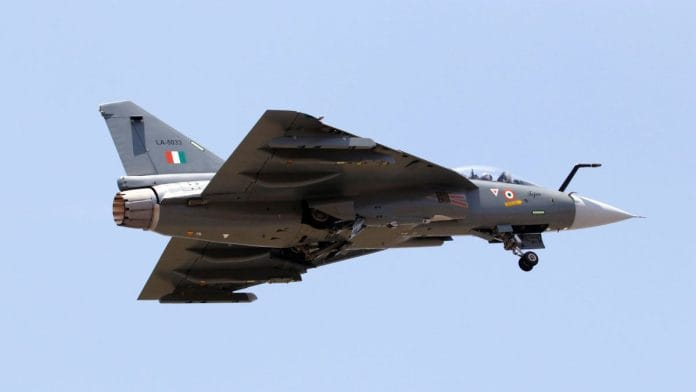
印度要买114架“阵风”
中国能源报· 2026-02-13 07:16
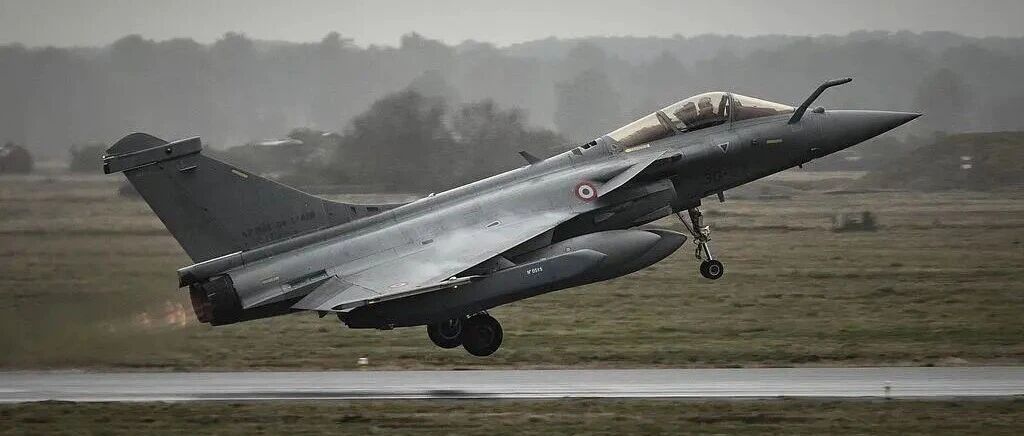
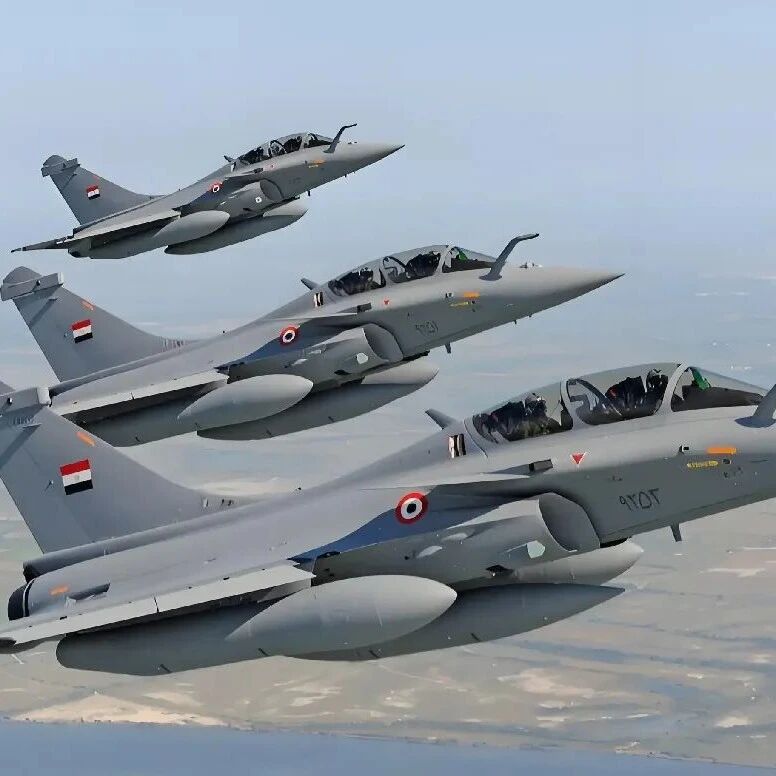
Core Viewpoint - India plans to invest 3.25 trillion rupees (approximately 35.8 billion USD) to purchase 114 Rafale fighter jets from French company Dassault Aviation, addressing the shrinking size of its Air Force squadrons [1]. Group 1: Defense Procurement - The Indian Defense Procurement Board approved a preliminary proposal for the acquisition of 114 Rafale fighter jets on February 12 [1]. - The Indian Air Force's squadron size has decreased to 29, significantly below the authorized 42 squadrons, with the MiG-21 being retired in September last year [1]. Group 2: Domestic Manufacturing - Prime Minister Modi's recent initiatives have promoted the development of domestic manufacturing in the defense sector, aiming to reduce reliance on imported military equipment [1]. - Hindustan Aeronautics Limited has received nearly 180 domestic orders for the upgraded Tejas MK-1A fighter jets, but deliveries have not yet started due to supply chain issues with the engines from General Electric Aerospace [2].
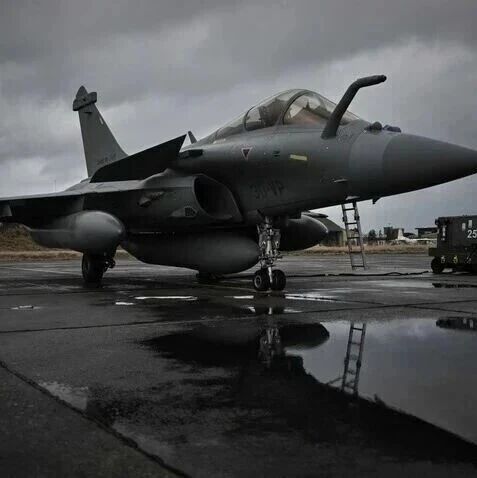
印度要买114架“阵风”
第一财经· 2026-02-13 01:13
Core Viewpoint - The Indian government is planning to spend approximately 3.25 trillion rupees (around 35.8 billion USD) to procure 114 Rafale fighter jets from Dassault Aviation, highlighting the urgent need to bolster the Indian Air Force's capabilities as its squadron strength has dwindled to 29, significantly below the sanctioned 42 [3][4]. Group 1 - The Indian Air Force's squadron strength has decreased to 29, with the primary aircraft MiG-21 retired in September last year, and other models like MiG-29 and Mirage-2000 set to retire in the coming years [3]. - The Indian military has historically relied on imported military equipment, but recent initiatives by Prime Minister Modi have aimed to promote domestic manufacturing [3]. - The indigenous fighter jet era for the Indian Air Force began in the 1980s, but significant progress was only made in the last decade with the induction of the Tejas fighter jet, which is gradually replacing the Soviet-era MiG-21 [4]. Group 2 - Hindustan Aeronautics Limited has received nearly 180 domestic orders for the upgraded Tejas MK-1A fighter jets, but deliveries have yet to commence due to supply chain issues with engines from General Electric Aviation [4].
印度要买114架“阵风”
券商中国· 2026-02-12 12:45
Group 1 - The Indian Defense Procurement Committee has approved a preliminary proposal to spend 3.25 trillion rupees (approximately 280.4 billion USD) to purchase 114 Rafale fighter jets from Dassault Aviation [1] - The Indian Air Force's fighter squadron strength has decreased to 29, significantly below the sanctioned 42 [1] - The Indian military has historically relied on imported machinery and weaponry, but recent initiatives by Prime Minister Modi have aimed to boost domestic manufacturing [1] Group 2 - The era of indigenous fighter jets for the Indian Air Force began in the 1980s, but significant progress was only made in the last decade with the induction of the Tejas fighter jet [1] - Hindustan Aeronautics Limited has received nearly 180 domestic orders for the upgraded Tejas MK-1A fighter jets, but deliveries have not yet started due to supply chain issues with General Electric Aviation [1]
永远的“明日之星”,印度光辉战斗机研制42年仍未成熟
Yang Zi Wan Bao Wang· 2025-11-21 13:14
Core Viewpoint - The Indian Light Combat Aircraft (LCA) Tejas, a symbol of India's indigenous aerospace industry, has faced significant delays and challenges in its development, leading to questions about its operational readiness and export potential [5][6]. Group 1: Development Timeline and Challenges - The LCA project began in 1983 but has experienced severe delays, with the first technology demonstrator only flying in 2001, nearly 10 years behind schedule [3]. - Initial operational clearance was granted in 2011, but the first batch of aircraft was not delivered to the Indian Air Force until February 2020, indicating a prolonged development cycle of 42 years [3]. - The current fleet consists of approximately 31 single-seat and 6 twin-seat variants, totaling around 37 aircraft, with further improvements still in testing [3]. Group 2: Technical and Performance Issues - The LCA has a low thrust-to-weight ratio, categorizing it as a "weaker" light fighter, and despite claims of 59%-70% indigenous content, it remains heavily reliant on imported critical components such as engines, radars, and missiles [3][5]. - The aircraft has achieved technological breakthroughs in areas like fly-by-wire control and composite materials, but project management issues and performance compromises have led to its reputation as a "perpetual star of tomorrow" [5]. Group 3: Recent Incidents and Impact on Export Plans - The LCA experienced its first crash in March 2024 due to an engine oil pump failure, with the pilot successfully ejecting [6]. - A second crash occurred during a performance at the UAE Airshow on November 21, 2023, which is expected to negatively impact India's ambitious plans for exporting the LCA [6].

印度最后一批米格-21战斗机退役
Xin Hua Wang· 2025-09-27 03:30
Core Points - The Indian Air Force officially retired its last two squadrons of MiG-21 fighter jets, marking the end of the service for the first supersonic jets in India [1] - The MiG-21, developed by the Soviet Union in the 1950s, was one of the most widely used fighter jets globally and was introduced to the Indian Air Force in the 1960s [1] - The Indian government has not announced plans for the retired MiG-21s, but speculation suggests they may be used for public display [1] Group 1 - The farewell flight for the two squadrons, totaling 36 MiG-21 aircraft, took place at an air force base in Chandigarh, attended by the Indian Defense Minister and senior air force officials [1] - The MiG-21 has been criticized for safety issues, earning the nickname "flying coffin," with approximately 400 recorded crashes globally over 60 years, resulting in the deaths of 200 pilots [1] - Despite its flaws, the MiG-21 has been recognized for its historical contributions and has served as a backbone of the Indian Air Force for decades [2] Group 2 - The Indian government recently signed a $7 billion order to procure 97 domestically developed Tejas fighter jets, indicating a push towards indigenous aircraft production [2] - In addition to domestic production, India has also purchased 36 Rafale fighter jets from France and ordered 26 more earlier this year [2] - India is collaborating with a French company to develop fighter jet engines, with plans for future domestic production [2]