免税店运营服务

Search documents
运营商和结算方式全变了,上海机场免税店生意“换血”
Di Yi Cai Jing· 2025-12-18 09:53
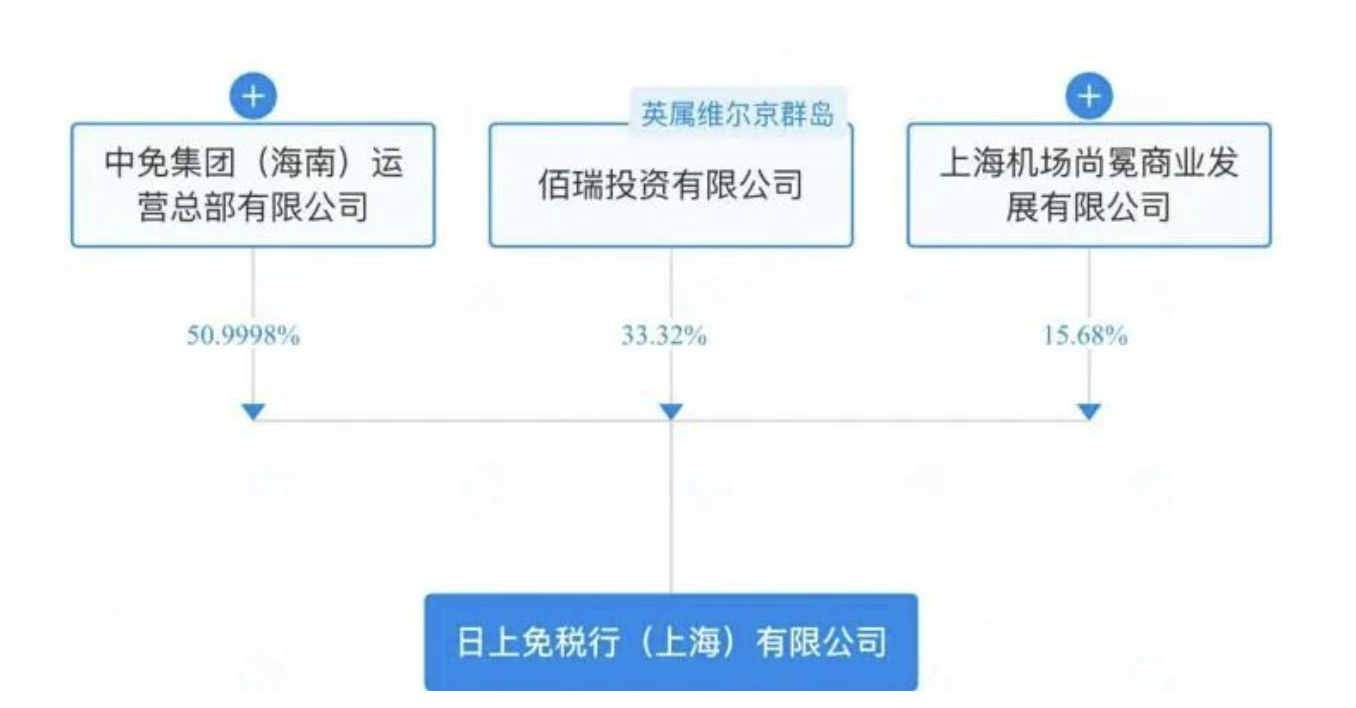
Core Viewpoint - The competitive landscape of duty-free projects at major Chinese airports is being reshaped with the new round of duty-free store operations bidding at Beijing Capital Airport and the recent changes at Shanghai airports [1][2]. Group 1: Shanghai Airport Duty-Free Store Changes - Shanghai Airport announced a contract with China Duty Free Group and Dufry for the operation of duty-free stores, marking a significant shift as foreign operators enter the Chinese airport duty-free market [2]. - The new contract allows for an 8-year operation period from January 1, 2026, to December 31, 2033, with a revenue model based on "fixed rent + commission" [3]. - The fixed rents for the duty-free stores at Shanghai Pudong Airport T1 and T2 are set at 3,141 RMB/m²/month and 3,090 RMB/m²/month, respectively, with commission rates ranging from 8% to 24% [3]. Group 2: Changes in Product Offerings and Revenue Model - The new duty-free contract includes an increase in operational area by 1,564 square meters and the addition of new product categories such as mobile phones, drones, and health products [3]. - The revenue model for Shanghai Airport has shifted from a higher commission structure to a fixed rent plus commission model, which is expected to benefit both the airport and the operators [4]. Group 3: Implications for Market Competition - The exit of Sunrise Duty Free from the Shanghai Airport duty-free operations is attributed to a lack of support from its major shareholder, China Duty Free Group, which is now directly competing for the contracts [5]. - The bidding for duty-free operations at Beijing Capital Airport has also commenced, with a submission deadline of December 19, 2023, indicating a potential shift in operational dynamics similar to those at Shanghai Airport [6]. - Following the announcement, Shanghai Airport's stock price increased by over 7%, while China Duty Free's stock fell by more than 4%, reflecting market reactions to the changes [6].


日上上海出局,保底高租金不再,上海机场免税格局变天
Di Yi Cai Jing· 2025-12-12 05:41
Core Viewpoint - The recent bidding results for the duty-free shop franchise rights at Shanghai Airport indicate a significant shift in the competitive landscape, with major players like Dufry and China Duty Free Group winning the contracts, while the incumbent operator, Sunrise Duty Free (Shanghai), lost out due to lack of support from its major shareholder [1][2][4]. Group 1: Bidding Results - The bidding for the duty-free shop franchise at Shanghai Airport for the next eight years was won by Dufry and China Duty Free Group, marking a notable change in operators [1][2]. - China Duty Free Group secured the operational rights for two segments at Shanghai Pudong International Airport and one segment at Shanghai Hongqiao International Airport, while Dufry won the rights for another segment at Pudong [2][4]. Group 2: Sunrise Duty Free's Exit - Sunrise Duty Free (Shanghai) was unable to secure a renewal of its franchise due to the lack of support from its major shareholder, China Duty Free Group, which holds approximately 51% of Sunrise [2][4]. - The board of Sunrise, influenced by China Duty Free Group, voted against participating in the bidding process [4]. Group 3: Changes in Revenue Model - The new bidding results indicate a shift in the revenue model for Shanghai Airport, moving from a high fixed rent and sales commission structure to a model based on a fixed monthly fee plus a lower commission rate [5][6]. - The fixed monthly fees for the winning bids are set at 3,141 RMB per square meter for Pudong T1 and T2, and 2,827 RMB per square meter for Hongqiao T1, with commission rates ranging from 8% to 24% [5][6]. Group 4: Market Competition Dynamics - The competitive landscape for duty-free sales is changing, with increased pressure from cross-border e-commerce platforms and new entrants in the market, leading to a decrease in profit margins for traditional duty-free operators [8][9]. - The profit margins for products sold in duty-free shops have significantly decreased, with the gross margin for perfumes and cosmetics dropping from over 50% to around 20% [8][9].