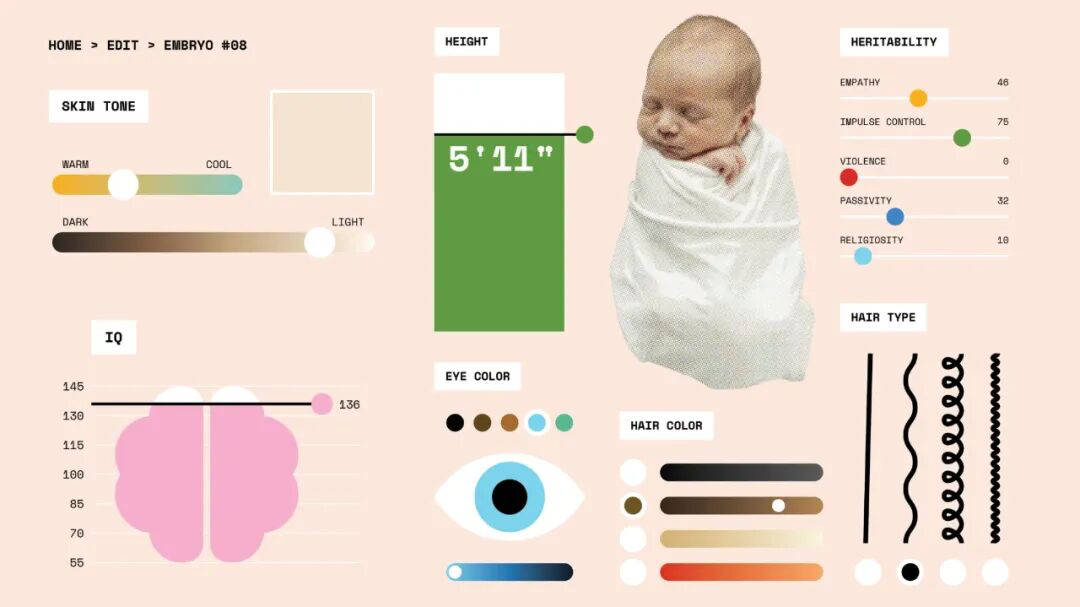
全基因组胚胎报告

Search documents
硅谷掀起定制“完美婴儿”竞赛:一触即发的伦理困境
3 6 Ke· 2025-10-20 12:48
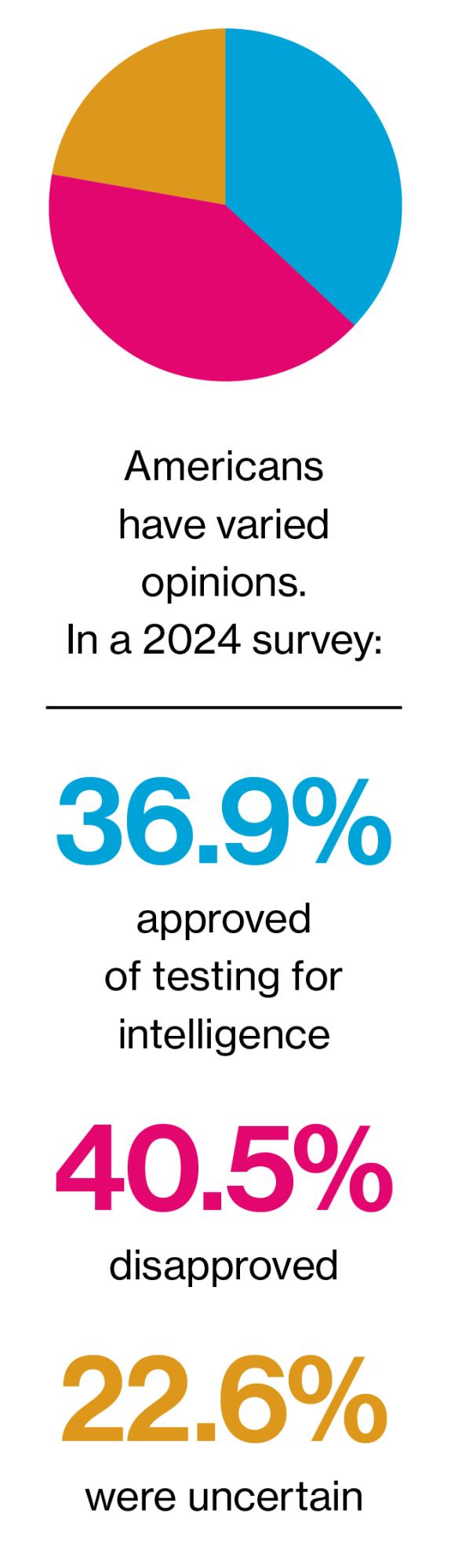
Core Insights - The rapid advancement of gene sequencing technology has led to the emergence of preimplantation genetic testing for polygenic risk (PGT-P), which claims to predict various traits of embryos, including intelligence and appearance [1][2] - This technology has attracted significant investment from Silicon Valley elites, raising ethical concerns about the potential revival of eugenics and the implications for social inequality [1][7] Group 1: Technology and Market Dynamics - PGT-P is an evolution of earlier genetic testing methods, allowing for the prediction of complex traits influenced by multiple genes, rather than just single-gene disorders [4][10] - The commercialization of PGT-P began in 2019 with companies like Genomic Prediction offering services to assess the risk of complex diseases for embryos, with prices starting around $3,500 [10][11] - New entrants like Orchid and Nucleus Genomics are pushing the boundaries of this market, with Nucleus offering extensive trait selection options, including intelligence and physical characteristics [21][22] Group 2: Scientific Limitations and Ethical Concerns - Critics highlight the limitations of polygenic risk scores, noting that they often lack clinical validation and are primarily based on data from European populations, making them less reliable for diverse ethnic groups [6][24] - The ethical implications of using genetic testing for non-disease traits, particularly intelligence, have sparked intense debate, with public opinion divided on the acceptability of such practices [12][18] - The resurgence of eugenics-related ideologies in the context of genetic selection raises concerns about reinforcing social inequalities and the moral responsibilities of parents and society [7][24] Group 3: Public Perception and Future Implications - A 2024 bioethics survey revealed significant public division regarding PGT-P, with strong support for disease screening but skepticism towards traits like intelligence and appearance [12][18] - The ongoing discourse around genetic determinism and its potential societal impacts suggests a need for careful consideration of the ethical frameworks guiding these technologies [25]

独家丨曝硅谷富豪用基因手段“定制婴儿”,科学界称正引发一场伦理混乱
Sou Hu Cai Jing· 2025-10-19 16:28
Core Insights - The article discusses the emerging field of preimplantation genetic testing (PGT), particularly focusing on the ethical implications and potential societal impacts of using genetic screening to select embryos based on traits such as intelligence and appearance [3][4][7][8]. Group 1: Technology and Market Development - Preimplantation genetic testing (PGT) has evolved from traditional methods to more advanced techniques like PGT-P, which assesses multiple genetic variations to predict complex traits [5][6]. - Companies like Genomic Prediction and Orchid are leading the market, offering services that allow parents to evaluate embryos for various genetic conditions and traits, with prices ranging from $2,500 to $8,999 [14][19]. - New entrants like Nucleus Genomics and Herasight are emerging, focusing on more controversial aspects of genetic testing, including intelligence [6][19][24]. Group 2: Ethical and Societal Concerns - Genetic testing for traits raises ethical questions, with critics arguing it revives eugenics ideologies and could lead to societal inequalities [7][8][29]. - The medical community expresses caution regarding the validity and implications of using polygenic risk scores for embryo selection, emphasizing the need for more clinical research [7][29]. - The debate over nature versus nurture is reignited, with some experts warning that attributing human traits solely to genetics could undermine efforts to address social inequalities [8][29]. Group 3: Public Perception and Regulatory Landscape - Public opinion on genetic testing varies, with a majority supporting health-related screenings but showing mixed feelings about testing for traits like intelligence [15][16]. - Regulatory frameworks differ globally, with some countries imposing strict regulations or outright bans on intelligence testing in embryos [16]. - The rise of genetic testing technologies has sparked discussions about the moral implications of "designer babies" and the potential for a new form of social stratification based on genetic traits [27][30].