全网联通程航班

Search documents
2026春运|春运启幕:民航西藏区局多措并举保障旅客出行
Zhong Guo Min Hang Wang· 2026-02-03 08:59
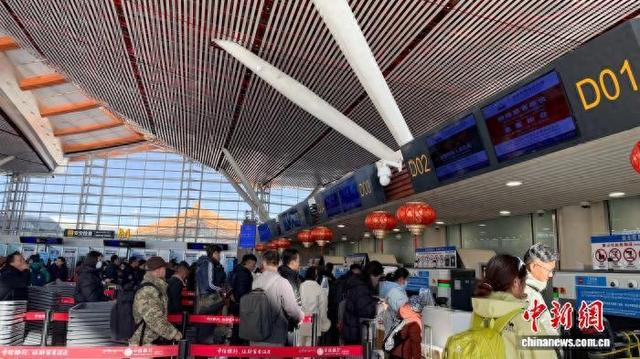
Core Viewpoint - The 2026 Spring Festival travel season in Tibet is expected to see a total of 7,315 flights and a passenger throughput of approximately 779,000, reflecting year-on-year growth in various metrics, with a focus on ensuring safety and efficiency in travel and logistics during this peak period [1][3][5]. Group 1: Flight and Passenger Forecast - The Spring Festival travel period will last from February 2 to March 13, 2026, with a total of 40 days [1]. - During this period, the expected flight operations in Tibet will increase by 3.7%, with a total of 7,315 flights [1]. - The anticipated passenger throughput is projected to reach 779,000, marking a 3.2% increase, with a maximum daily passenger volume of 23,500, which is a 4.4% increase year-on-year [1]. Group 2: Safety and Service Measures - The Tibet Civil Aviation Administration aims for a "safe, convenient, and warm" travel experience, implementing comprehensive safety and service strategies [3]. - Specific measures include risk prevention in key areas such as airlines, airports, and air traffic control, with a focus on monitoring safety risks and ensuring personnel are adequately prepared [5]. - Enhanced safety inspections and dynamic weather monitoring are being conducted to manage risks associated with adverse weather conditions [5]. Group 3: Capacity and Logistics Management - The administration is dynamically assessing passenger flow trends and adjusting capacity resources accordingly, including increasing flight frequency on popular routes [7]. - A logistics support mechanism is in place to ensure the smooth transport of emergency and essential goods, with a focus on maintaining efficient air logistics channels [7]. - The cost of transportation is reduced by 66% through optimized logistics models, enhancing overall efficiency [7]. Group 4: Passenger Services and Amenities - A series of warm service initiatives have been introduced to address passenger pain points, including improved communication regarding flight information and assistance for vulnerable groups [9]. - Special services such as priority security checks and health monitoring stations are being established to enhance the travel experience for passengers [9]. - The administration is also focusing on maintaining fair pricing and regulating airport service operations to protect passenger rights [9]. Group 5: Festive Atmosphere and Operational Readiness - Airports in the region are creating a festive atmosphere with decorations and public service announcements to enhance the travel experience during the holiday season [12]. - A dedicated leadership team has been established to oversee the Spring Festival operations, ensuring rapid response to any emergencies [12].

春运首日 西藏民航进出港旅客预计达1.5万人次
Xin Lang Cai Jing· 2026-02-02 10:49
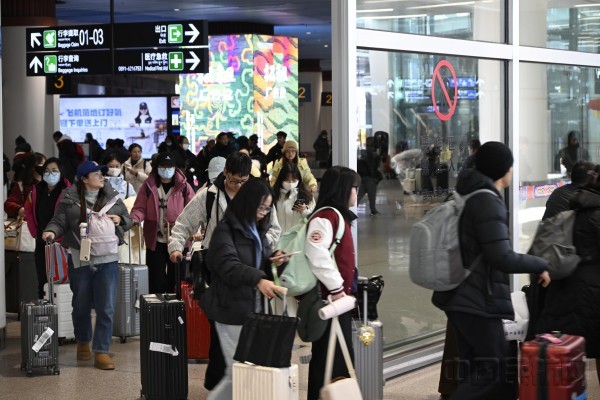
Core Viewpoint - The Tibet Civil Aviation Administration aims to ensure a safe, convenient, and warm Spring Festival travel period, with increased flight capacity and passenger throughput to accommodate the expected surge in travelers during this peak season [3][7]. Group 1: Spring Festival Travel Overview - On February 2, the first day of the Spring Festival travel period, over 15,000 passengers are expected to travel in and out of Tibet [1]. - The Spring Festival travel period will last from February 2 to March 13, 2026, spanning 40 days [3]. - During this period, a total of 7,315 flights are expected to be operated, with a projected passenger throughput of 779,000, and approximately 1.02 million seats available, representing year-on-year increases of 3.7%, 3.2%, and 7.37% respectively [3]. Group 2: Flight Capacity and Trends - The highest daily passenger throughput is anticipated to reach 23,500, reflecting a year-on-year growth of 4.4% [3]. - Lhasa Gonggar International Airport is expected to operate 5,279 flights and provide 760,000 seats during the Spring Festival [3]. - Peak outbound travel is expected from February 9 to 14, while peak inbound travel is anticipated from February 23 to 27 [3]. Group 3: Operational Strategies - The administration is dynamically assessing passenger flow trends and adjusting capacity resources accordingly, including monitoring seat occupancy rates on popular routes [7]. - Airlines are encouraged to increase capacity through additional flights and larger aircraft to meet the demand from family visits, labor migration, tourism, and student travel [7]. - The logistics sector is focused on ensuring smooth transportation of emergency and key materials, optimizing cost efficiency by improving cargo transport models, which have reduced costs by 66% compared to traditional methods [8].