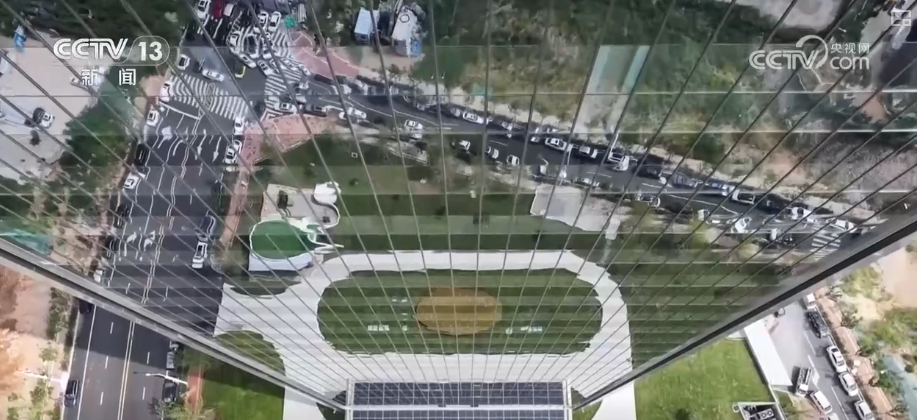
全自动极速立体泊车系统

Search documents
全球首个“超阶零碳建筑” 在青岛正式启用
Yang Shi Wang· 2025-08-27 01:32
Core Insights - The world's first "super zero-carbon building" has officially opened in Qingdao, marking a significant advancement in zero-carbon architecture in China [1][2] Group 1: Building Features - The building stands 117 meters tall with 23 floors and has a daily electricity consumption of approximately 6000 kWh [2] - It utilizes building-integrated photovoltaic glass curtain walls on three sides, providing about 25% of its energy needs and reducing carbon emissions by nearly 500 tons annually [2] - The building incorporates 14 retired electric vehicle batteries for energy storage, allowing for efficient energy management during peak usage and adverse weather conditions [2][3] Group 2: Energy Management and Efficiency - A digital system integrates various energy management components, achieving 100% self-sufficiency in green electricity [3] - The installation of nearly 24,000 micro-sensors automates interactions with lighting, air conditioning, and elevators, enhancing energy efficiency and reducing operational costs by approximately 30% [3] - The building's energy management system allows it to act as a flexible node in the power grid, helping to alleviate peak load pressures and ensuring reliable power supply [5] Group 3: Innovative Parking and Power Supply - The building features a fully automated parking system that saves construction costs and enhances efficiency, with vehicles able to provide reverse power supply to the building [4] - Each day, only 300 vehicles supplying 10 kWh can cover nearly half of the building's energy needs, with potential for complete reliance on vehicle power in extreme situations [5] - The system includes safety measures for battery management, ensuring operational safety and reliability [5]
全球首座超阶零碳大楼投用
Ke Ji Ri Bao· 2025-08-25 02:18
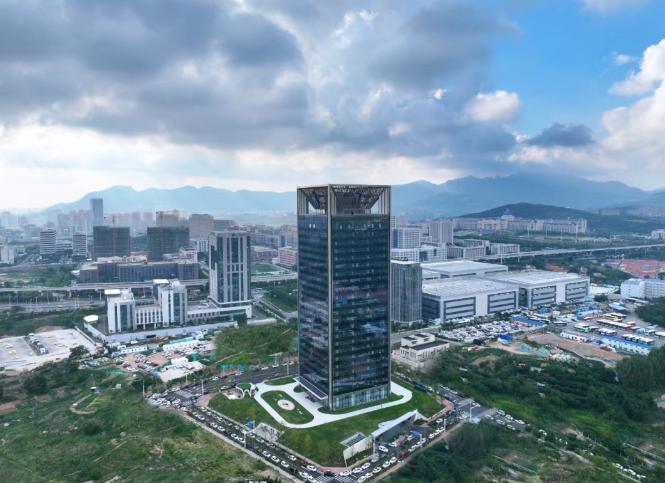
Core Insights - The headquarters building of Telai Electric New Energy Co., Ltd. has recently been put into use, becoming the world's first ultra-zero carbon building, relying on photovoltaic power generation, tiered energy storage, and reverse discharge technology from electric vehicles to achieve 100% green energy substitution [1][3] Group 1: Building Specifications - The Telai Electric headquarters is located in Laoshan District, Qingdao, Shandong Province, with a total area of approximately 43,000 square meters and a height of 117 meters, consisting of 23 office floors [3] - The building has a daily electricity consumption of approximately 6,000 kWh [3] Group 2: Energy Generation and Storage - The building features integrated photovoltaic glass curtain walls on its east, west, and south facades, capable of converting solar energy into electricity, generating a daily output of 1,500 kWh, which can achieve a maximum of 25% green energy substitution for the entire building [3] - It utilizes 14 retired automotive power batteries for tiered utilization, capable of storing 1,500 kWh of green electricity to be used during peak consumption periods or rainy days [3] Group 3: Innovative Parking System - The underground parking garage employs a self-developed fully automated rapid parking system, enhancing parking efficiency and intelligence [3] - This system allows electric vehicles to provide reverse power supply to the building, where 300 electric cars can each supply 10 kWh daily, covering nearly half of the building's energy consumption, with each car owner earning a profit of 1.2 yuan per kWh [3]

零碳建筑、零碳园区遍地开花 多角度透视零碳带来新变化↓
Yang Shi Wang· 2025-08-24 06:53
Core Viewpoint - The world's first ultra-zero carbon building has been officially launched in Qingdao, Shandong, marking a significant advancement in zero-carbon architecture in China [1] Group 1: Building Features - The ultra-zero carbon building stands 117 meters tall with 23 floors and has a daily electricity consumption of approximately 6000 kWh [4] - Unlike traditional photovoltaic installations, this building utilizes building-integrated photovoltaic glass curtain walls on three sides, providing about 25% of its green energy and saving nearly 500 tons of carbon emissions annually [4] - The building incorporates 14 retired automotive batteries for energy storage, allowing it to store excess energy generated by the photovoltaic glass and utilize low-cost clean energy during peak usage [4] Group 2: Energy Management and Technology - A digital system supports the building's zero-carbon operations by integrating five major power stations into one, achieving 100% self-sufficiency in green electricity [5] - The building features nearly 24,000 micro-sensors that automate interactions with lighting, air conditioning, and elevators, enhancing energy efficiency [8] - The building acts as a flexible adjustment node for the power grid, helping to alleviate peak electricity pressure and ensuring reliable power supply [20] Group 3: Innovative Parking and Power Supply - The building includes a fully automated rapid parking system that saved 50 million yuan in construction costs and enhances operational efficiency [11] - This parking system allows electric vehicles to provide reverse power supply to the building, with a small device enabling automatic connection for charging and discharging [16] - Only 300 vehicles supplying 10 kWh each can meet nearly half of the building's energy needs, with potential for complete reliance on vehicle power in extreme situations [19] Group 4: Broader Implications and Developments - The ultra-zero carbon building represents a new model for zero-carbon architecture, addressing challenges in battery recycling and environmental risks associated with battery disposal [8] - The development of zero-carbon buildings and applications is becoming increasingly prevalent, contributing to a cleaner energy network and improved environmental conditions [21][29] - China's coal consumption share is projected to decrease from 56.8% in 2020 to 53.2% in 2024, with clean energy generation accounting for 39.7% of the total, indicating a shift towards a more efficient and clean energy network [29]