公园文创产品

Search documents
国庆中秋假期北京重点监测商企入账95.1亿元
Zhong Guo Xin Wen Wang· 2025-10-08 10:09
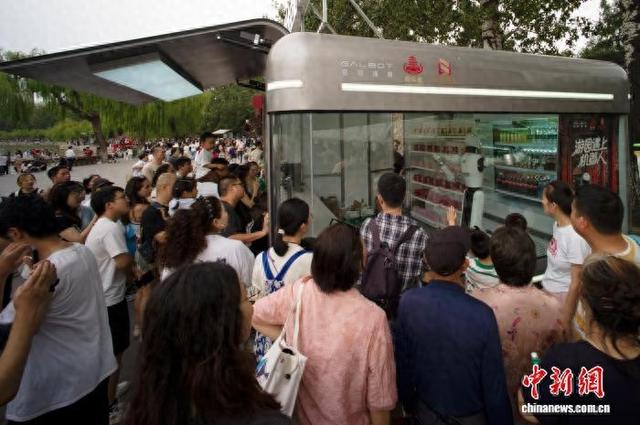
Core Insights - Beijing's retail and service sectors experienced significant growth during the National Day and Mid-Autumn Festival holiday, with total sales reaching 9.51 billion yuan and a 13.9% increase in foot traffic across 60 key commercial areas [1] Retail and Supply Chain - Major wholesale markets in Beijing enhanced supply organization and logistics to ensure sufficient holiday supply, stable prices, and quality safety [3] - Retailers like Wumart and Hema Fresh increased inventory by 30% and 20% respectively, focusing on essential food categories to meet consumer demand [3] - The introduction of new retail formats, such as robot-operated stores, attracted visitors and showcased innovative service models [3][5] Consumer Engagement and Events - The "ticket root" model activated holiday consumption, with events like the WTT China Grand Slam and China Open driving foot traffic and sales through promotional activities linked to event tickets [3][5] - Various cultural and sporting events, including the "Look·See Yin Shang" ticket consumption vouchers, extended consumer engagement and stimulated local economies [5][10] Dining and Food Services - Restaurant consumption saw a 4.5% year-on-year increase, with themed activities enhancing the dining experience and attracting tourists to local cuisines [7] - Traditional food brands reported significant sales growth, with some like Ziguangyuan achieving a 98.8% increase in sales during the holiday [8] Cultural and Tourism Consumption - Beijing hosted 364 commercial performances and over 2,100 shows during the holiday, enriching the cultural landscape and boosting audience engagement [10] - The tourism sector benefited from themed travel routes, with inbound tourist spending increasing by over 60% compared to the previous year [10]

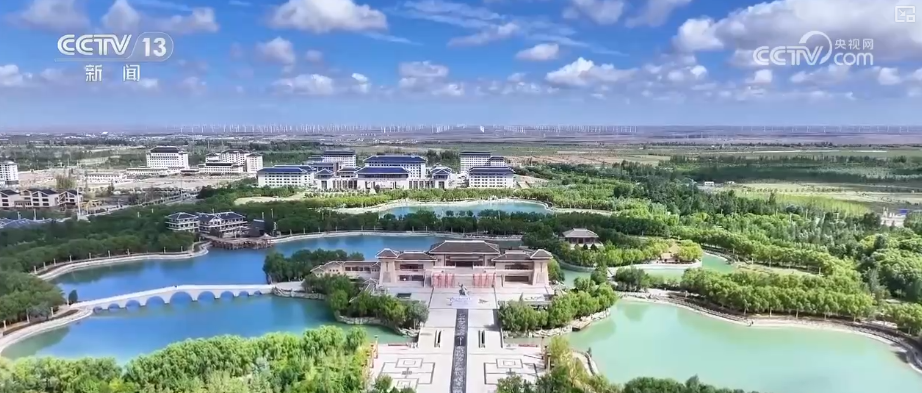
百姓可观、可感、可亲近绿色空间不断拓展 “公园+”创新实践涌动发展新活力
Yang Shi Wang· 2025-06-29 08:49
Group 1 - As of the end of 2024, over 48,000 pocket parks have been built nationwide, with greenways exceeding 128,000 kilometers [3][5] - 360 cities at or above the prefecture level have implemented open and shared park green spaces, with over 18,000 hectares of lawns available for rotation and more than 180,000 fitness facilities added [3][5] - The Ministry of Housing and Urban-Rural Development plans to further promote the expansion of open and shared park green spaces, enhancing multi-functional services in parks [5][8] Group 2 - The "park + sports" initiative has been continuously advanced, creating more sports parks close to residents to meet fitness needs [8][10] - Various cities are transforming underutilized spaces into sports parks, providing facilities for diverse activities [10][13] - Some cities are developing child-friendly activity areas, with specific designs for pocket parks to enrich children's play spaces [15] Group 3 - The emergence of "park-style" shopping malls combines natural landscapes, commercial facilities, and cultural experiences, leading a new urban lifestyle trend [16][21] - In cities like Shenzhen, "park-style" malls are designed from an ecological perspective, creating small natural cycles for a refreshing leisure space [23][25] - Policies in Shenzhen support the development of "park-style" malls, encouraging the integration of ecological tourism and other forms to enhance economic and social benefits [25] Group 4 - Increasing numbers of parks have led to innovative "park +" practices, enriching visitor experiences through engaging projects [26][28] - Cultural and creative products related to parks are being developed, enhancing visitor engagement and providing new economic growth points [34][32] - The introduction of interactive elements, such as AI photo booths in parks, has attracted significant visitor interest [26][28]