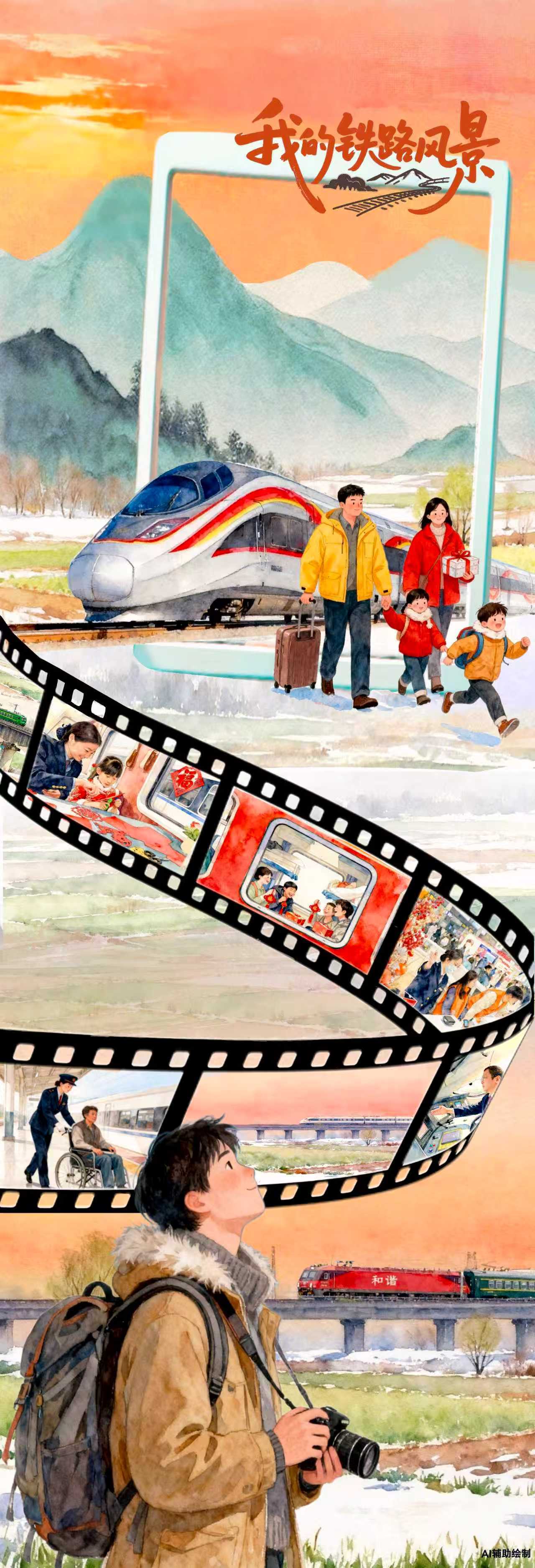
公益性慢火车

Search documents
“袖珍火车站”的民生温度
Xin Hua Ri Bao· 2026-02-26 21:03
Core Viewpoint - The article highlights the significance of small train stations and slow trains in China, emphasizing their role in providing essential services to rural communities despite their seemingly inefficient operations [1][2]. Group 1: Characteristics of Small Train Stations - Small train stations, such as those in Shaanxi, Inner Mongolia, and Hebei, are characterized by their limited facilities and operations, often requiring phone calls for entry and lacking waiting rooms [1]. - These stations primarily serve as stops for public slow trains, which connect remote villages to larger towns, offering low ticket prices, sometimes as low as 1 yuan, and maintaining these prices for decades [1]. Group 2: Economic and Social Implications - The operation of slow trains incurs costs that exceed ticket revenues, relying on continuous government subsidies to sustain their services, which are viewed as a social rather than an economic investment [2]. - The National Railway Group compensates for losses in remote areas by using profits from developed regions, ensuring that the benefits of development reach the most underserved communities [2]. Group 3: Broader Impact on Society - The slow trains and small stations symbolize a commitment to equitable public service, aiming to support the vulnerable rather than just enhancing urban prosperity [2]. - During peak travel seasons like the Spring Festival, these slow trains play a crucial role in ensuring stable and far-reaching development, reinforcing the connection between rural areas and the broader economy [2].
漫评:公益性慢火车的坚守,中国速度里的民生温情
Zhong Guo Jing Ji Wang· 2026-02-12 13:40
Core Viewpoint - The article emphasizes the significance of slow trains in China as a vital component of public transportation, highlighting their role in maintaining accessibility and supporting rural communities during the Spring Festival travel season [2][3]. Group 1: Public Service and Accessibility - Slow trains operate at low ticket prices, with fares starting as low as 1 yuan, ensuring that rural populations have access to transportation for education and work [2]. - The article notes that certain slow train routes, such as the 8818 train in the Taihang Mountains, have maintained unchanged fares for 34 years, reflecting a commitment to serving local communities [2]. - The slow trains connect remote areas to urban markets, facilitating the movement of local products and supporting the livelihoods of rural residents [3]. Group 2: Economic and Social Impact - Slow trains are described as engines of rural revitalization, transforming local products into marketable goods and enhancing economic opportunities for villagers [3]. - The railway department prioritizes social and developmental benefits over economic profits, focusing on improving the quality of life for rural residents [3]. - The article highlights the emotional connection and community spirit fostered by slow trains, which serve as a bridge between rural and urban areas, preserving cultural ties and local traditions [3]. Group 3: Complementary Role in Transportation - The coexistence of high-speed trains and slow trains is portrayed as a balanced approach to transportation, where high-speed trains offer efficiency while slow trains ensure inclusivity and accessibility [3]. - The article suggests that the slow trains embody a commitment to public service, providing a sense of warmth and connection in an increasingly fast-paced world [3]. - The ongoing operation of slow trains is framed as a commitment to safeguarding the needs of all citizens, ensuring that no one is left behind in the journey towards modernization [2][3].

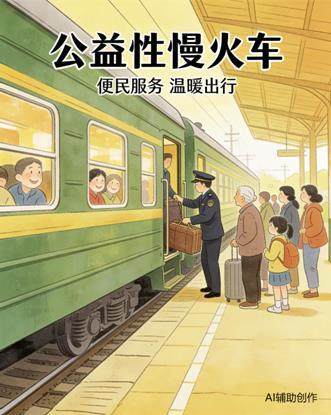
漫评:以铁路风景绘就“流动中国”的奋进华章
Zhong Guo Jing Ji Wang· 2026-02-12 12:19
Core Viewpoint - The article highlights the launch of the "My Railway Scenery" theme campaign during the 2026 Spring Festival travel season, showcasing the emotional connections and experiences of travelers, while emphasizing the role of railways in modern China and the spirit of community and support among passengers and railway staff [4][5]. Group 1: Campaign Overview - The "My Railway Scenery" campaign aims to capture the essence of travel through the lens of passengers, creating a collective narrative that reflects the happiness and unity of families during the Spring Festival [4]. - The campaign features various forms of expression, including photographs and writings, that illustrate the beauty of railway journeys and the significance of railways in connecting people [4]. Group 2: Symbolism of Railways - The article describes the "Fuxing" high-speed trains operating at 350 km/h as a symbol of China's railway speed and confidence [4]. - It mentions the "slow trains" that serve rural areas, representing hope and support for rural revitalization [4]. - The extensive "eight vertical and eight horizontal" high-speed rail network is highlighted as a testament to China's infrastructure development [4]. Group 3: Human Element - The article emphasizes the dedication of railway workers, such as track maintenance personnel and service staff, who contribute to the safety and comfort of travelers, portraying them as the unsung heroes of the railway system [4]. - It also captures the warmth of human interactions among travelers, including acts of kindness and support, which foster a sense of community and harmony [5]. Group 4: Emotional Resonance - The campaign evokes emotional responses through shared experiences, such as family reunions and the support among strangers, which resonate deeply with the public [5]. - The article encourages the continuation of these heartfelt moments and the collective spirit of progress, urging society to draw strength from these shared railway experiences [5].