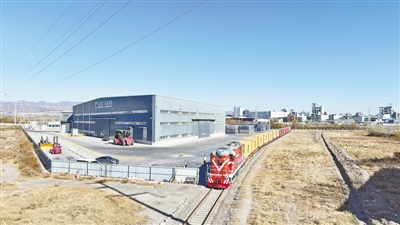
公铁海联运专列

Search documents
国铁集团郑州局开行首列豫北“公铁海”联运专列
Sou Hu Cai Jing· 2025-12-04 04:42
Core Viewpoint - The launch of the first "Rail-Road-Sea" intermodal train from Yuanshan Station to Qingdao Port marks a significant development in the logistics network of northern Henan, enhancing regional economic growth and efficiency [1][3]. Group 1: Logistics and Transportation Efficiency - The "Rail-Road-Sea" intermodal train service has improved transportation efficiency by over 30%, while reducing transportation costs by 18% compared to traditional road transport [3]. - The new service eliminates the need for intermediate handling, thus minimizing cargo damage during transit [3]. Group 2: Strategic Development and Collaboration - The railway department has strengthened communication with local governments and established a task force to optimize transportation routes for key foreign trade products in the Jiaozuo area [5]. - Collaboration with Shandong Port and other entities is being enhanced to facilitate the intermodal transport of various goods, including coal, chemicals, and minerals [5]. Group 3: Future Plans and Goals - The railway group plans to leverage the launch of the intermodal train service to further develop the "Rail-Road-Sea" logistics corridor, aiming to integrate more local resources into the intermodal network [5]. - The initiative is expected to position the northwestern Henan and southeastern Shanxi regions as a significant logistics hub, contributing to the new dual circulation development pattern [5].

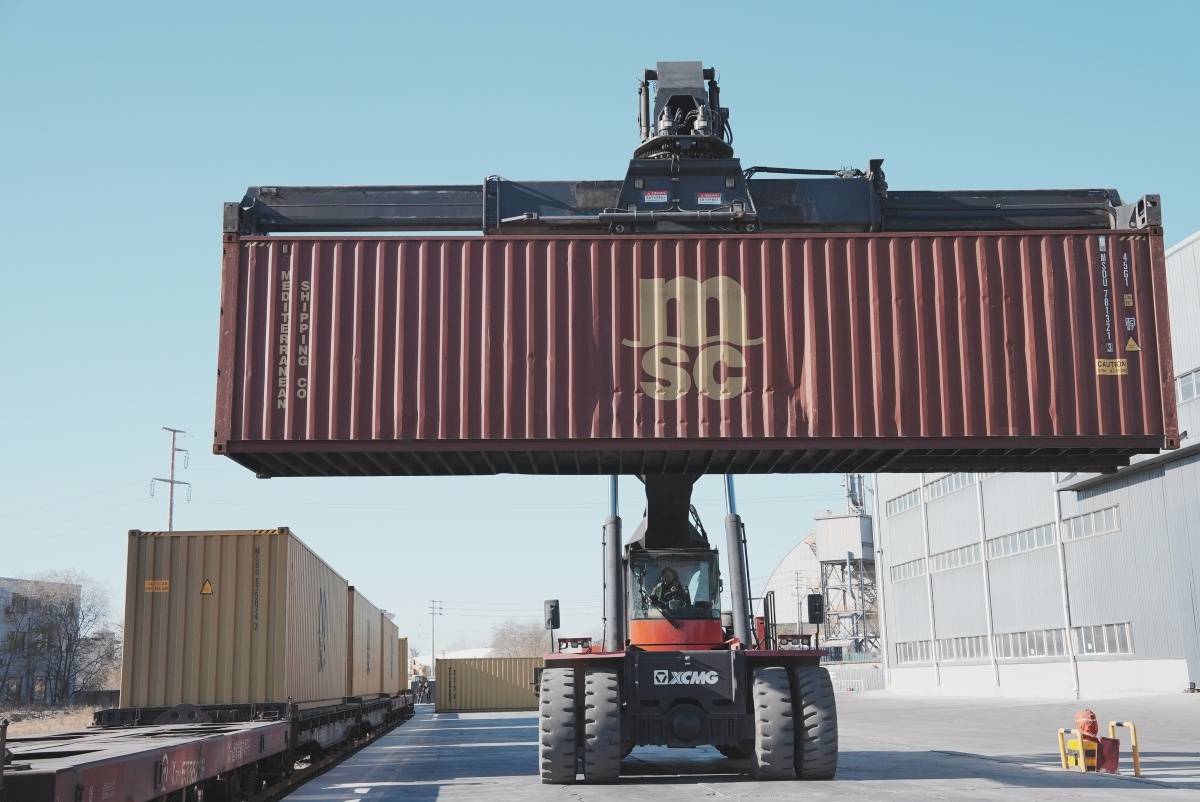
郑州铁路开行首列豫北“公铁海”联运专列
Zheng Zhou Ri Bao· 2025-12-04 00:49
Core Insights - The launch of the first "public-rail-sea" intermodal train service from Zhengzhou to Qingdao marks a significant development in enhancing logistics efficiency and reducing transportation costs in the Henan province [1][2] Group 1: Operational Efficiency - The new intermodal service has improved transportation efficiency by over 30% and reduced costs by 18% compared to traditional road transport [1] - The service replaces the traditional "road short-haul + port transshipment" model, facilitating seamless integration between rail transport and port logistics [2] Group 2: Regional Economic Impact - The intermodal train service is expected to inject new vitality into the regional economy by establishing a direct connection from inland production to coastal ports and overseas markets [1] - The railway department is collaborating with local governments and key stakeholders to optimize transportation routes for foreign trade products and raw materials [1][2] Group 3: Future Developments - The railway department plans to leverage the launch of this intermodal service to further develop the "public-rail-sea" logistics corridor, aiming to integrate more coal and chemical products into the intermodal network [2]