养乐多乳酸菌饮品

Search documents
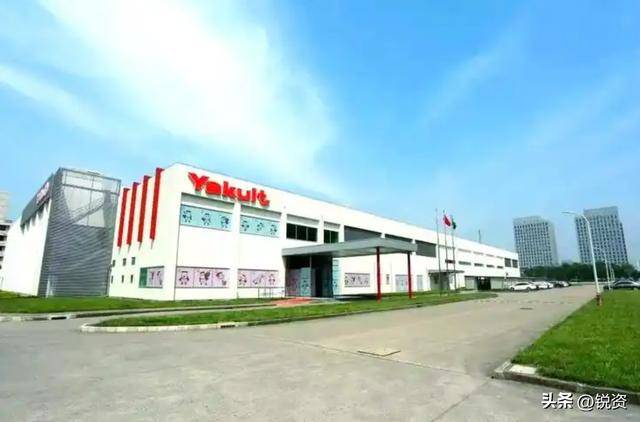
养乐多迎来危机!大陆首家工厂倒闭,消费者不认可销量暴跌
Sou Hu Cai Jing· 2025-11-02 23:51
Core Insights - The article discusses the decline of Yakult in the Chinese market, highlighting the closure of its Guangzhou factory as the second core factory shut down within a year, following the closure of the Shanghai factory [1][10] - Yakult's daily sales in China have plummeted from a peak of 7.6 million bottles to 2.5 million bottles, a staggering 70% drop [1][10] Historical Context - Yakult's origins trace back to Japan in the early 20th century, where it was founded on the pursuit of gut health, leading to the creation of a probiotic drink in 1935 [3] - The company successfully expanded in Japan through a home delivery model initiated in 1963, which significantly boosted sales [3][4] Market Entry and Growth - Yakult entered the Chinese market in the 1990s, leveraging a similar delivery model with "Yakult Ladies" to gain popularity, especially in Guangdong [4] - At its peak, Yakult's production capacity in southern China reached 6 million bottles per day, with Guangdong and Hainan accounting for nearly half of its national sales [4] Decline Factors - The decline in sales is attributed to a loss of consumer trust in Yakult's health claims, particularly regarding its sugar content and the effectiveness of its probiotics [7][8] - The company faced increased competition from local brands offering lower sugar options and better pricing, leading to a significant drop in market share from 35% to 23% [8][11] Strategic Response - In response to declining sales, Yakult announced the closure of its factories to consolidate production and improve efficiency, aiming to increase capacity utilization from 42% to 65% [12] - Industry analysts suggest that without addressing core issues such as product relevance and marketing disconnect, these measures may not be sufficient to reverse the decline [12] Future Outlook - Despite the challenges, the probiotic market in China is projected to grow, with opportunities for brands that can balance taste and health [12][15] - Yakult retains several production bases and distribution channels, but must innovate and adapt to changing consumer preferences to remain competitive [12][15]