伊利畅意100%

Search documents
养乐多迎来危机!大陆首家工厂倒闭,消费者不认可销量暴跌
Sou Hu Cai Jing· 2025-11-02 23:51
Core Insights - The article discusses the decline of Yakult in the Chinese market, highlighting the closure of its Guangzhou factory as the second core factory shut down within a year, following the closure of the Shanghai factory [1][10] - Yakult's daily sales in China have plummeted from a peak of 7.6 million bottles to 2.5 million bottles, a staggering 70% drop [1][10] Historical Context - Yakult's origins trace back to Japan in the early 20th century, where it was founded on the pursuit of gut health, leading to the creation of a probiotic drink in 1935 [3] - The company successfully expanded in Japan through a home delivery model initiated in 1963, which significantly boosted sales [3][4] Market Entry and Growth - Yakult entered the Chinese market in the 1990s, leveraging a similar delivery model with "Yakult Ladies" to gain popularity, especially in Guangdong [4] - At its peak, Yakult's production capacity in southern China reached 6 million bottles per day, with Guangdong and Hainan accounting for nearly half of its national sales [4] Decline Factors - The decline in sales is attributed to a loss of consumer trust in Yakult's health claims, particularly regarding its sugar content and the effectiveness of its probiotics [7][8] - The company faced increased competition from local brands offering lower sugar options and better pricing, leading to a significant drop in market share from 35% to 23% [8][11] Strategic Response - In response to declining sales, Yakult announced the closure of its factories to consolidate production and improve efficiency, aiming to increase capacity utilization from 42% to 65% [12] - Industry analysts suggest that without addressing core issues such as product relevance and marketing disconnect, these measures may not be sufficient to reverse the decline [12] Future Outlook - Despite the challenges, the probiotic market in China is projected to grow, with opportunities for brands that can balance taste and health [12][15] - Yakult retains several production bases and distribution channels, but must innovate and adapt to changing consumer preferences to remain competitive [12][15]

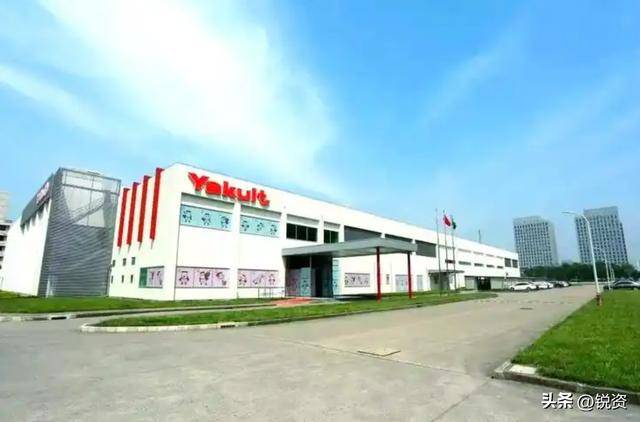
养乐多一年连关两厂!
Zhong Guo Jing Ying Bao· 2025-11-02 05:57
Core Viewpoint - Yakult is experiencing significant operational challenges in the Chinese market, leading to the closure of its first factory in Guangzhou and a strategic shift to consolidate production capabilities in response to declining sales and increased competition from local brands [3][5][6]. Production Capacity Adjustment - Yakult announced the closure of its Guangzhou factory, which will officially shut down on November 30, following the closure of its Shanghai factory less than a year ago [3][4]. - The decision to close the factory is driven by two main factors: a substantial decline in sales resulting in excess capacity and intensified competition from domestic giants like Mengniu and Yili [3][5]. - The company aims to optimize its production system by consolidating three factories into two, enhancing production efficiency and resource allocation [4]. Sales Performance - Yakult's sales in China have significantly decreased, with daily sales figures dropping from a peak of 760.9 million bottles to 447.2 million bottles in the first half of 2025, reflecting a mismatch between production capacity and sales [5][6]. - The sales performance of Yakult's Shanghai and Guangzhou operations was notably below other regions, with sales at 81.1% and 88.7% of the previous year's levels, respectively [6]. Market Competition - The overall market for probiotic beverages is facing a downturn, with Yakult not only contending with local brands but also experiencing a decline in consumer demand for traditional high-sugar probiotic drinks [7][9]. - The shift in consumer preferences towards low-sugar and low-fat options has made it challenging for Yakult's classic products, which are high in sugar, to attract consumers [7][9]. Innovation and Product Development - Yakult has struggled to innovate beyond its core probiotic drink category, with recent product launches primarily focused on flavor variations rather than new product lines [8][9]. - In contrast, local competitors are rapidly innovating, introducing products with lower sugar content and targeting specific consumer segments [9][10]. Strategic Recommendations - To address market challenges, Yakult is advised to enhance its research and development efforts, expand into new retail channels, and focus on product differentiation to avoid price wars [10]. - The company should consider leveraging its cold chain logistics for premium product offerings and target specific consumer demographics in urban areas [10].
一年连关两厂 养乐多在华业务难提振
Zhong Guo Jing Ying Bao· 2025-10-31 21:17
Core Insights - Yakult is experiencing significant operational challenges in the Chinese market, leading to the closure of its first factory in Guangzhou on November 30, following the closure of its Shanghai factory less than a year ago, indicating a strategic contraction in its business operations in China [3][5][6] Production Capacity Adjustment - The closure of the Guangzhou factory is part of a broader strategy to enhance competitiveness and sustainability in the Chinese market, consolidating three factories into two to optimize production efficiency and resource allocation [4][5] - The company aims to alleviate financial losses due to declining sales and increased competition from local brands like Mengniu and Yili, which are squeezing Yakult's market share [3][6] Sales Performance - Yakult's sales in China have significantly declined, with daily sales figures dropping from a peak of 760.9 million bottles to 447.2 million bottles in the first half of 2025, reflecting a substantial decrease in market demand [6][8] - The sales performance of Yakult's Shanghai and Guangzhou operations was reported at only 81.1% and 88.7% of the previous year's figures, respectively, indicating a stark contrast to other regions where sales exceeded 95% [6] Market Competition and Consumer Trends - The overall market for probiotic beverages is facing challenges, with declining average prices and market shares, affecting not only Yakult but also competitors like Jianye Health [9] - Consumer preferences are shifting towards low-sugar and low-fat options, which traditional probiotic drinks like Yakult do not meet, leading to a disconnect with current market demands [8][10] Innovation and Product Development - Yakult has struggled to innovate beyond its core probiotic drink offerings, with recent product launches being mere flavor variations rather than new product categories [9][10] - Competitors are rapidly innovating, with brands like Mengniu and New Hope expanding their product lines to include low-sugar options and ready-to-eat probiotic products, putting further pressure on Yakult [9][10] Operational Efficiency - The company is facing challenges with its dispersed production layout, which has led to inefficiencies in supply chain coordination and increased fixed costs [7] - By consolidating production to newer facilities, Yakult aims to improve capacity utilization from 42% to 65%, enhancing cash flow and operational efficiency [7] Employee Impact - The closure of the Guangzhou factory raises concerns about employee layoffs, following a previous round of layoffs at the Shanghai facility, where approximately 800 employees were let go [7][10] Strategic Recommendations - To remain competitive, Yakult should focus on product innovation, channel expansion, and marketing upgrades, including increasing R&D investment to meet new consumer demands and exploring new retail channels [10][11] - Avoiding price wars and instead emphasizing the differentiation of its probiotic strains could help Yakult reposition itself in the market [11]