
农业保险服务

Search documents
农民朋友钱包或要“叫苦”?农村将迎4个收费项目,大家做好准备
Sou Hu Cai Jing· 2025-08-30 23:23
Core Viewpoint - The emergence of new fees in rural areas is a response to the increasing demand for improved public services and infrastructure, raising concerns among farmers about their financial burden [1][2]. Summary by Category New Fee Trends - A report from the Rural Development Research Center indicates that various fees have been standardized and implemented in rural areas, covering waste management, water usage, public facility maintenance, and agricultural insurance [2]. Waste Management Fees - Approximately 65% of villages have established waste collection systems, with 42% implementing waste management fees, averaging 15 yuan per household per month. This fee has led to a 35% increase in waste collection coverage and improved sanitation [4][5]. Water Service Fees - The average water service fee in rural areas is about 3-5 yuan per month per household, in addition to water usage fees. This has resulted in a 25% reduction in pipeline leakage and an 18% increase in water quality compliance [6][7]. Public Facility Maintenance Fees - About 38% of villages charge public facility maintenance fees, averaging 180 yuan per household per year. This has improved the condition of public facilities by 45% and extended their lifespan by over 30% [11][12]. Agricultural Insurance Fees - Approximately 52% of farmers participate in agricultural insurance, with costs varying by crop type. The average annual insurance expenditure for a farmer with 10 acres is between 300-600 yuan, providing significant risk mitigation [13][14]. Long-term Perspective - The total of these fees currently accounts for about 1.5% of rural residents' annual income, which is lower than the 3.5% for urban residents. As rural incomes grow at an average rate of 7% per year, the impact of these fees on farmers is expected to diminish over time [17][18].

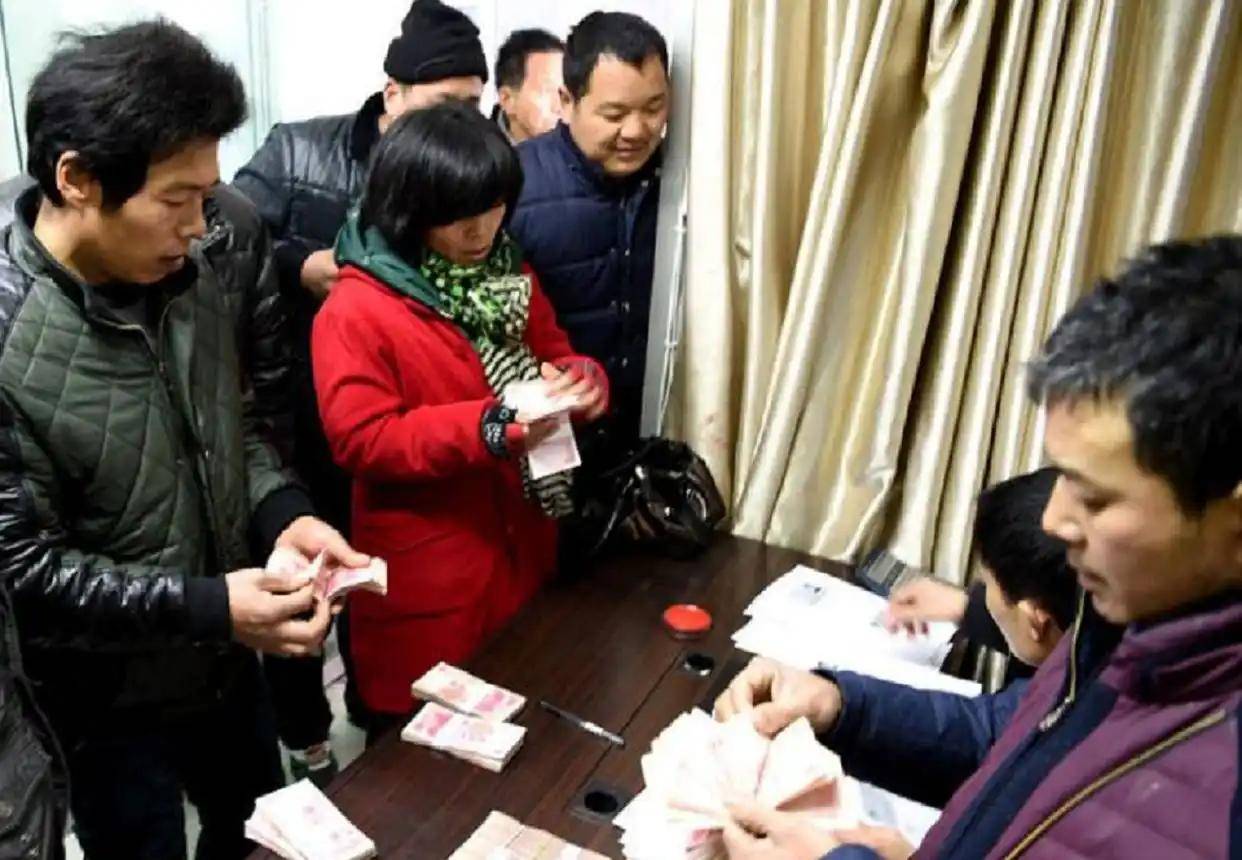
国元保险“护航”河南秋粮生产
Zhong Guo Jin Rong Xin Xi Wang· 2025-08-11 10:20
Core Viewpoint - The ongoing high temperatures and low rainfall in July have posed challenges for autumn grain production in Henan, prompting Guoyuan Insurance's Henan branch to implement proactive measures to support farmers and mitigate losses [1][2] Group 1: Measures Taken by Guoyuan Insurance - Guoyuan Insurance's Henan branch established a drought prevention and seedling protection task force to collaborate with agricultural departments and local officials, providing on-site support to affected farmers [1] - The company allocated over 200,000 yuan to organize local institutions to distribute high-capacity water pumps to farmers, ensuring irrigation and minimizing disaster losses [1] - Drones were deployed for aerial inspections of farmland, utilizing high-definition imaging and thermal mapping to identify severely drought-affected areas and create a "drought severity map" for targeted irrigation guidance [1] Group 2: Technical Support and Risk Management - The local institutions collaborated with agricultural experts to conduct field assessments in major corn-producing areas, analyzing soil moisture and crop conditions while offering tailored management advice to large-scale growers [1] - To prevent secondary disasters from drought and heavy rainfall, the company organized re-inspections of affected farmland to evaluate crop recovery and provided pest control technology guidelines to farmers [2] - Additional equipment, such as plant protection drones, was allocated to enhance pest management capabilities in response to potential risks from heavy rainfall [2]