
城乡一体化

Search documents
涟漪漾成浪潮:浙江乡野的进化论与未来式
Xin Lang Cai Jing· 2025-12-23 10:48
Core Viewpoint - The article discusses the evolution of rural areas in Zhejiang Province, highlighting the "Thousand Villages Demonstration, Ten Thousand Villages Renovation" project and its impact on rural revitalization, emphasizing the integration of urban and rural development and the transformation of rural lifestyles [1][4]. Group 1: Rural Development Initiatives - The "Thousand Villages Project" has significantly improved rural living conditions, transforming villages like Sanxing into attractive development hubs through environmental renovations and modern amenities [1][3]. - The integration of public services in rural areas has enhanced the quality of life, reducing the urban-rural gap and making village living a preferred choice [4][3]. - The establishment of comprehensive service stations in villages has facilitated the flow of goods and services, addressing logistical challenges in rural areas [3][4]. Group 2: Economic Growth and Collaboration - The collaborative development of rural clusters has led to increased income for villagers, with average collective operating income rising by 34.8% and individual income by 28.3% in certain areas [5][6]. - The creation of tourism routes and the promotion of local specialties have attracted visitors and boosted local economies, demonstrating the potential of rural tourism [5][6]. - The agricultural industry in Zhejiang is projected to generate significant economic output, with over 126 agricultural industrial chains expected to reach a total output value of 321.6 billion yuan by the end of 2024, creating jobs for 4.7 million people [8][6]. Group 3: Innovation and New Opportunities - Young entrepreneurs are increasingly engaging in agricultural innovation, transforming traditional farming into a modern and profitable venture, as seen in the case of the "post-95" generation in rural areas [9][11]. - The integration of digital and smart agriculture is attracting new talent to rural areas, fostering a vibrant ecosystem for innovation and entrepreneurship [11][12]. - The shift in perception of rural areas from a fallback option to a dynamic space for growth reflects a fundamental change in the underlying logic of rural development in Zhejiang [12].

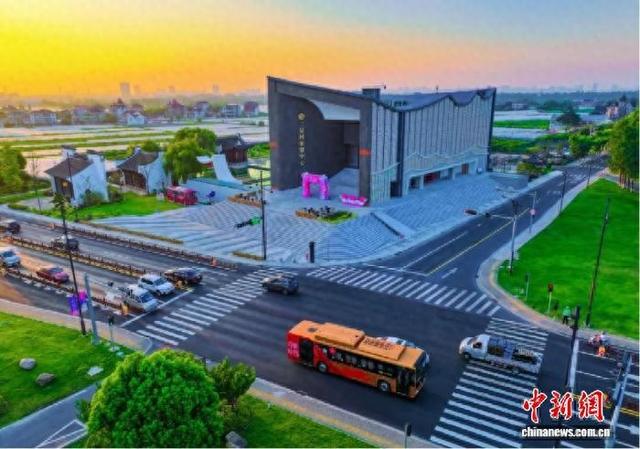
美丽中国、魅力乡村,需要一张好图纸
Jing Ji Guan Cha Bao· 2025-11-04 03:09
Core Insights - The article emphasizes the importance of integrating urban and rural development to bridge the urban-rural gap, which is crucial for rural revitalization in China [1] - It highlights the need for a harmonious relationship between nature and human activities, aiming for a prosperous and beautiful China through sustainable practices [1] Group 1: Importance of Rural Development - Rural areas are vital for preserving traditional culture and natural resources, which are essential for achieving the goal of a beautiful China [2] - The ecological aspect is fundamental to the beauty of rural areas, where environmental pollution contradicts the concept of a beautiful countryside [2] Group 2: Characteristics of Attractive Villages - Attractive villages should possess a beautiful ecological environment, rich cultural heritage, distinctive industries, and comprehensive public services [4] - The ecological environment should be fresh, natural, and harmonious, while cultural resources should reflect the unique charm and depth of rural areas [5][6] Group 3: Planning and Cultural Heritage - Unified planning is essential for organized rural development, preventing chaotic construction and ensuring quality and efficiency [7] - The preservation of local culture is crucial, as it represents the unique charm and valuable resources of rural areas [8] Group 4: Retaining and Attracting Population - The core of attractive villages lies in agriculture, which should be prioritized over tourism, ensuring that rural development is based on local strengths [9] - The Swiss model of rural economy emphasizes the importance of agriculture and unique local products, which can serve as a reference for rural development in China [9] Group 5: Role of Professional Services - Professional services are necessary for creating a comprehensive planning, design, and construction service system for beautiful China and attractive villages [10] - These services can enhance local governance, establish market mechanisms, and facilitate urban-rural integration [11] Group 6: Policy Support and Infrastructure - Strengthening policy support is essential, with government incentives to encourage participation in rural development [13] - Improving rural infrastructure and public services is critical for attracting investment and enhancing the quality of life for residents [13] Group 7: Sustainable Development - The construction of beautiful villages should focus on ecological protection and the promotion of green production methods [14] - Encouraging innovation and local participation in rural development is vital for long-term sustainability and effectiveness [14]
农业大省的乡村振兴探索:以片区建设打造齐鲁样板
经济观察报· 2025-10-14 11:49
Core Viewpoint - Shandong province is recognized as China's leading agricultural province, with a significant mission to create a model for rural revitalization, as emphasized by President Xi Jinping [2][4]. Group 1: Rural Revitalization Strategy - The "Qilu Model" for rural revitalization is being explored through a reform model led by regional planning, with a total of 2,070 areas established across Shandong, covering over 18,000 administrative villages [2][8]. - The "5210N" industrial cluster in Binzhou focuses on five trillion-level industries, two national-level characteristic industry clusters, and ten provincial-level characteristic industry clusters, which are crucial for rural revitalization [4][5]. Group 2: Case Studies and Implementation - The Xiwang provincial rural revitalization model in Wudi County covers 13 villages and has developed a cotton production capacity of 20,000 tons of yarn annually [5]. - The Li Zhuang model in Huimin County integrates the "Internet + rope net" strategy, resulting in 29 Taobao villages and an online transaction volume exceeding 3 billion yuan [5]. Group 3: Challenges and Demographics - Rural areas face significant population outflow, with 91% of surveyed villages experiencing net population loss, highlighting the issue of "hollow villages" [10]. - The aging population in rural areas has increased dramatically, with the elderly population rate rising from 5.82% in 1989 to 19.3% in 2022, nearing the threshold of a super-aged society [11]. Group 4: Recommendations for Future Development - Emphasis on equitable investment in rural areas, focusing on low-income villages, and ensuring that rural construction meets the needs of the local population [12]. - The need for a modernized urban-rural integration development ecosystem is highlighted, addressing the challenges of agricultural labor migration and promoting the integration of urban and rural industries [11].
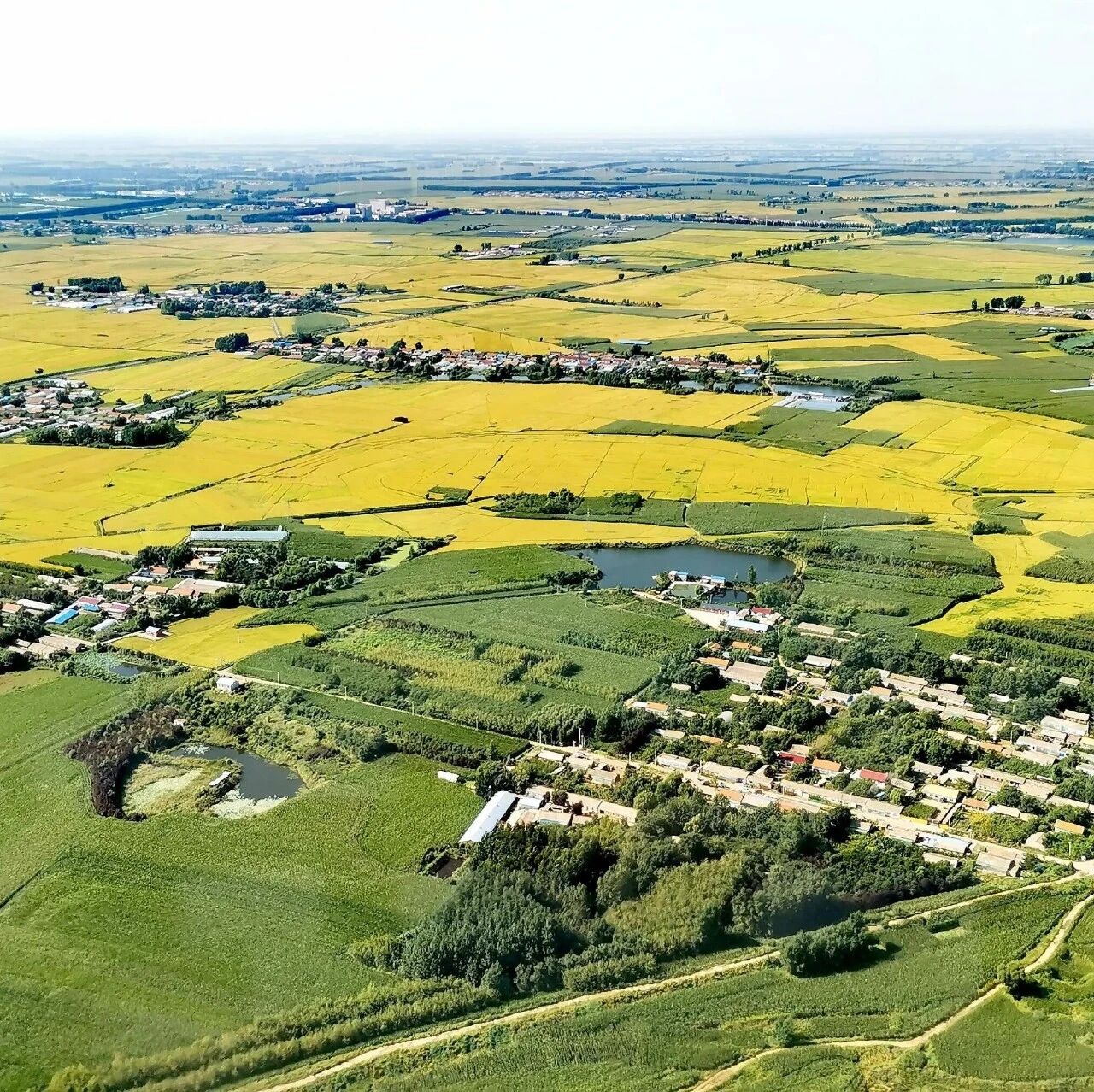
农业大省的乡村振兴探索:以片区建设打造齐鲁样板
Jing Ji Guan Cha Wang· 2025-10-13 10:34
Core Insights - The "Rural Revitalization Qilu Forum 2025" focuses on Shandong's exploration of a reform model led by regional construction to promote comprehensive rural revitalization [1][2] - Shandong, as China's largest agricultural province, is tasked with creating a Qilu model for rural revitalization, with significant expectations from President Xi Jinping [1][5] - The region has established 2,070 construction areas covering over 18,000 administrative villages, reflecting a practical exploration of the directives from the central government [5][6] Group 1: Regional Development and Agricultural Output - In 2024, Binzhou City achieved a grain planting area of 8.911 million acres, with a total grain output of 3.881 billion kilograms, making it the first city in China to surpass 200 billion yuan in grain industry economy [2] - Binzhou's strategy involves grouping adjacent villages with similar industries and cultures for collective development, emphasizing the integration of primary, secondary, and tertiary industries [2][3] - The "5210N" industrial cluster in Binzhou includes five trillion-yuan advantage industries, two national-level characteristic industry clusters, and ten provincial-level characteristic industry clusters [2] Group 2: Case Studies of Successful Implementation - The Xixiaowang provincial rural revitalization area in Wudi County covers 13 villages and 29 square kilometers, involving 12,000 people, focusing on cotton production and industrial capacity [3] - The Lijiang city-level rural revitalization area in Huimin County spans 7.5 square kilometers, covering 15 natural villages and 7,943 people, leveraging the rope net industry with significant e-commerce growth [3] - Binzhou has constructed 83 tiered areas at the provincial, municipal, and county levels, covering over 1,000 villages, showcasing multiple small-scale models of rural revitalization [3] Group 3: Broader Context and Challenges - The aging population in rural areas is significantly higher than in urban areas, with rural aging rates rising from 5.82% in 1989 to 19.3% in 2022, indicating a trend of youth migration to cities [7] - The phenomenon of "hollow villages" is prevalent, with 91% of surveyed villages experiencing net population outflow, highlighting the need for integrated rural development strategies [6][7] - Experts suggest that rural revitalization should focus on equitable resource allocation and community involvement, ensuring that rural development meets the needs of local populations [8]
农民朋友钱包或要“叫苦”?农村将迎4个收费项目,大家做好准备
Sou Hu Cai Jing· 2025-08-30 23:23
Core Viewpoint - The emergence of new fees in rural areas is a response to the increasing demand for improved public services and infrastructure, raising concerns among farmers about their financial burden [1][2]. Summary by Category New Fee Trends - A report from the Rural Development Research Center indicates that various fees have been standardized and implemented in rural areas, covering waste management, water usage, public facility maintenance, and agricultural insurance [2]. Waste Management Fees - Approximately 65% of villages have established waste collection systems, with 42% implementing waste management fees, averaging 15 yuan per household per month. This fee has led to a 35% increase in waste collection coverage and improved sanitation [4][5]. Water Service Fees - The average water service fee in rural areas is about 3-5 yuan per month per household, in addition to water usage fees. This has resulted in a 25% reduction in pipeline leakage and an 18% increase in water quality compliance [6][7]. Public Facility Maintenance Fees - About 38% of villages charge public facility maintenance fees, averaging 180 yuan per household per year. This has improved the condition of public facilities by 45% and extended their lifespan by over 30% [11][12]. Agricultural Insurance Fees - Approximately 52% of farmers participate in agricultural insurance, with costs varying by crop type. The average annual insurance expenditure for a farmer with 10 acres is between 300-600 yuan, providing significant risk mitigation [13][14]. Long-term Perspective - The total of these fees currently accounts for about 1.5% of rural residents' annual income, which is lower than the 3.5% for urban residents. As rural incomes grow at an average rate of 7% per year, the impact of these fees on farmers is expected to diminish over time [17][18].
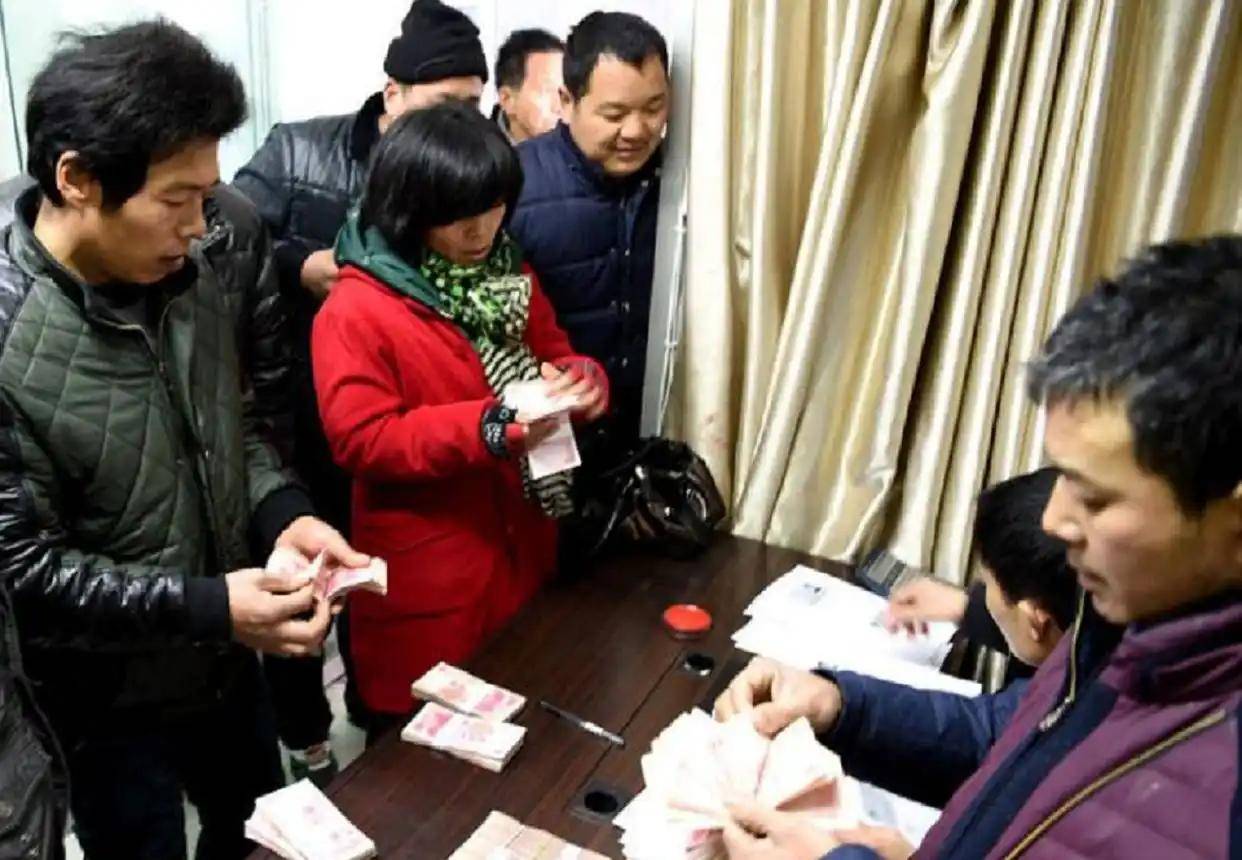
临平:听烽火烙印与产业新城的双重交响
Hang Zhou Ri Bao· 2025-08-28 02:49
Group 1 - The article highlights the historical significance of the "Wuyin Cemetery" in Qiaoshi, which commemorates the tragic events of the Qiaoshi Massacre in 1938, where over 1,360 innocent villagers were killed by Japanese troops [2][3][4] - In 2015, the local government invested in the "Qiaoshi Massacre" comprehensive protection project, which included the restoration of the cemetery and the establishment of a memorial museum, creating a patriotic education base [3][4] - The area has transformed from a site of historical tragedy to a thriving economic hub, particularly known for its garment industry, benefiting from its proximity to Hangzhou and the industrial transfer during the reform era [4][5] Group 2 - Since the 1990s, Qiaoshi has developed into the core area of "Hangzhou Women's Wear," attracting a large influx of migrant workers and fostering a collaborative development environment between local residents and newcomers [4] - In 2021, a comprehensive land remediation and ecological restoration project was initiated to upgrade the local industry and promote urban-rural integration, transforming fragmented industrial land into urban agricultural spaces [4] - The ongoing efforts to revitalize the area reflect a successful blend of remembering historical pain while pursuing economic growth and urban development [5]
大同镇:“德育币”激活基层治理新动能
Hang Zhou Ri Bao· 2025-08-22 03:18
Core Viewpoint - The implementation of "德育币" (Moral Currency) in Datong Town serves as an innovative practice that integrates party building, social assistance, and grassroots governance, enhancing community engagement and support for the elderly and children [1][2] Group 1: "德育币" Implementation - "德育币" is a tangible currency that can be exchanged for daily necessities, with activities such as working in the community garden earning participants 2 coins, delivering meals earning 3 coins, and managing the elderly canteen earning 3-5 coins [1] - Since its launch, over 1,000 exchanges have been completed, benefiting more than 5,000 individuals [1] Group 2: Community Services and Integration - The initiative is supported by a comprehensive service complex in Laocun Village, which includes a market, community service center, elderly care center, health clinic, and a canteen for the elderly [1] - Datong Town focuses on integrating urban and rural resources to provide equal services for vulnerable groups, thereby reducing the urban-rural gap through shared spaces and intergenerational interactions [1][2] Group 3: Future Development and Goals - The town plans to further integrate urban and rural development, promoting equal and convenient services for the elderly and children, and shifting grassroots governance from "one-way assistance" to "mutual governance" [2] - The aim is to extend social assistance from mere material support to include spiritual empowerment, thereby strengthening the social safety net and community harmony [2]
大力发展海洋经济丨市委书记抓乡村振兴(2025.07.07-07.13)
Nan Fang Nong Cun Bao· 2025-07-14 15:31
Group 1 - The article emphasizes the development of the marine economy and rural revitalization as key focuses for various cities [1][6][10] - Cities like Foshan and Shaoguan are enhancing urban and rural integration through environmental improvements and planning [7][22] - Zhanjiang aims to transform its marine industry towards high-end, branded, and green development [10][38] Group 2 - Maoming is working on building a modern marine industry system with four main engines: port manufacturing, fishing economy, marine renewable energy, and coastal tourism [10][46] - Zhaoqing is promoting modern agriculture through industrialization and enhancing the integration of primary, secondary, and tertiary industries [10][51] - Qingyuan is focusing on improving agricultural industry levels and exploring the integration of agriculture, culture, and tourism [10][60] Group 3 - Chaozhou is addressing environmental issues and enhancing the aesthetic quality of urban areas while promoting water tourism [10][66] - Yangjiang is planning to develop tourism projects along the Meiyang River, integrating transportation and cultural elements [10][35] - The overall strategy across these cities includes leveraging local characteristics to drive new urbanization and improve living environments [10][28][54]

持续打造乡村旅游“好风景”
Zhong Guo Jing Ji Wang· 2025-04-23 23:50
Group 1 - The core viewpoint of the articles highlights the significant growth in rural tourism in China, with a total of 707 million visitors and revenue of 412 billion yuan in the first quarter of this year, reflecting an 8.9% and 5.6% year-on-year increase respectively [1] - Rural tourism is increasingly popular as it represents a shift in leisure preferences from crowded tourist spots to natural and authentic experiences, showcasing the effectiveness of urban-rural integration in China [1] - The development of rural tourism is supported by improved infrastructure and services, which enhance the overall visitor experience, making it a more immersive and enjoyable option compared to traditional tourist destinations [1] Group 2 - Effective marketing strategies have played a crucial role in attracting visitors to rural areas, leading to the growth of the rural service industry, job creation, and increased farmer incomes [1] - The articles emphasize the importance of high-quality content and diverse tourism products to retain visitors, suggesting that understanding tourist needs is essential for sustainable development in rural tourism [2] - Recent favorable policies, including the central government's focus on integrating culture and tourism, are expected to inject new momentum into rural tourism, promoting the development of new industries and enhancing the quality of rural tourism offerings [2][3] Group 3 - The articles note that the development of rural tourism requires ongoing investment and effort, with a strong demand for rural experiences expected to continue as consumer preferences evolve [3] - China's rich natural resources and cultural heritage provide a solid foundation for integrating traditional and modern tourism demands, indicating a promising future for rural tourism [3]